

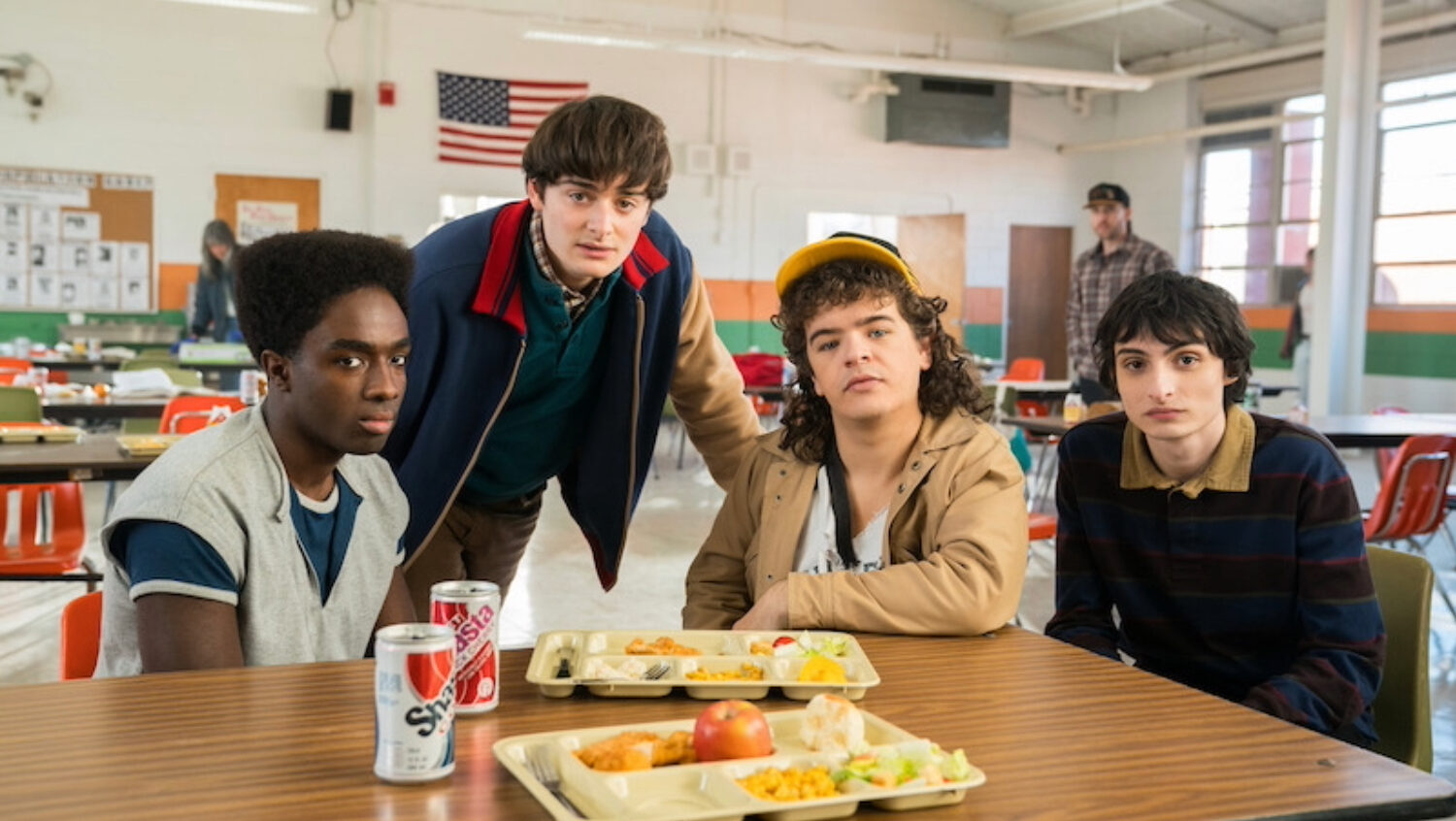
After five seasons and nearly a decade, the show’s ending was always going to carry more weight than one finale could hold. While some moments felt forced, others reminded me why I fell in love with this story in the first place.
Stranger Things has been with us for nearly a decade.
Five seasons, 42 episodes, and a whole generation of kids who grew up on screen while many of us were growing up in our own lives, too. When Season 1 dropped in the summer of 2016, I had just finished undergrad at Michigan State. I remember binging it on my couch — the kids’ awkward-but-funny cursing, the bikes, the flashlights cutting through the woods — and feeling like I was watching something that understood both the wonder of childhood and the terror of leaving it behind.
Much like the kids of Hawkins, I’ve changed a lot since then. And watching this final season, I couldn’t help but think about how much time has passed; not just for the characters, but for the audience that’s been aging alongside them. The series finale closes out that journey while Netflix prepares to release a behind-the-scenes documentary next week about the making of the final season. One last curtain pull on a show that’s meant so much to so many people. After five seasons, this ending was always going to carry a lot of weight.
And honestly? I understand why so many fans are disappointed. I feel that, too. But I also see why the Duffer Brothers clearly wanted to deliver as much emotional closure as possible — even if, at times, that closure felt … forced.
What Worked, and What Didn’t
There were moments this season when the emotional beats felt like they were trying to wrap decades’ worth of character growth into speeches rather than actions. The long monologues. The extended goodbye conversations. The “this is what we’ve learned and who we’ve become” dialogue felt more like theater than storytelling. It exposed the cast in ways that didn’t always feel necessary — not because they aren’t talented, but because the writing sometimes asked them to explain emotion instead of embody it. Earlier seasons trusted the story to carry those feelings. We saw growth through decisions, mistakes, fear, and sacrifice.
In Stranger Things 5, the closure often arrived through conversations that ran a little too long and a little too literally.
The Max and Holly scene is a great example. I loved Holly as a character, genuinely. I would have loved for her arc to start in Season 4 so her presence here felt more deeply rooted in the group’s orbit. But that particular scene felt stretched past its natural limit. Instead of deepening the stakes, it slowed the emotional rhythm of the episode.
But that doesn’t mean there weren’t beautiful moments hiding in those long monologues.

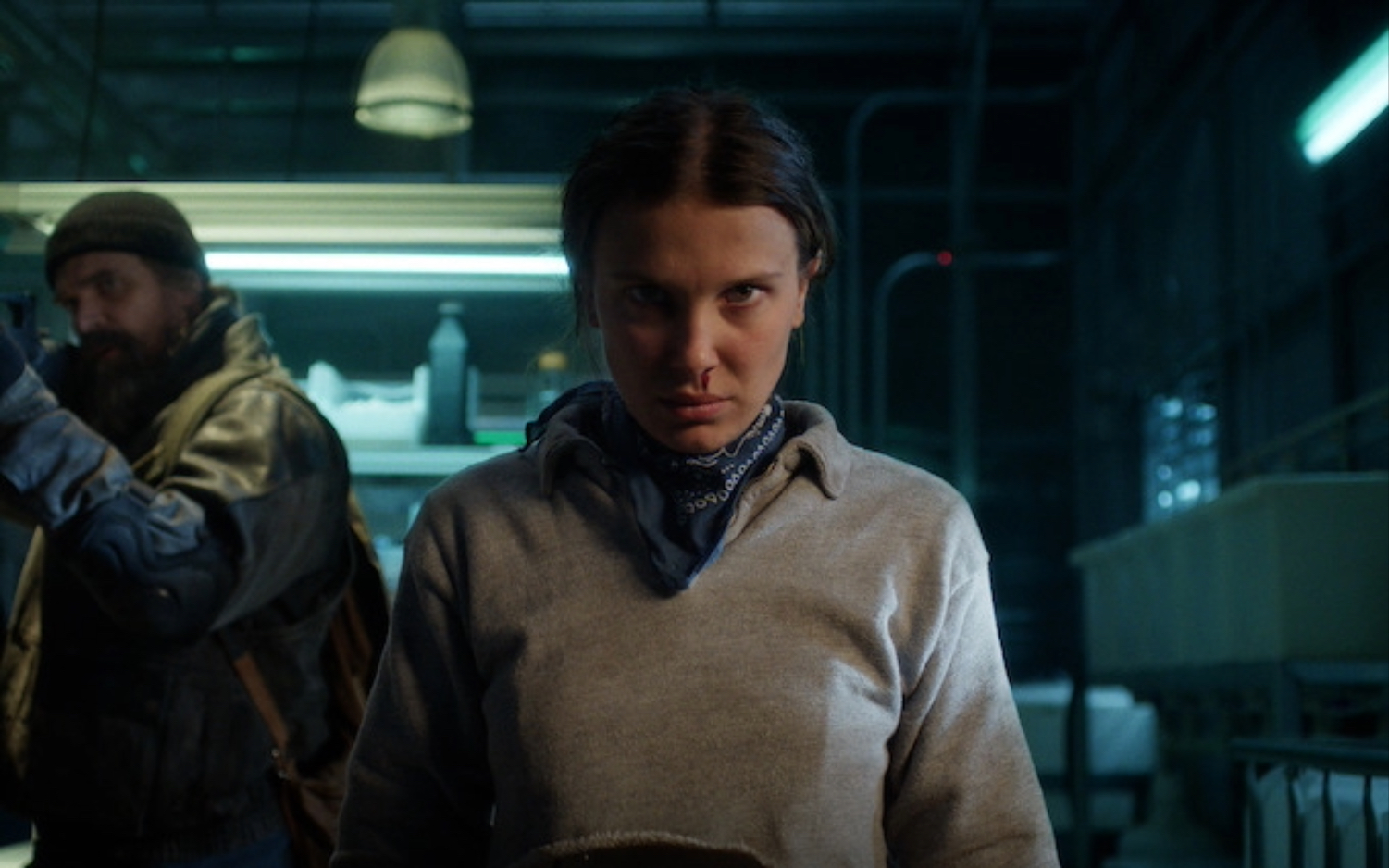
The scene where Eleven rips through the Mind Flayer to face Vecna was stunning, not just visually, but emotionally. It was the moment the entire season had been building toward — the realization, even as a viewer, that all of her training had been leading to this exact choice. That leap wasn’t just about power; it was about acceptance. It echoed the raw courage of Season 1, when her abilities weren’t spectacle but sacrifice, and every use of her power carried a cost. In this scene, you can see fear and resolve living in the same breath, reminding us why we connected with her in the first place: because she was the one most willing to risk herself for everyone else.
Jonathan and Nancy’s breakup scene was another standout — confusing, messy, human in a way that almost worked because it didn’t resolve cleanly. It’s become one of the most talked-about moments on social media, too, with fans debating whether it really counted as a breakup or just a pause, a redefinition, a moment of honest vulnerability between two people who care about each other but aren’t quite in the same headspace anymore. The conversation got so loud that even the Duffer Brothers weighed in to clarify what they meant, which says a lot about how deeply viewers connected to these characters. Some fans saw heartbreak in every beat; others saw relief, growth, or just two people who were no longer willing to carry each other. That ambiguity, frustrating as it is, was precisely what made it feel real. Life doesn’t always give us clear endings, and for a show that started as a love letter to emotional truth beneath the fantasy, that messy honesty felt like a fitting, if difficult, goodbye.
Max and Lucas being endgame was the love story I realized I always needed from this show early on. Through all the chaos, trauma, and near-losses they’ve endured, their relationship has always felt grounded in something tender and honest; two kids who grew up fast, but still found their way back to each other. I’m genuinely grateful the Duffers let that thread land where it did. Big thank you for that one; it was one of the few closures that felt necessary.

But as a whole, the rawness that first drew us into this world — the shaky breaths, the fear tucked behind bravado, the kids reacting like kids rather than heroes — didn’t fully carry through Season 5. In the early years, so much of the emotion felt instinctive and unfiltered. Someone made a bad decision, or froze up, or panicked, and the stakes came through their actions rather than their explanations. Somewhere along the way, that shifted. The show started reaching more deliberately for emotional significance — big speeches, reflective monologues, tidy statements about growth and closure — and you could feel that shift in tone.
That’s not necessarily a bad thing; it just felt different. Instead of discovering feelings in the moment, the characters were often telling us about them. And sometimes, you could feel the intention more than the emotion — like the show wanted to make sure we understood what a moment meant before we had a chance to sit in it on our own. This approach created a bit of distance from the raw, instinctive storytelling that made those early seasons feel so alive.
No Perfect Ending
I genuinely don’t think there was any version of this finale that would have satisfied the majority. I’ve seen the debates, the theories, and the rewrites floating around online. And I’ve asked myself the same question: What could have gone differently?
There’s an argument — one I partly agree with — that there isn’t a world where Eleven survives, stays present, and the rest of the group moves on with their lives. That reality doesn’t quite align with the trauma, responsibility, and mythology that have been built over five seasons. And instead of fully committing to one direction, the finale sometimes felt like it wanted to suggest a definitive outcome without actually stating it. Mike’s story during that final Dungeons and Dragons game, insisting Eleven was still alive and in hiding, almost felt like the show trying to have it both ways.
I usually love it when storytellers leave things open for interpretation. But in a series this emotionally loaded, a little certainty can be grounding. It can make the goodbye feel intentional rather than tentative.
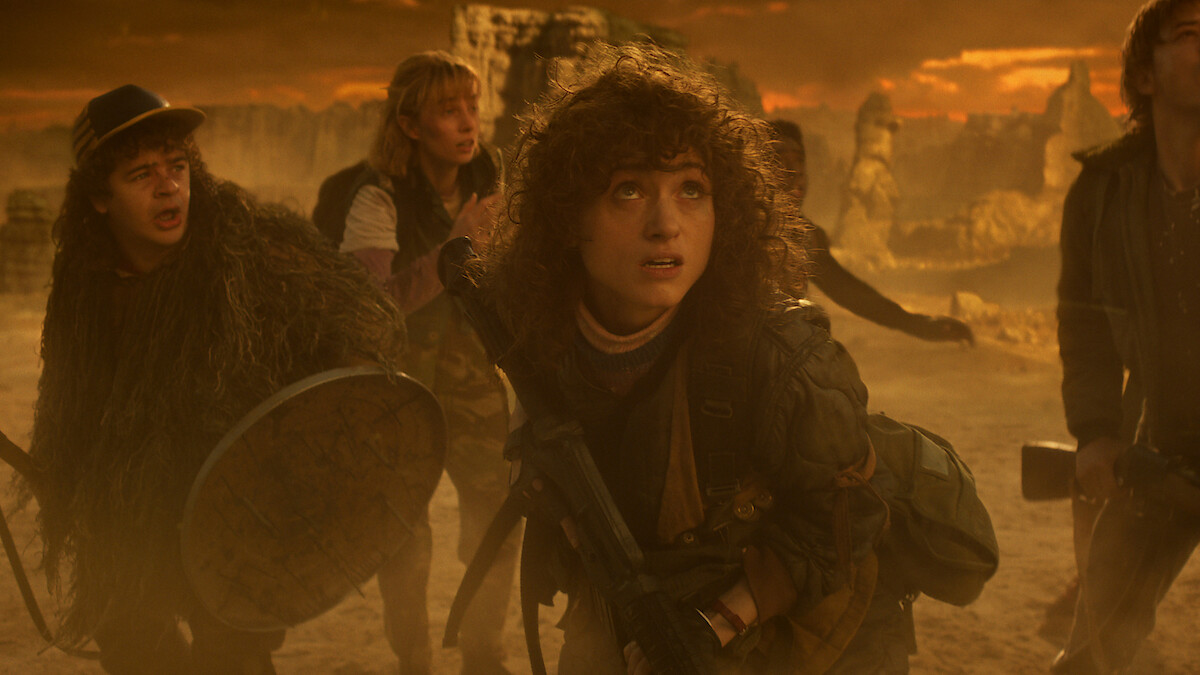
Which turns my attention back to the final battle.
It actually reminded me a lot of that fateful Game of Thrones episode where the Night King is defeated in a single night — even though the entire series had been building toward that moment from the very beginning. “Winter is coming” was the show’s identity for years, this looming promise that everything was leading to one inevitable, catastrophic showdown. And when it finally arrived, a lot of fans felt underwhelmed, not necessarily because the episode itself was bad, but because the weight of expectation had been growing for so long that no single hour of television could really hold it.
I felt a similar tension here. Stranger Things did something in that same creative space — so much anticipation, so much emotional and narrative buildup — all culminating in one concentrated final battle. On the surface, it can feel compressed or rushed, but when you step back, you realize this conflict has actually been unfolding for seasons. The tension, the fractures in friendships, the trauma everyone’s been carrying; all of that has been part of the battle long before the literal fight shows up on screen.
And honestly, I don’t think there was an iteration of this ending that wouldn’t have sparked criticism. When a show builds toward a single confrontation for years, we start imagining our own versions of how it should play out, from how long it should last, how devastating it should feel, who should survive, and what kind of emotional closure it should give us. But we rarely stop to ask whether any one scene, or even one episode, could live up to what we’ve been carrying in our heads.
So was the final showdown rushed? Maybe, if you’re looking at it purely as a last-episode event. But was it also inevitable? Yes, because in a lot of ways, the real battle had already been happening across the entire season, and really across the entire series. The final blaze of action was just the moment when everything we’d been watching finally collided at once.
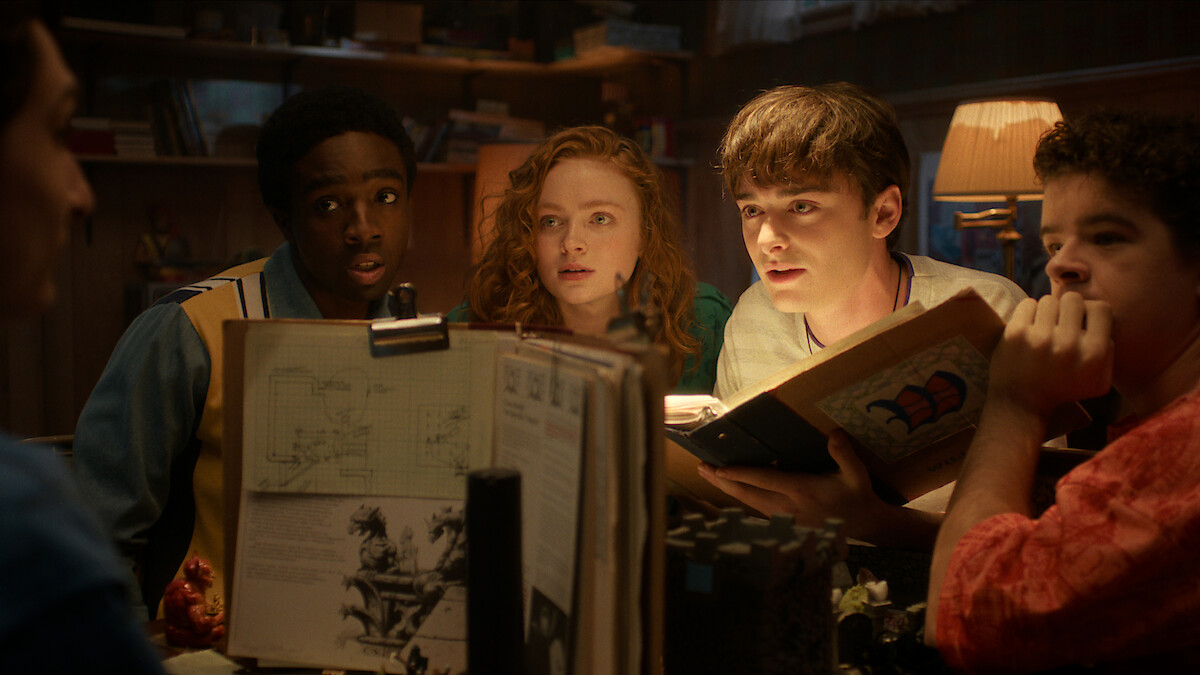
I also didn’t expect the show to end with the kids graduating and playing D&D again, but I’ll admit that moment worked for me. It felt small in a good way. Grounded. A reminder that this story started with friendship, imagination, and a basement table.
Even if the road to that moment wasn’t perfect.
Final Credits
In the end, what I’ll miss most about Stranger Things isn’t the monsters or the nostalgia or even the mythology. It’s that feeling from earlier seasons that these characters were discovering themselves in real time, not reciting the lessons they were supposed to have learned. By Season 5, that honesty sometimes gave way to sentiment. And while I understand why the Duffers reached for emotional closure, I wish more of it had come from action rather than explanation.
Still, after nearly a decade with these characters, it’s hard not to feel something about saying goodbye. And maybe that’s the real legacy of this show: Even when the ending doesn’t land perfectly, the journey still matters.
I’ll be watching the behind-the-scenes documentary next week because I’m curious about the creative chaos and humanity that shaped this final chapter. After all these years, I’m still invested in how the world of Hawkins came together and how it finally let go.
Read More:

Red Hook Tavern: Where Billy Durney Wants to Know Your Name
Keanu Reeves’ Next Act Is Built on Two Wheels

The Blueprint: Jessica Holtz Meets the Moment

The Power Broker: Emma Grede Is Just Getting Going

Quiet Power: Imani Ellis on CultureCon, Creators, and Learning to Let Go