

The Knicks star guard left $113 million on the table. That decision brought OG Anunoby, Mikal Bridges, Karl-Anthony Towns, and, potentially, an NBA title to New York.
Let’s get one thing out of the way out the way: Jalen Brunson is probably not the greatest New York Knick of all time. After all, Walt Frazier once ran one of the most exciting brands of basketball the city has ever seen en route to an NBA championship, while Patrick Ewing patrolled the paint at Madison Square Garden for 15 seasons, making the All-Star team in 11 of them. Not to mention other players like Bernard King, who would maybe top this list if not for a career cut short by injury, and Willis Reed, who claimed a league MVP award and was named the Finals MVP for both of New York’s titles.
The history is long, and the list is real. Brunson isn’t at the top of it, and he may never be. But here’s the thing: He might be the most valuable Knick ever. And the difference between those two things matters more than most people stop to think about.
The backdrop makes this conversation even more urgent. The Knicks just swept the Cleveland Cavaliers to reach the NBA Finals for the first time since 1999. Let that sink in. This doesn’t happen, however, without what Brunson did in July 2024, when he did something that almost never happens in professional sports: He left money on the table, and not a little bit of money — $113 million. He was eligible for a five-year, $269 million maximum deal that summer. Instead, he signed a four-year, $156 million extension, giving the Knicks a discount that the league hadn’t seen from a player of his caliber in recent memory.
He didn’t have to do it. He was an All-NBA player coming off a season where he averaged 28.7 points and 6.7 assists, finished top five in MVP voting, and single-handedly dragged the Knicks to relevance for the first time in a generation. The max was his. He walked away from it anyway.
Why? Because he understood something that most players in his position don’t, or won’t. He wanted to give the Knicks the financial flexibility they’d need to actually build a championship roster around him. That’s not a talking point; that’s a calculated decision to prioritize winning over earning, which in the NBA in 2024 is about as rare as it sounds.
And here’s the part that gets lost in the contract conversation. He didn’t just sacrifice financially; he backed it up every single time the lights got brightest. In the 2024 playoffs, Brunson averaged 32.4 points and 7.5 assists per game, carrying a short-handed Knicks team further than anyone had a right to expect. This postseason, he hit a go-ahead three with 4.3 seconds left in Game 6 against Detroit to send New York to the second round, because of course he did. He just won the Eastern Conference Finals MVP after leading the Knicks past Cleveland, and over the course of his Knicks playoff career, he has averaged 25.6 points and 5.6 assists across 81 postseason games.
The contract tells one story. The clutch gene tells another. Together, they make the full picture of what Brunson actually is — a player who delivers when it counts and asks for nothing extra in return.
But circling back to Brunson’s contract decision, because that’s where the whole thing starts, look at what that decision made possible.
First came OG Anunoby, locked up on a five-year extension before the ink on Brunson’s deal was even dry. Then came Mikal Bridges, acquired from Brooklyn in one of the most aggressive trades in franchise history — six first-round picks and multiple other assets sent to the Nets for a player the Knicks could actually afford to keep because of what Brunson gave up. And then, the crown jewel: Karl-Anthony Towns, acquired in a blockbuster three-team trade, giving Brunson a legitimate co-star and the Knicks a frontcourt they hadn’t had since the Ewing era. None of that happens without the cap space that Brunson’s discount created.
Think about that for a second. One player’s willingness to sacrifice gave his front office the runway to build an entirely different team. The nine-figure discount helped New York keep a core together that features two of Brunson’s college teammates, a level of continuity that contenders usually have to spend a decade assembling. The Knicks assembled it in two offseasons. Brunson is the reason why.
Now, it’s not a perfect story. Nothing in New York ever is. Brunson has already made clear that he expects the organization to return the favor when his contract comes up, telling Vanity Fair, “Obviously, we’d love for them to do right by me. I feel like I sacrificed.” And he’s not wrong to say it. When his deal expires, he’ll be eligible for a four-year, $323 million extension in 2028 or a five-year, $418 million deal in 2029, numbers that will make the current conversation about his contract look quaint.
The bill is coming. The Knicks better be ready to pay it.
But here’s where it stands right now. The Knicks are going to the NBA Finals for the first time since 1999. They have a starting five that can legitimately compete with anyone in the league. They have a homegrown identity in a city that had forgotten what that felt like. And they have a point guard who is 29 years old, still ascending, and still operating with a team-first mentality that the entire roster feeds off of every single night.
Frazier has the rings. Ewing has the legend. King has the scoring title. Those guys are in the conversation for the greatest Knicks of all time, and they should be. But when the history of this era is written, when people look back at how the Knicks went from near irrelevance to a legitimate championship contender, it’s going to start with one decision made by one player who decided that winning mattered more than the money.
That’s Jalen Brunson. And in a city that has been waiting 50 years for a reason to believe, that might be worth more than any ring that came before it.
Read More:
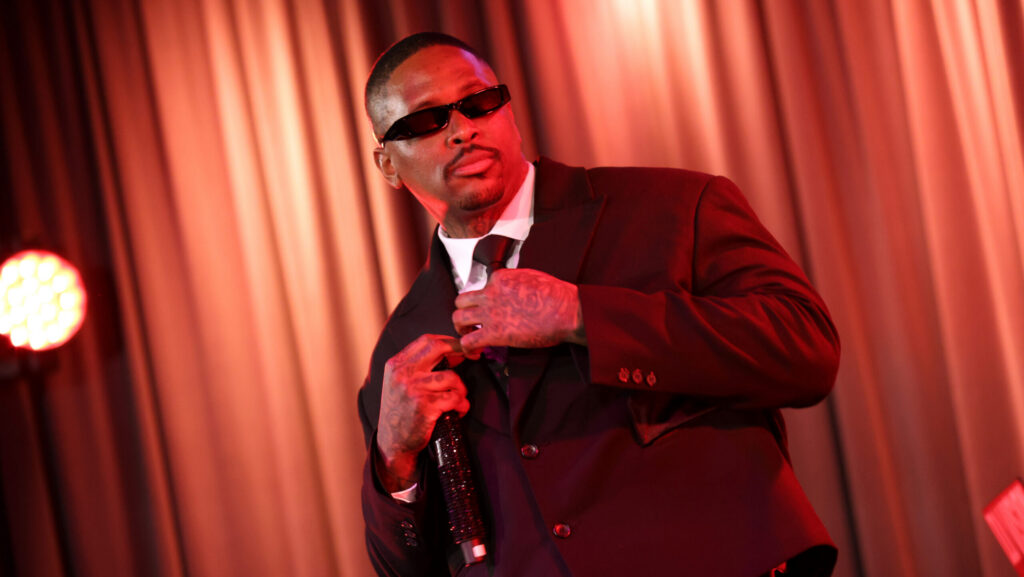
YG on Making ‘My Krazy Life’, His West Coast Legacy, & Reinventing Himself
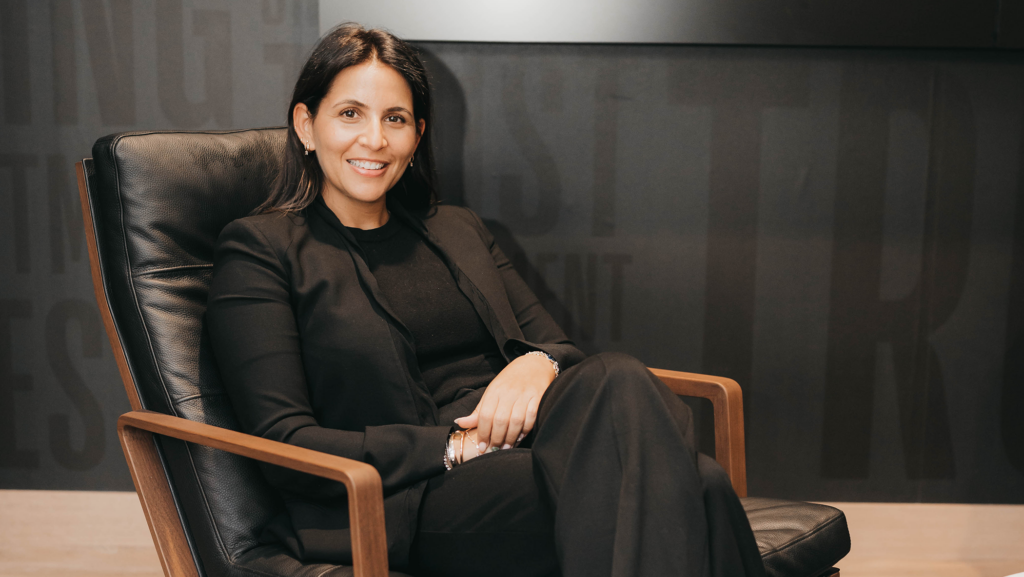
There Is No Offseason: KLUTCH Sports Group COO Fara Leff on Commanding the Sports Calendar
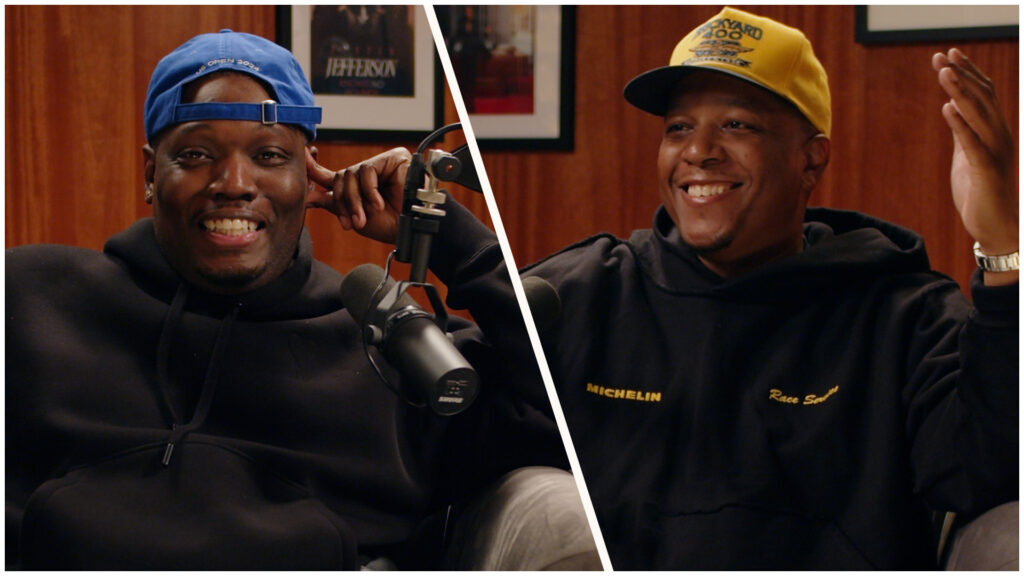
Michael Che Opens Up About SNL, Kanye, Colin Jost, Cancel Culture, & Comedy
Red Hook Tavern: Where Billy Durney Wants to Know Your Name
Keanu Reeves’ Next Act Is Built on Two Wheels