


As The Fugees’ frontman prepares to return to music with new solo albums, he takes us back to the making of the album that changed his life.
Thirty years ago, a Preacher’s son from Haiti and a few of his very talented friends released one of the most important albums of all time. At the time, the group, which changed its name from the Tranzlator Crew to The Fugees once they were signed to Ruffhouse Records, had its back against the wall after the disappointing performance of its debut album, Blunted on Reality. The label gave the members $150,000 and told them they had one more chance to make something pop, or they were going to get dropped. With that, Wyclef Jean, Lauryn Hill, and Pras Michel bought as much equipment as they could afford, locked themselves in Jean’s uncle’s basement, and transmogrified their hope, desperation, love, and experience into their sophomore album, The Score.
That album, as you likely now know, made a dent in pop music, selling over 20 million records and turning the trio into global superstars. Released on the same day as 2Pac’s diamond-selling All Eyez On Me, The Score’s mix of thoughtful but rugged rap, slick sample-based production, and indelible hooks hit the game like a meteor. Singles like “Fu-Gee-La,” “Ready or Not,” and the legendary Roberta Flack cover “Killing Me Softly,” showcased the group’s breadth of talent and capabilities.
They could seemingly do it all — rap, sing, play instruments, chop samples. The game had never seen anything like it.
But the real feat of The Score — at least to this journalist — is the fine, tightrope performance the members displayed. It may be tough to imagine now, with rap largely remade in the image of Drake, but back in the ’90s, rappers didn’t sing. If a rap song needed a hook sung for broader appeal or a shot at radio, an R&B or pop singer would be brought in to handle those duties. The Fugees bucked that trend 30 years ago, with ‘Clef and Lauryn both trading bars and runs with relative ease.
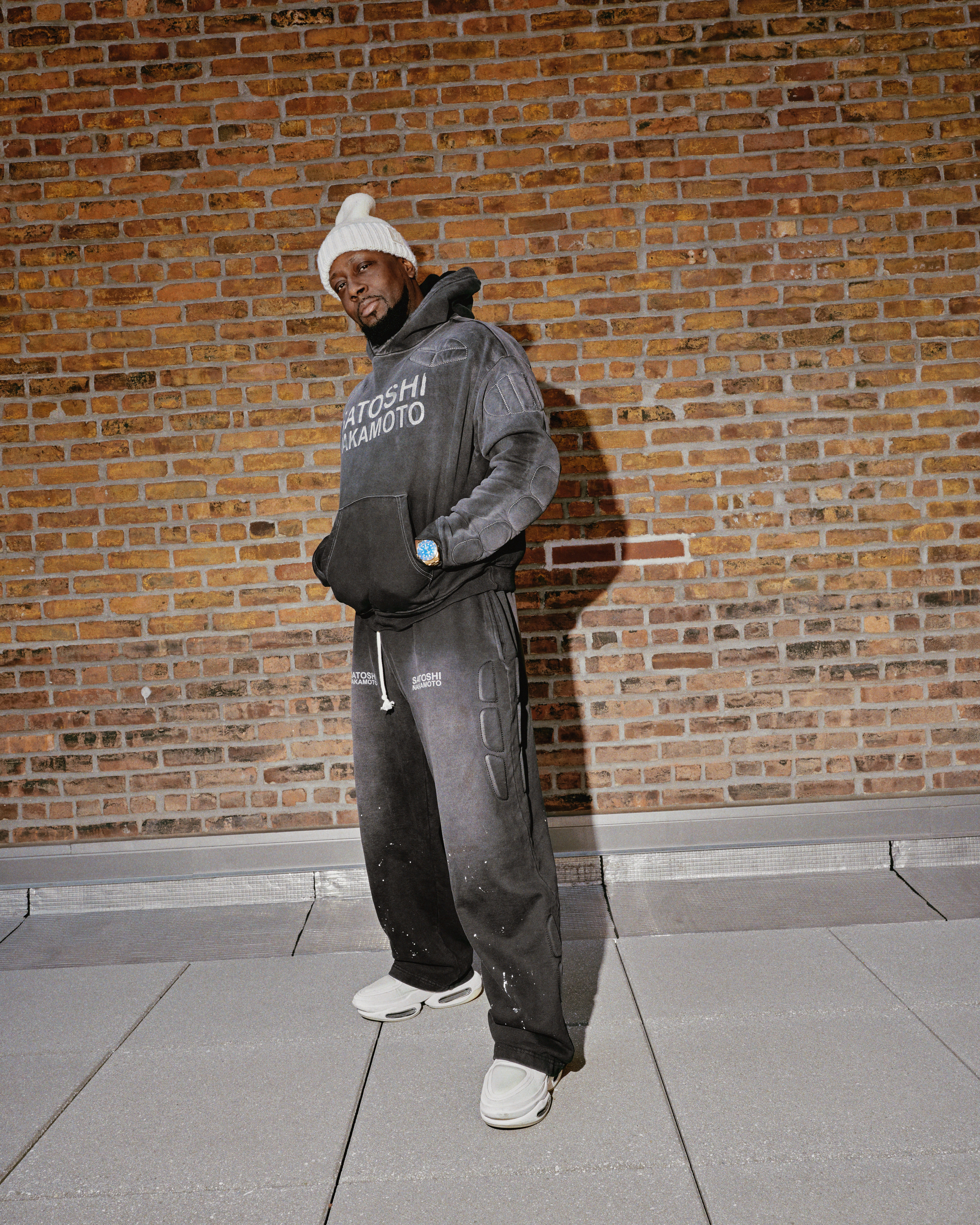
Another trend they ignored back in the day was the idea that, in order to rap about street shit, a rapper needed to either be freshly out of the streets or still have one foot firmly planted on the block. The Fugees instead embodied an identity that didn’t really take hold until a young man from Chicago by the name of Kanye West brought thought with his pink polos, Louis Vuitton backpack, and Roc-a-Fella chain. They showed that being a mainstream rapper didn’t mean trading on the gangster tropes that were popular at the time.
To find out if that positioning was deliberate, we sit down with Wyclef Jean for this episode of On Record to talk about how The Score came together, how it set him up to make his own solo project, what Michael Jackson told him, and why he doesn’t fear the future of AI.
Read More:
Michael Che Opens Up About SNL, Kanye, Colin Jost, Cancel Culture, & Comedy

Red Hook Tavern: Where Billy Durney Wants to Know Your Name
Keanu Reeves’ Next Act Is Built on Two Wheels

The Blueprint: Jessica Holtz Meets the Moment
The Power Broker: Emma Grede Is Just Getting Going