
Osaka hosted an intimate French Open dinner celebrating Black players in tennis, bringing them together to foster community, representation, and connection beyond the court.
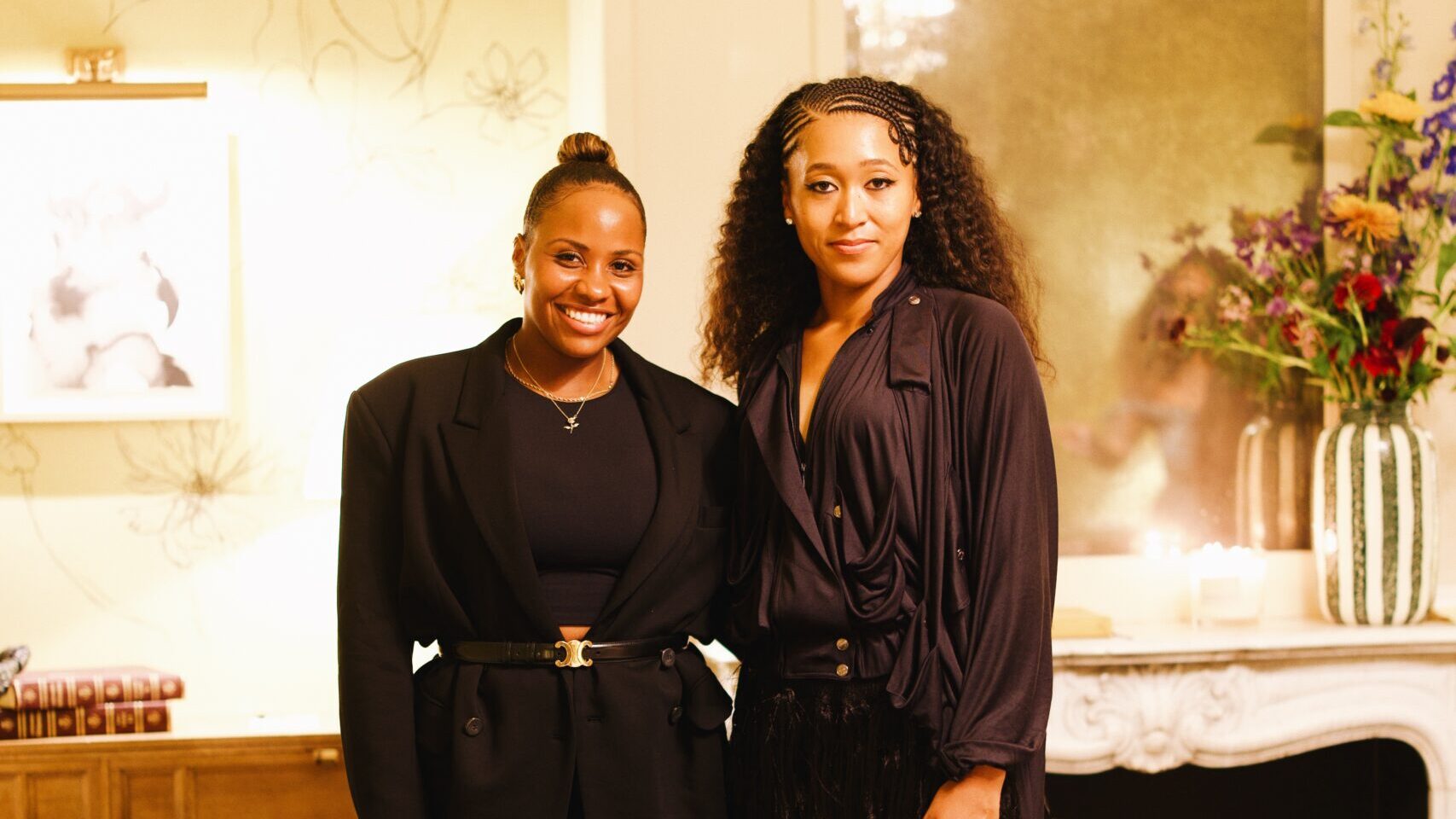
As Naomi Osaka prepares for another run at Roland Garros, the four-time Grand Slam champion is also using her platform to create space away from the court. This week in France, Osaka and two-time Grand Slam doubles champion Taylor Townsend hosted an intimate private dinner celebrating Black players in tennis, bringing together a small group of players and influential figures connected to the sport and its surrounding culture.
The gathering, formally named The Black Party (Roland Garros “RG” Edition) and hosted at Soho House Paris in partnership with CCG Social, was more than just a social gathering during one of tennis’ busiest weeks; it also served as an opportunity to foster deeper community among Black athletes navigating a sport where representation has historically been limited at the highest levels.

The dinner reflects a broader shift in how today’s athletes are building influence beyond competition itself. Osaka, long recognized as one of the most powerful figures in women’s sports, has consistently used her visibility to spotlight conversations around identity, mental health, and inclusion. This latest effort extends that philosophy directly into the tennis world, centering on connection and shared experience during one of the sport’s most global events. Said Osaka at the event, “To be a minority in a sport like tennis makes most days feel really isolated, but when I see other players that look like me, I feel a sense of fellowship that cannot be described.”
Attendees included French tennis icon Gael Monfils, American breakout Coco Gauff, retired star Chris Eubanks, and doubles player Asia Muhammad.
The event also arrives at a moment when fans have increasingly gravitated toward the off-court relationships shaping women’s tennis. Osaka’s openness has resonated with audiences looking for more authentic insight into player dynamics beyond match days and press conferences, and her friendship with Townsend has captivated fans. Townsend, who co-hosted the evening, said of the event, “It’s important for us to come together because this sport is naturally very isolating and selfish. I feel like it’s important to break that mold, support each other outside of the sport and away from the courts, and build genuine friendships that last beyond the court.”

The dinner also underscores the evolving role athletes now play as cultural architects inside their respective sports. Increasingly, players are creating their own spaces, platforms, and moments independent of leagues or governing bodies, especially around issues tied to identity and representation. For Osaka, whose career has often existed at the intersection of sport, fashion, activism, and entertainment, the gathering feels like a natural extension of that larger trajectory. “I’ve been wanting to do something like this for a while, but never imagined that it would be possible at this scale,” she said. “I’m so grateful for everyone who was able to come and for the friends I made along the way. We’re definitely excited to bring this to the next Slams on the tour, especially the US Open in New York, and expanding the guest list to include black professionals from behind the scenes in tennis.”
As Roland Garros gets underway, the event offered a quieter but meaningful reminder that some of the sport’s most important conversations are happening far from the baseline.
Read More:
There Is No Offseason: KLUTCH Sports Group COO Fara Leff on Commanding the Sports Calendar
Michael Che Opens Up About SNL, Kanye, Colin Jost, Cancel Culture, & Comedy

Red Hook Tavern: Where Billy Durney Wants to Know Your Name
Keanu Reeves’ Next Act Is Built on Two Wheels

The Blueprint: Jessica Holtz Meets the Moment