
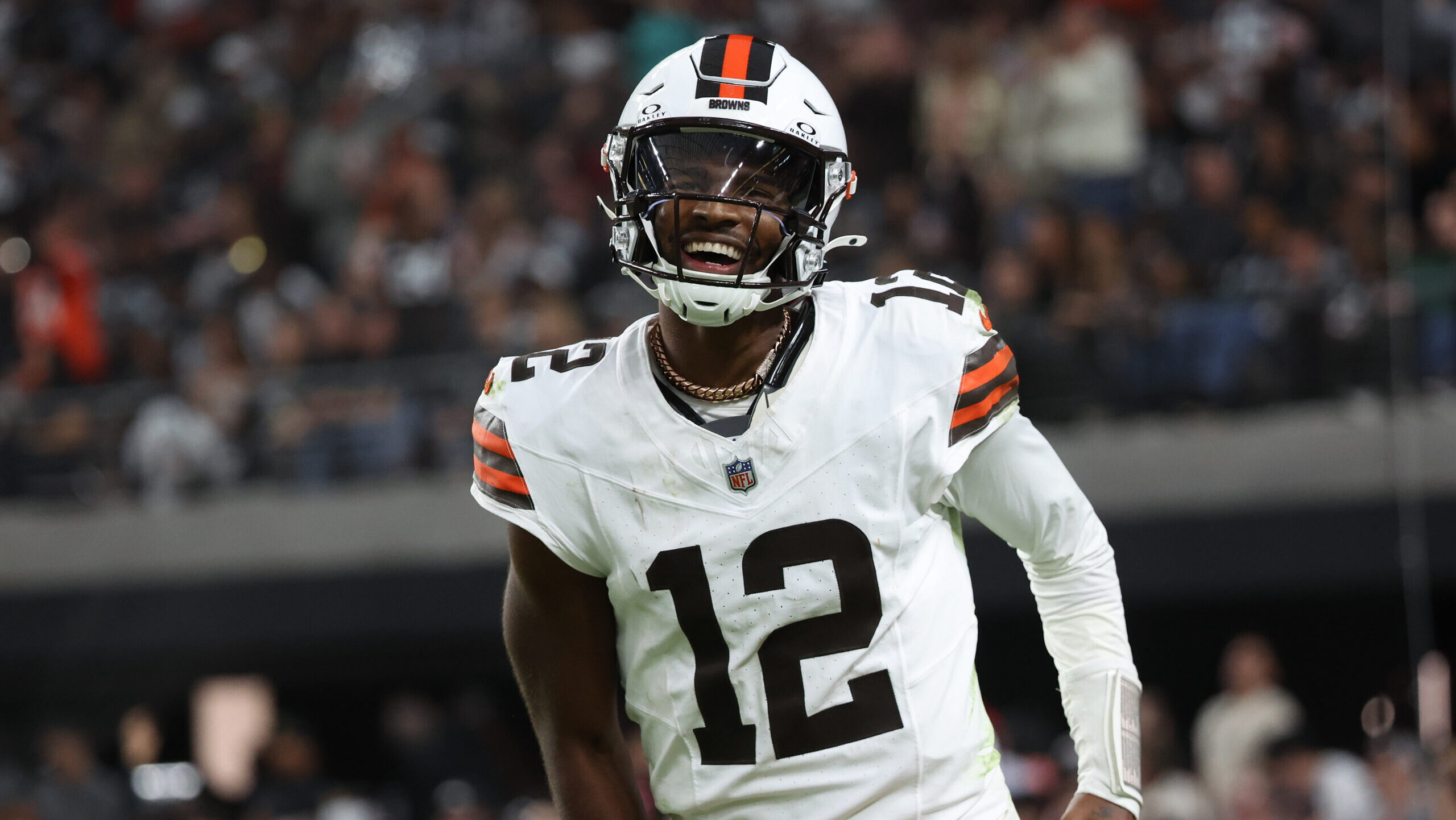
Sanders set an NFLPA licensing record for group marketing revenue as a fifth-round rookie, surpassing Brady and highlighting a major gap between draft valuation and fan-driven market demand.
The NFL Draft is supposed to be the moment a player’s value gets defined. The round you go in, the team that calls your name, the contract that follows — that’s how the league has always measured worth. By that math, Shedeur Sanders should have been humbled last year. He didn’t go in the first round, or the second, or the third. He slid all the way to the fifth round, 144th overall, before the Cleveland Browns finally made the call. It was one of the more stunning falls in recent draft history, and plenty of people spent the weekend talking about what it meant for his future.
The market had a different opinion.
According to the NFLPA‘s LM-2 federal filing, Sanders — operating through his LLC, SS2 Legendary — received $17,712,015 in royalties and player marketing income between May 2025 and February 2026. That number didn’t just lead the league; it shattered the all-time record. The previous mark was held by none other than seven-time Super Bowl champion Tom Brady, who earned $9.5 million during the 2021-22 season. Sanders didn’t just beat it; he nearly doubled it. As a rookie. Drafted in the fifth round. Before he’d taken a meaningful regular season snap.
Let that sink in for a second.

The money comes from group licensing, deals involving six or more players that cover jerseys, trading cards, video games, collectibles, and player marketing appearances. This isn’t individual endorsement territory. This is the baseline, pool-level licensing that every player in the league participates in, and Sanders lapped the field so thoroughly that the comparison to anyone else in 2025 is almost laughable. The player who led this metric the previous season was J.J. McCarthy, who earned $4 million. Sanders made more than four times that. The single largest check he received — $9.2 million — landed just days after the draft. While the discourse was still focused on his fall, the people buying jerseys and trading cards had already made their position clear.
Now here’s the number that makes all of this truly remarkable. Sanders signed a four-year rookie deal worth approximately $4.6 million, meaning his licensing income alone was nearly four times his entire playing contract. The team that drafted him in the fifth round is paying him just over a million dollars a year. The fans who followed him from Jackson State to Colorado to Cleveland paid him $17.7 million in merchandise revenue before he started a single game.
It’s worth understanding what this actually reflects. Brady’s record was built on two decades of championships, seven rings, and a brand that transcended the sport. He is arguably the most decorated player in NFL history, and his licensing earnings peaked at $9.5 million. Sanders built his on something different — a fanbase that is fiercely, almost defiantly, loyal. The kind of loyalty that followed him from HBCU football to the Big 12 to the pros and bought everything along the way regardless of what the draft analysts were saying. His Colorado teammate, Travis Hunter, wasn’t far behind, earning $12.8 million in licensing income, a number that would have set the record in any other year.
The on-field story is still being written. Sanders didn’t get his first start until Week 12, a 24-10 win over the Raiders, and finished the season with 1,400 yards, seven touchdowns, and 10 interceptions across seven starts. A stepping stone for a fifth-round rookie finding his footing late in a lost season; not yet the numbers that justify the hype on their own. He heads into 2026 still competing for the starting job in Cleveland, attempting to prove that the brand and the player are one and the same.
But here’s what the NFLPA filing makes undeniable. The question was never whether people wanted Shedeur Sanders. The question was whether the NFL was ready for him. Thirty-two teams passed on him — some of them multiple times — while the people who actually spend money on this sport were buying his jersey faster than any player in league history. That disconnect between front office evaluation and market demand is the story of his entire draft experience, and the licensing numbers are the receipts.
Brady got his record by winning everything. Sanders got his by making people believe he would. The open question now is whether the on-field performance catches up to the marketing reality. If it does, this number is just the beginning. If it doesn’t, it becomes one of the most fascinating footnotes in the history of NFL commerce, a fifth-round pick who out-earned a legend before he ever really got started.
Either way, the market already voted. It just did it with a credit card instead of a draft pick.
Read More:
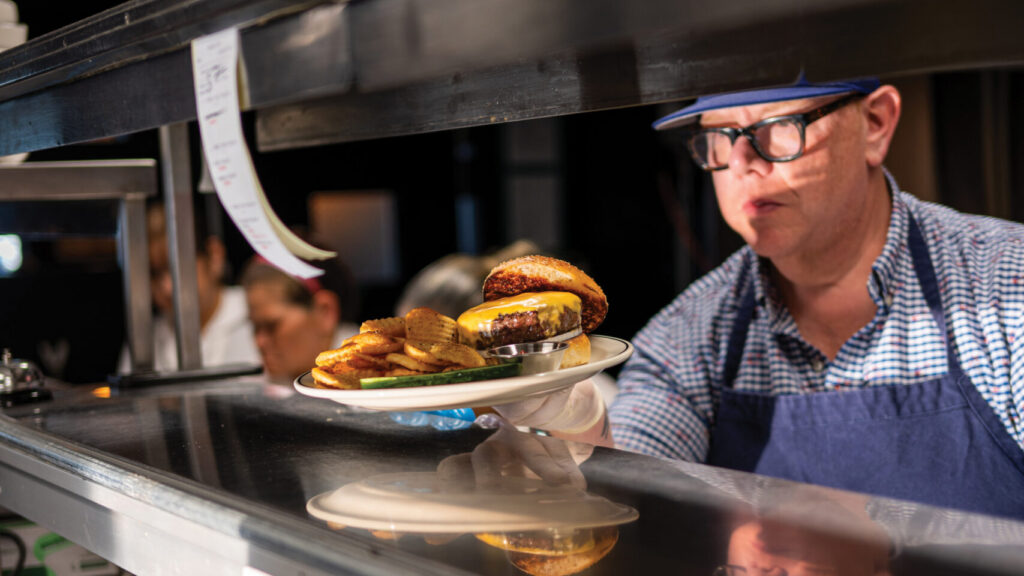
Red Hook Tavern: Where Billy Durney Wants to Know Your Name
Keanu Reeves’ Next Act Is Built on Two Wheels

The Blueprint: Jessica Holtz Meets the Moment
The Power Broker: Emma Grede Is Just Getting Going

Quiet Power: Imani Ellis on CultureCon, Creators, and Learning to Let Go