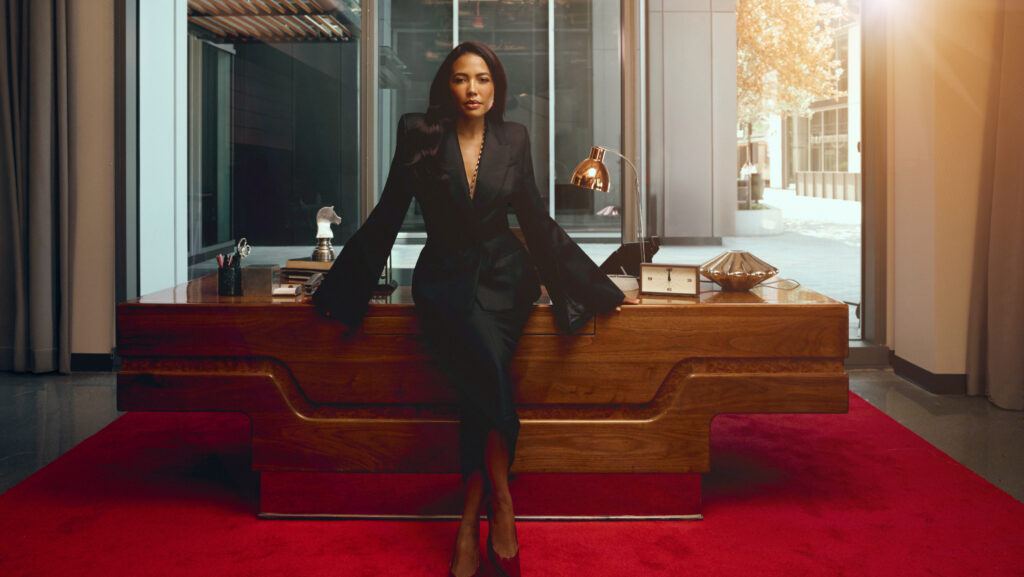


Jones joins Boardroom Talks to discuss Jay-Z, Paper Planes, Puma, Nipsey Hussle, and the mindset that helped shape his journey from small-town Maryland to culture architect.
There are people who build brands, and then there are people who build culture.
For decades, Emory Jones has quietly operated as the connective tissue between music, fashion, sports, and business — a trusted voice in rooms that shaped some of the biggest cultural movements of the last 25 years. But if you ask him, none of it started with status. It started with survival, instinct, and learning how to move with intention.
“Life to me is team sports,” Jones said during the most recent episode of Boardroom Talks. “The only thing I can do is be the best Emory walking into every room.”
That mindset has guided Jones from Cambridge, Maryland — a small Eastern Shore town with fewer than 15,000 people — to becoming one of the most respected cultural architects in entertainment. Long before the executive titles, the Puma collaborations, or the Paper Planes crowns became staples in fashion circles, Jones was simply trying to figure out how to navigate the world around him.
“You got to pace yourself,” he said. “Most people don’t walk in the room with the same mindset. So I had to learn how to think for the next person while I’m moving.”
That patience became central to everything Jones built. Whether it was his longtime relationship with Jay-Z, helping shape the identity of Paper Planes, or advising brands on how to authentically connect with culture, Jones always moved deliberately; never chasing moments, but understanding them before everyone else did.
Fashion became his first language.
“To me, it’s three universal languages in the world: music, sports, and fashion,” Jones explained. “I’ve always used fashion as my communicator.”
But for Jones, style was never about logos or luxury for luxury’s sake. It was about presentation, energy, and feeling. Long before “personal brand” became corporate vocabulary, Jones understood the power of walking into a room with intention.
“When people see you, they already feel something before you say anything,” he said.

That philosophy would later become foundational to Paper Planes, the lifestyle brand Jones co-founded alongside Jay-Z and the Roc Nation team. What started as an idea rooted in dreaming bigger eventually evolved into one of the most recognizable symbols in streetwear culture.
“Paper Planes was about dreaming,” Jones said. “You could make one anywhere and mentally fly away.”
The brand’s now-iconic crown logo wasn’t just a fashion statement; it was a symbol of aspiration and self-worth. Jones recalled intentionally limiting access to the brand’s early hats, turning them into cultural currency before they ever became commercially widespread.
“We could’ve sold a million hats,” he said. “But we wanted people to feel important wearing it.”
That same ability to understand culture before the market catches up also defined Jones’ work with Puma. Initially brought into conversations around collaborations and creative strategy, Jones quickly became one of the company’s most influential behind-the-scenes voices.
He famously pushed Puma to partner with Solange Knowles early on, recognizing that influence starts with tastemakers long before mass adoption follows.
“Everybody you want is watching what she’s wearing,” Jones recalled telling executives at the time.
Jones later helped facilitate Puma’s relationship with Nipsey Hussle, whom he described as one of the smartest and most intentional people he had ever met.
“He understood partnerships,” Jones said. “He moved with pace.”
That word — pace — comes up constantly when Jones talks about success. After serving a 10-year prison sentence earlier in life, he returned home determined not to rush anything again. Instead, he adopted a long-view approach built around five-year goals and steady growth.
“I can’t be in a rush,” he said. “Everything became about pacing myself.”
That mentality allowed Jones to study every aspect of the business world once he joined Roc Nation, from merchandising and production to branding and marketing. He viewed every opportunity as a classroom.
“I’m in school again,” he said. “I get to learn everything.”
Now, after decades spent elevating others, Jones is finally stepping further into his own spotlight.
Most recently, he expanded into filmmaking with Fade, a short film inspired by his upbringing, family, and the cultural importance of the barbershop. The project earned recognition at the Tribeca Festival after already winning Best Independent Short in Los Angeles.
For Jones, the project represented something bigger than filmmaking itself.
“I’ve been storytelling my whole life,” he said.
And perhaps that’s the clearest way to understand Emory Jones’ impact. Whether through fashion, music, sneakers, film, or mentorship, his real skill has never been selling products. It’s been telling stories people can feel.
Now, after years of operating as one of culture’s most influential connectors, Jones says he’s finally ready to fully embrace his own chapter.
“I’m ready to shoot my shot,” he said.
Read More:
There Is No Offseason: KLUTCH Sports Group COO Fara Leff on Commanding the Sports Calendar
Michael Che Opens Up About SNL, Kanye, Colin Jost, Cancel Culture, & Comedy

Red Hook Tavern: Where Billy Durney Wants to Know Your Name
Keanu Reeves’ Next Act Is Built on Two Wheels

The Blueprint: Jessica Holtz Meets the Moment