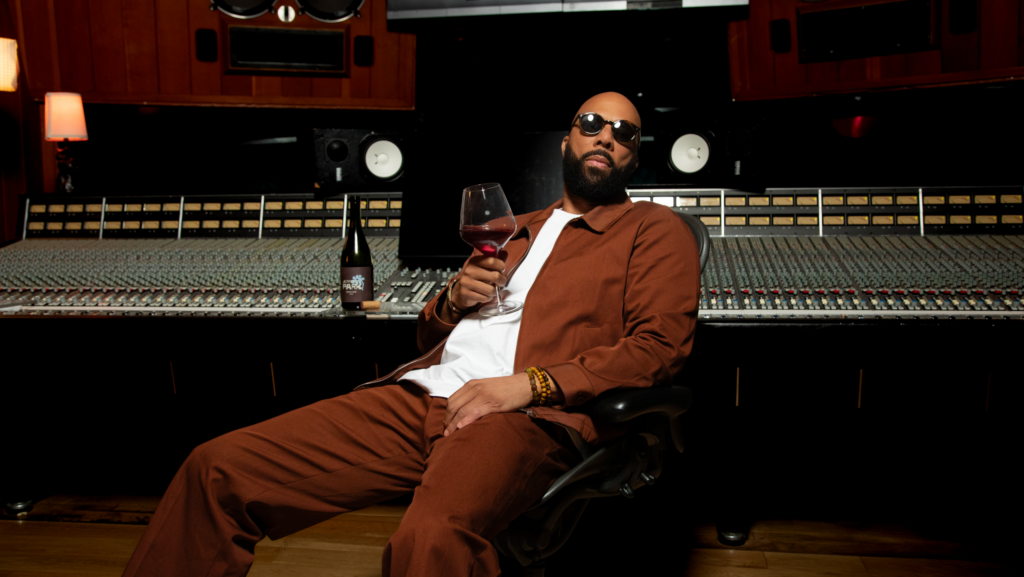


Zero Bond’s Scott Sartiano and Will Makris changed nightlife in New York City. Now, they’re hoping to do the same in Las Vegas.
This story originally appeared in Boardroom’s Spring Issue print magazine and has been adapted for online publication.
It’s all in the name. Scott Sartiano, the NYC-based hospitality magnate, says the reason he fought so hard for the Zero Bond Street location in Lower Manhattan was the name. The address is the brand. What Sartiano and his partner, Will Makris, built there in the last six years has become something more than a private members club. As Sartiano describes it, Zero Bond is a “relationship and cultural business,” where a membership committee votes on who gets in, and where the founders say they will never sacrifice the quality of the community for the sake of growth.
That philosophy has had an outsized effect on New York’s hospitality landscape.
According to Sartiano, something like 15 competing members’ clubs have opened in the city in the past two years alone. He sees that as validation. “Competition is good,” he says. “It raises the bar in what you do.” The financial model — membership revenue layered on top of food, beverage, and programming — has proven attractive in a sector notorious for thin margins, and Sartiano predicts that what’s happened in New York will get replicated at scale in most major cities.
Zero Bond is now testing that theory. Its second location, a partnership with Wynn Resorts in Las Vegas, sits along the 18th hole of the Wynn Golf Club, overlooking the Sphere. The space features works by Renoir and Calder, a private valet entry that bypasses the casino floor, and a focus on the local market — a counterintuitive bet on the Strip. Sartiano and Makris say they have six to eight global markets in mind but won’t move into any of them unless the opportunity is right. The two sat down with Boardroom to discuss how their partnership came together, how the members club boom has reshaped New York nightlife, and what it takes to scale exclusivity without losing it.
This interview has been edited for clarity and length.
Boardroom: Set the stage for your partnership. Give a brief overview of both of your hospitality journeys leading into the two of you deciding to form Zero Bond.
Will Makris: I met Scott 20-plus years ago at Butter, one of his venues. At that time, I was a regular kid from Long Island. I had nothing to do with hospitality, nightlife, anything of that nature yet. I just loved the industry and wanted to be around it. Scott was one of the first people in that industry who was nice to me and was nice enough to let me sit at the corner of his table occasionally and let me into that circle a little bit. Then I became a little promoter on my own. Then I wanted to learn every aspect of the business.
Then I pivoted a little bit into restaurants and tried that. Then, as I was doing some of the promotional stuff with Tao Group, Scott came to me and asked me if I wanted to partner with him in this members club idea. I had already worked for him in the past at Darby and Up & Down for a small amount of time as well. So we already had built a work relationship. He was nice enough to bring me to this project as a partner and to become a big part of this with him.
Scott Sartiano: I’ve been in hospitality for a long time. I’ve always thought I’m in the relationship business, and hospitality is kind of a background or a canvas for me to work on. I’ve had restaurants and nightclubs in the past. I really wanted to phase out of the nightlife stuff and elevate what I was doing both personally and professionally, and really focus on premium luxury hospitality, which is what brought me to Zero Bond and the Mercer and Sartianos.
I think that New York and everything that I focus on is driven by culture. That’s a broad context. It can be anything: sports, religion, food. But I’ve really felt like the mixture of relationships and culture is what I want to focus on. When Zero Bond came on board — I really think Will is driven more by culture and cultural influence than money and pure hospitality. We’re not in the burger-slinging business. The food and beverage and design and all those things that go into what you see on the surface of Zero Bond — our members have that expectation. They have the expectation of the best, and we try and deliver that — but we’re really a relationship and cultural business. When I was thinking of who to bring on board and work with, Will was really the only person that I thought kind of fit that for me.
It was only six years ago, and it feels like a whole lifetime ago. How has the New York location evolved and changed over time? How has the business changed as this saturation in New York occurred?
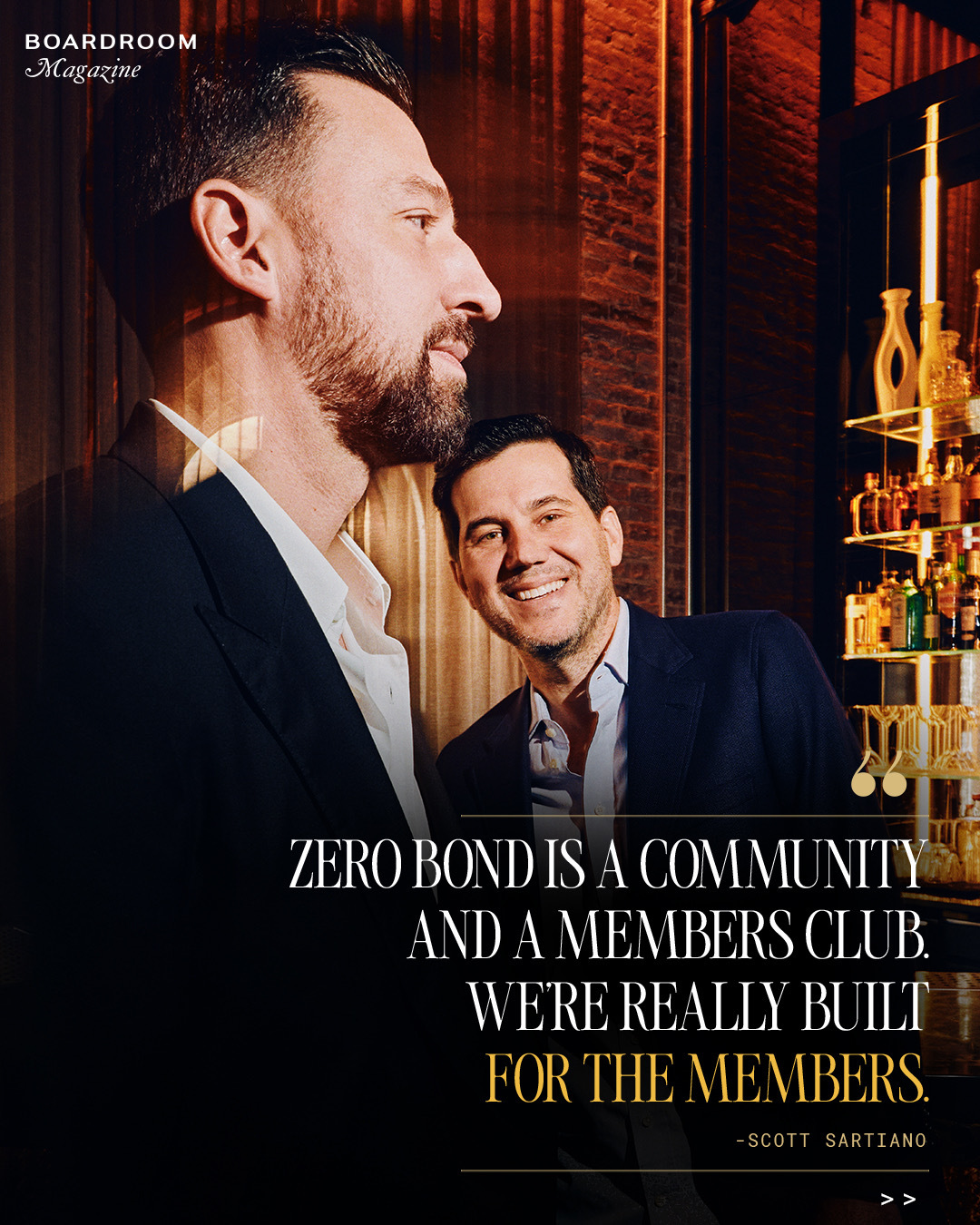
Sartiano: It has changed dramatically. Zero Bond is a community and a members club, and we’re really built for the members. We’re really just an ancillary vehicle to this experience that they want to have — culture, fashion, food — everything kind of changes, and we don’t want to be a static representation of that. We want to try and flow with it and with our members and what they want. So that definitely affects everything we do, every decision we make, from a renovation to changing food options, to design options, to furniture.
As far as how New York has changed — people say we were the first; we weren’t the first, but I think we kind of led this whole second generation of members clubs. Like anything else, people see something, it makes an impact, and they want to know what’s happening over there and how can I do something similar? In hospitality, it’s a good financial model. So you’ve seen lots of people try and replicate it or make their own versions of members clubs. I’ve always thought competition is good — it raises the bar in what you do, makes you more aware.
I opened Zero Bond because I thought I saw deficiencies in what happened at night for sophisticated people who still wanted to be social. Every business model was based on how many bodies can you get in a building? How many steaks can you serve? It just wasn’t really customer-based. It was all P&L and revenue-based. I just thought that I personally felt ignored when I went out. There wasn’t something that I wanted to go to. There were great restaurants, you had really busy nightclubs. There wasn’t really a third space or in-between that also curated the audience. COVID changed everything quickly. It made people more aware of being out late, made people more aware of their surroundings, who they’re with, more focused on the community that’s surrounding them. That was almost more important than where they were going at night. I think Zero Bond had some good timing there.
Makris: The [evolution] of actual Zero Bond is a very unique thing too because when we did open it in the beginning, we kind of had one idea about it. There was really no competition in what we were trying to do. There was Soho House, but Soho House is a mass thing—it had multiple venues, and we were trying to do something much more exclusive. So we kind of learned along the way, whether it was the design or the culinary side. We wanted it to evolve as we went. I think our redesign is spectacular. We did the roof once—it wasn’t good enough. We redid it again; we did it a second time. We made it much more beautiful and much more elaborate. Even on the food side, we kept pushing ourselves to make the food better and better to the point where our members felt comfortable eating there all the time and actually wanting to bring their friends for not just the association but for the food as well.
Especially with all the membership clubs opening and everybody trying to do something cool or competitive or different, we always wanted to stay on that line where we not only kept the core of what we’re doing, but evolved into other things as well. Whether it’s a younger demographic, whether it’s a different type of culinary experience. Those things are super important to us — always keeping up with the times and making sure that what we’re doing is going to stay here, not just for this year or next year, but for years to come.
Talk to me about why Vegas and how that came to be.
Sartiano: We have a handful of markets globally that we’d want to go into. Las Vegas was one of them, but really the opportunity to work with Wynn — it’s the gold standard in hospitality in Las Vegas, arguably the world. From the branding to the place, the venues, the offerings — everything they do, they try to be the best. And the opportunity to partner with them and be in their ecosystem was just an incredible opportunity that we were excited to be part of.
How does it work differently in terms of what a community in Vegas looks like as opposed to New York? How much of that gets dictated by what Vegas historically identifies as VIPs or high rollers?
Sartiano: To do a members club the way that we envision Zero Bond is not easy to replicate, because we put so much time and effort into getting to know what’s going to be the future community, and it really is based on locals. You’re talking about a city like Las Vegas, where the majority of people that come in annually are not locals, but there is a tremendous local market here that we really are focused on. Everywhere we’re trying to get the captains of industry, thought leaders, and influencers. Most things on the Strip are built for the people flying in for the weekend. Zero Bond is not. We’re along a golf course; we have our own entry. You can valet your car in the back of the casino and enter without going through all of the normal things that you have to enter a club, which is a big perk for locals. A valet parking and a private drive-up—most people are happy to join just for that.
We took the same guidelines from New York for that local community. Obviously, you have to mix in the people that are coming to Vegas for the weekend and who are customers of the Wynn. Just like anywhere else, just like New York, we have our membership committee. They vote on who gets into the club and who doesn’t. We’re never going to drop our standard where we go, and we only go into cities where we think that the standard there can assimilate with what we built in New York City.

What is going to be so unique and special about this space in Vegas?
Makris: The space is spectacular. You walk in, and it doesn’t feel like anything else. Even the people that we brought to see it—it’s such a welcoming, warm feeling. It’s so grand. The bar is beautiful, the furniture is beautiful, the room setting is beautiful, the art is going to be beautiful. You’re on the nicest golf course in Vegas. There’s a waterfall on the last hole. The Sphere is behind you. We have indoor, outdoor, wall seating. It’s really, really spectacular in every way, shape, and form.
Sartiano: I’ve never seen anything like it. It’s really one of the most incredible spaces that I’ve ever been in, and I can’t wait to share it with everybody. We’ve spared no expense at creating luxury. A lot of people come to Vegas and don’t even know that there’s a golf course there. You have the waterfall. No detail or expense was spared. The artwork — we have Renoirs, we have McCords, we have Calders. It’s one of a kind.
Makris: We have a lot of mutual friends. We have friends who are very, very picky, very tough on us. No matter what we do, they always think we can do it better. “Oh, you could have picked better art. You could have designed this a little better.” I think when everyone gets there and sees what has been created, they are going to be floored at what has been done here.

Right now, brand is the most powerful thing. You guys have built a brand in Zero Bond that opens up a world of opportunity. Have you envisioned where the Zero Bond brand can go and how much more you can scale this? Is that part of the grand scheme of things, or is it really about being more reactive?
Sartiano: It’s both. We want people to see what we have here. You always want to build a brand. Even my past — what I do and what I was saying about why I brought Will in—is that we are not here to just serve food. We want to create brands and leg-acy and culture. From Zero Bond, just the name Zero Bond, the address Zero Bond—I knew it would be the best address and best name. One reason we fought so much for that location was the name. People wouldn’t forget it.
That was definitely our intention: to build a brand. We get so many opportunities across our desk every day, all day, every day in every major city. There’s a handful of cities we want to go into, and we just won’t do anything unless we think it’s perfect. I’m fine with just having two. We have about six to eight markets we’d like to go into globally. That’s it. And if we don’t get the right opportunities there, we’re not going to do something just to open. We’re not driven by money; we’re driven by trying to create something iconic everywhere we go.
Every great partnership has their own “why.” What’s really cool about your partnership is you came together on this incredible business in Zero Bond, but then you both operate in your own individual spheres as well. How does that benefit you guys?
Makris: Scott and I, besides the partnership, are very, very close friends. Anyone that I would do anything with, I would obviously make sure it complements everything I’m trying to do with him. Everything that I keep progressing and building and doing, we would love to go into L.A. If I open something up in L.A., all it’s going to do is help me be stronger and more powerful, and Scott be stronger, more powerful in L.A. If I do something in New York and it’s a cool place and I get some of the people that maybe haven’t been to Zero Bond in a couple monthsm and I bring them back over—we’re like, Oh, we’re all one happy family again. Anything that we can do to just keep building each other’s brands more.
Any partners that I’ve taken on are all very good friends. They all ask for each other’s advice, we all help each other. There’ll probably be a point where we end up doing stuff together. So it just becomes a big circle of people that can help and build and want to grow.
Another thing that is a beautiful thing that I haven’t seen in New York in a long time: the guys that are successful here now, I’ve never seen such camaraderie before. Ten years ago, everybody was fighting for each other’s spots. It was like hospitality wars. It’s not like that anymore. For us in particular, we want to see people do well. We want to see people grow. If someone needs help with something, we’re happy to help them. I’ve never seen so much support by people in this industry before. It has been a beautiful thing to watch.
Sartiano: Like any other good relationship, you have to be transparent and aligned and really want each other to be successful. We always communicate on what we’re doing and what we want to do. The underlying commonalities and priorities — like Zero Bond — keep everything moving forward. We both work hard at Zero Bond, love Zero Bond, but we also have side things that we enjoy doing too. I think we encourage each other to do those things. Will says it kind of keeps you going and keeps you current and relevant in other different ways. And it all works together as part of the total package.
Read More:
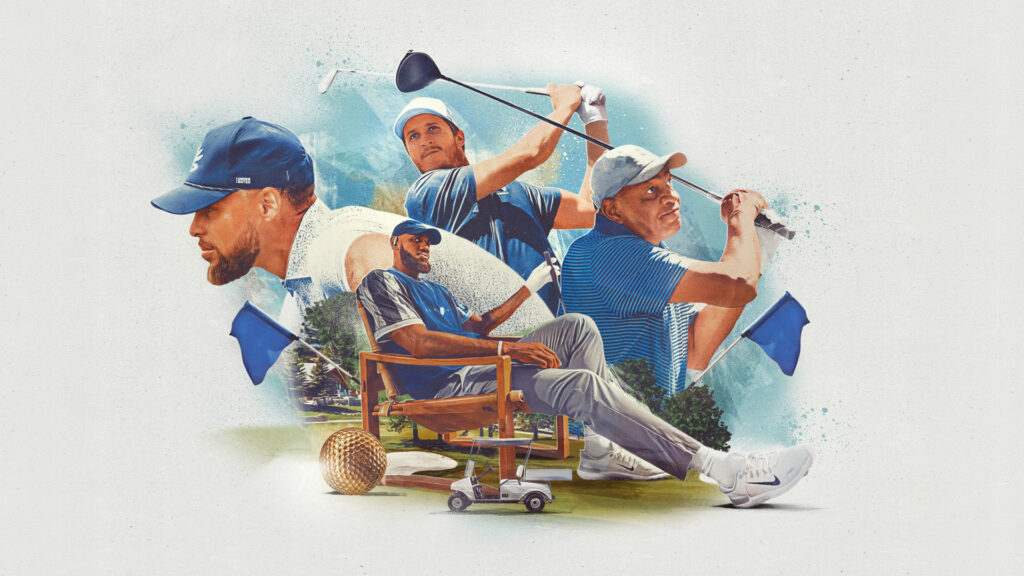
The Long Game: How LeBron James and a Few NBA Friends Might Elevate the Game of Golf
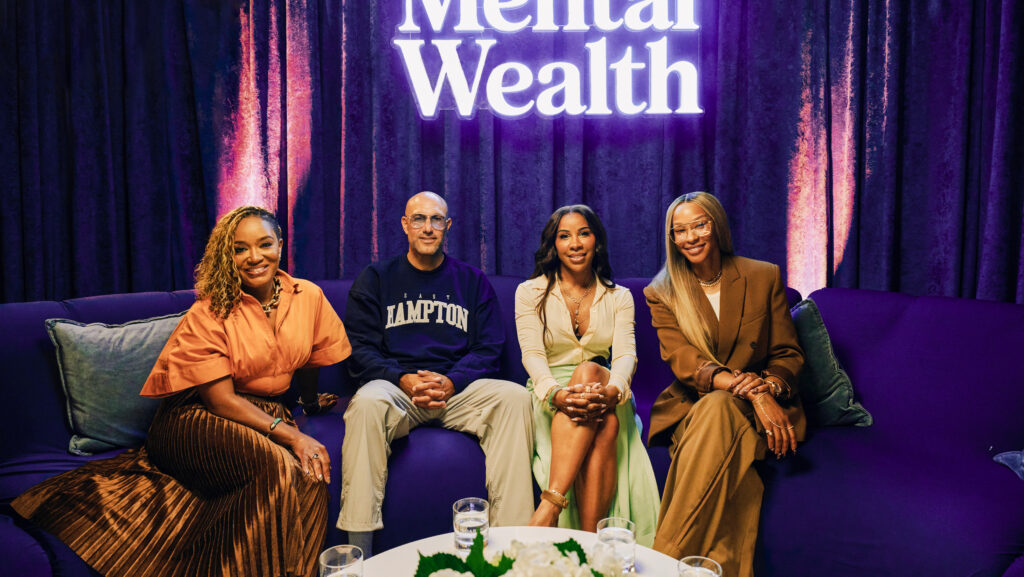
Savannah James and April McDaniel on Navigating Money, Friendship, and Business
Why Jeff Staple is Bringing His Vision to the Bundesliga
Rare Company: Savannah James & April McDaniel Are Forging Their Own Path Together
Never-Ending Game: Master P on ‘Da Last Don’, Signing Snoop Dogg, & Building No Limit