
The debate starts with Dybantsa and Peterson, but Wilson and Acuff Jr. have the talent to reshape the legacy of the 2026 NBA Draft.
Every few years, the NBA Draft arrives with a clear hierarchy. The talking heads agree on the order, the mock drafts converge on the same names, and by the time draft night actually gets here, the top picks feel like foregone conclusions. This is one of those years, and the two names at the top are absolutely deserving of the conversation.
AJ Dybantsa and Darryn Peterson are legitimate generational talents. Let’s get that out of the way first, because what comes next isn’t a knock on either of them. The two have been considered the top prep basketball players in the country for years, putting on a legendary AAU showcase in which Peterson dropped 58 points for Prolific Prep and Dybantsa countered with 49 for Utah Prep, a game both have described as a core memory for anyone lucky enough to be in the building. They crossed paths again in college when Kansas beat BYU in January, and the rivalry has only fueled the debate about who goes No. 1.
Dybantsa is the best bucket-getter in the class — an elite athlete with special size for a wing, a player whose mix of polish and power should help him find pathways to score at the next level from day one. The Tracy McGrady comparison isn’t hyperbole. The size, the fluid athleticism, the ability to score from anywhere on the floor; it’s all there. Peterson, meanwhile, has the two-way upside that’s hard to ignore, with the potential to be an All-NBA player if everything goes right. The Kobe Bryant shades are real. The bag, the three-level ability, the scorer’s mentality — Peterson is the kind of player that franchises build around for a decade.
Both could be future MVPs. Both deserve to be in the top two conversation. The Washington Wizards have a genuinely hard decision to make, and either choice is defensible. But here’s the thing nobody is talking about loudly enough. Ten years from now, we might look back at this draft and wonder why Caleb Wilson and Darius Acuff Jr. weren’t the ones taken first and second overall.

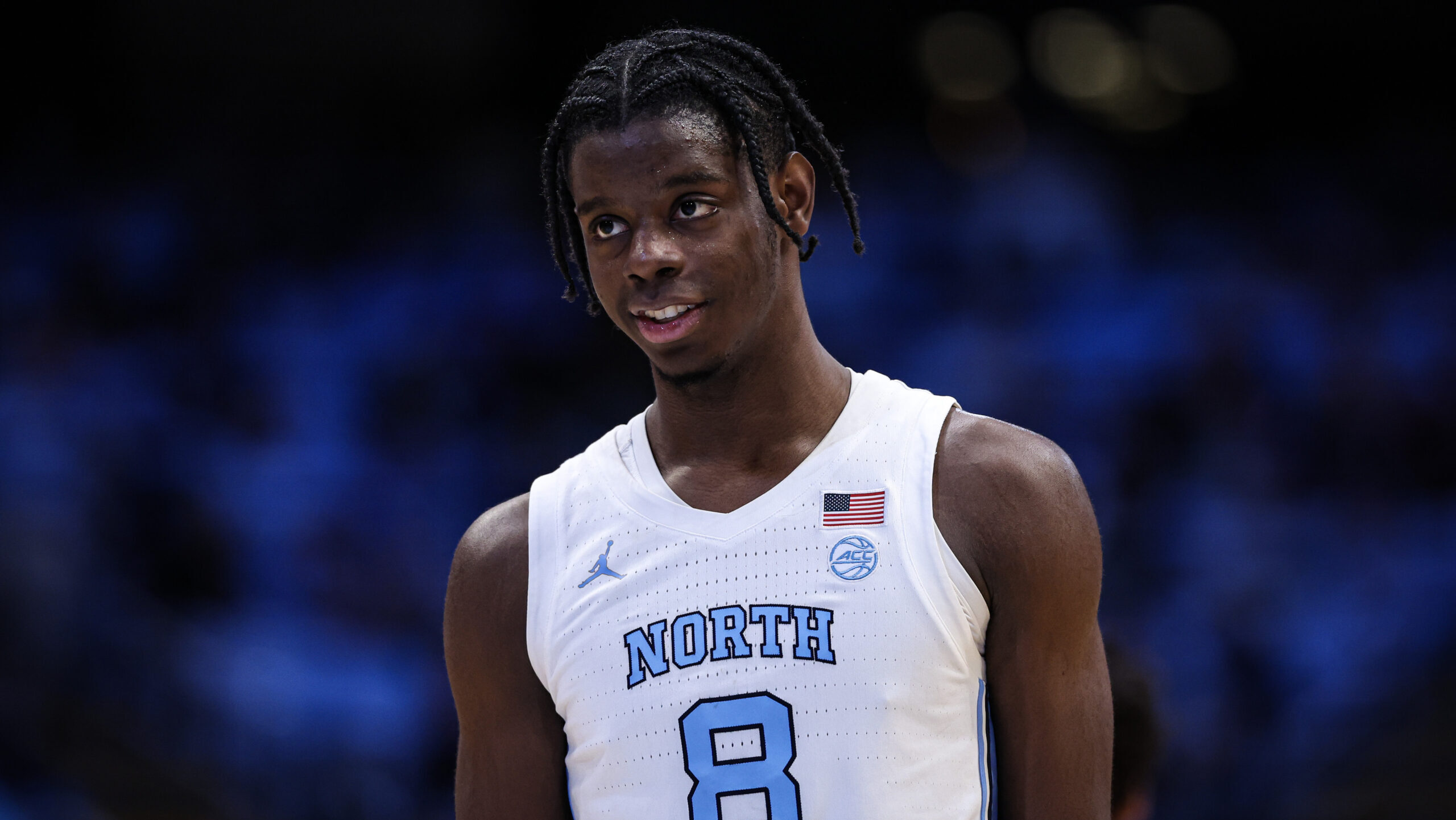
Let’s start with Wilson. The North Carolina freshman averaged 19.8 points and 9.4 rebounds while shooting 58% overall, and the physical profile is something that doesn’t come around often. He measured 6-9 with a 7-0 wingspan and a 39.5-inch max vertical at the combine. The athleticism jumps off the screen; he is a walking highlight reel who can produce two-way moments, turn defense into offense with his ground coverage, twitch, and feel. The comparisons to Kevin Garnett or even Giannis Antetokounmpo are ones that scouts are already making with straight faces. The caveat is the 3-point shooting, which sits at a modest 26% on limited volume, and the injuries that cut his freshman season short. But when you watch Wilson at his best, you’re watching a player whose ceiling is genuinely difficult to put a cap on. Scouts have called him “pretty clearly” the fourth player in this class, which, in a class this good, means he might be the most underrated prospect of the decade.
Then there’s Acuff. The Arkansas freshman put together one of the most prolific and impressive seasons for a true freshman guard seen in some time, winning the Bob Cousy Award, SEC Player of the Year, and leading the Razorbacks to the Sweet 16. He averaged 23.5 points and 6.4 assists while shooting 44% from 3-point range. Read that again. A true freshman point guard shooting 44% from downtown on six attempts a game. He also possesses what might be the best floater in the draft class, converting 46% of his attempts, an absurd number that speaks to his feel around the basket for a player his size. The Jalen Brunson and Allen Iverson comps that keep coming up aren’t just about style — it’s about the command, the poise, the ability to operate at his own tempo while the rest of the defense scrambles to keep up.
Look, the knocks are real, too. Acuff’s shorter stature at 6-3 is the first thing opposing teams will test, and his defense — by his own admission — needs work. That’s either the most honest thing a prospect has said at the combine in years, or a red flag depending on who’s evaluating. Wilson’s 3-point shooting, meanwhile, is the one question mark keeping him from a legitimate top-two conversation. If that shot develops — and the mechanics suggest it can — you’re looking at a player who could be the best in this draft.
Here’s the bottom line. Dybantsa is a future star. Peterson is a future star. Both should go in the top two, and both will make the franchises that take them very happy for a very long time. This draft class is genuinely loaded, and the separation between No. 1 and No. 5 is smaller than the rankings suggest. Shoot, we haven’t even gotten to talking about Cameron Boozer, a guy who was a candidate to go No. 1 for much of his freshman season at Duke, Keaton Wagler, Mikel Brown, or Kingston Flemings, all of whom many project to have an All-Star career at the next level, and you wouldn’t get an argument from this writer.
But I’m planting my flag in the Wilson and Acuff camps. The draft board has them slotted comfortably behind the headliners, and that might be exactly right. Or it might be the thing we’re all referencing in 2031 when both of them are All-Stars, and someone is writing a piece about how nobody saw it coming.
The signs are there. You’ve been warned.
Read More:

The Blueprint: Jessica Holtz Meets the Moment
The Power Broker: Emma Grede Is Just Getting Going
Quiet Power: Imani Ellis on CultureCon, Creators, and Learning to Let Go
The Long Game: How LeBron James and a Few NBA Friends Might Elevate the Game of Golf

Savannah James and April McDaniel on Navigating Money, Friendship, and Business