

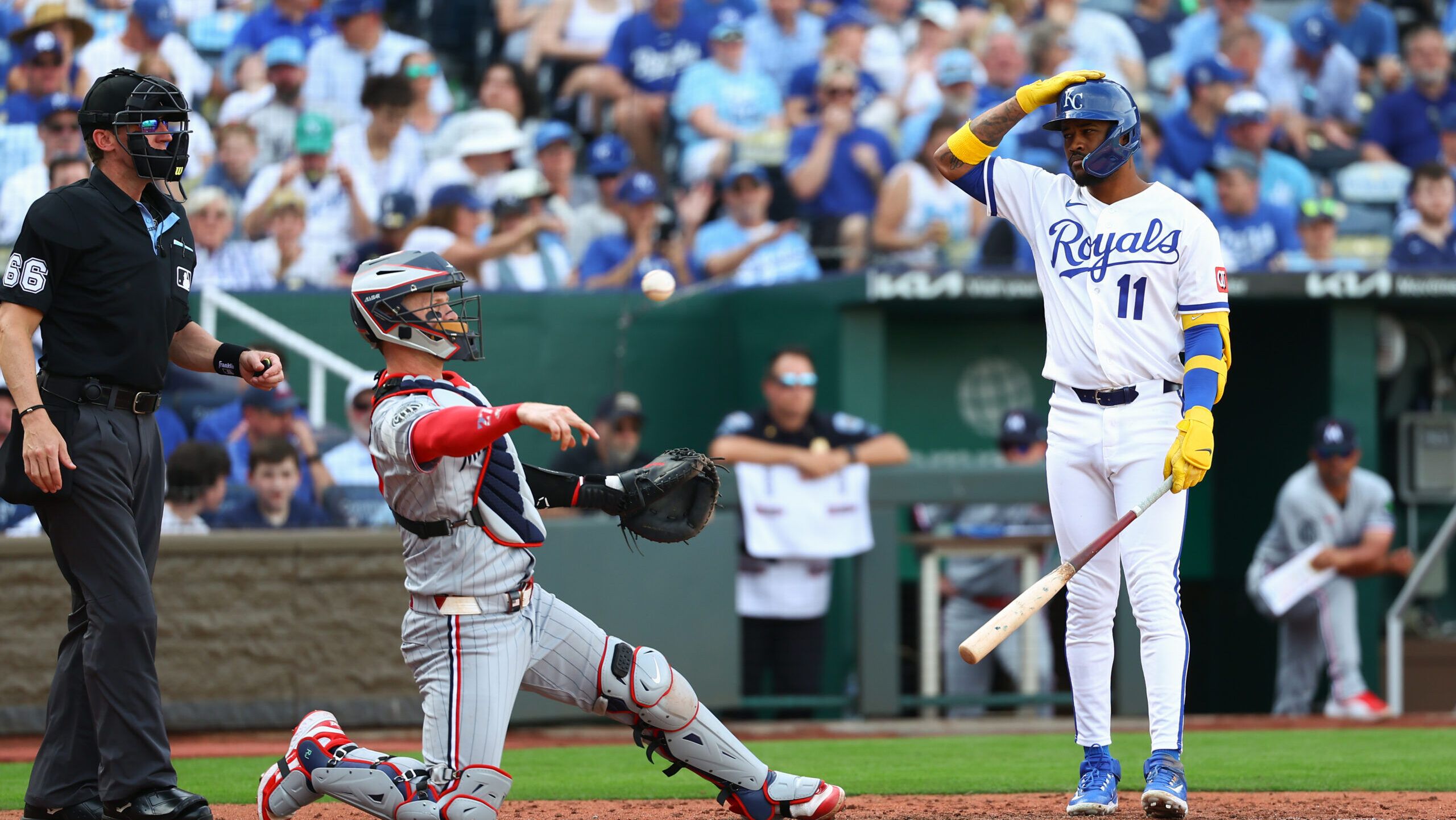
One week into the MLB season, the ABS challenge system is proving effective and adding drama while quietly fixing missed calls.
Baseball has spent the better part of the last decade trying to drag itself into the present. Pace-of-play tweaks, pitch clocks, bigger bases – all necessary, all debated, all eventually accepted in a sport known for honoring tradition. And now, just one week into a new season, the sport may have stumbled into its most polarizing change yet.
The new automated ball-strike system is here in MLB. And whether you love it, hate it, or just don’t fully trust it yet, it’s already doing exactly what it was designed to do. It’s working.
Let me explain.
Through the opening stretch of the season, ABS hasn’t turned games into some robotic, soulless version of baseball. It hasn’t slowed things down to a crawl. It hasn’t sparked chaos the way traditionalists feared. Instead, it’s slipped into the background while quietly fixing one of the sport’s most persistent problems – getting calls right when it matters most.
And here’s the part that might surprise you: It’s barely being used. Across MLB through Monday, there were 227 challenges in 62 games played for an average of just 3.7 per game. We’re talking about a system that players can tap into at any moment – a quick signal, a split-second decision – and yet, they’re showing restraint. That alone tells you something. This isn’t being abused; it’s being respected.
But when it is used, it’s impactful.
There have already been games where multiple calls behind the plate were overturned, flipping counts, changing at-bats, and forcing everyone involved — pitchers, hitters, and yes, umpires — to adjust on the fly. The Orioles even made history with it, too, when catcher Samuel Basallo became the first player to end a game on a successful ABS challenge, overturning a ninth-inning ball call into a strike to seal Baltimore’s win.
And that’s kind of the point. For years, the strike zone has lived in a gray area, shaped as much by reputation and framing as it was by the rulebook. Now, there’s a safety net, a correction button, accountability in real time.
That doesn’t humiliate umpires; it modernizes the job.
Because here’s the reality: No one turns on a game hoping the conversation afterward is about a missed call in the seventh inning. ABS doesn’t eliminate the human element; it just raises the floor. Umpires still call the game; they still manage it. But now, the most egregious misses don’t linger. They get fixed, instantly, in front of everyone.
And the ripple effects are already showing up in strategy. Take the following from MLB’s Senior Data Scientist, Tom Tango, for example.
“On average, an overturn run for a random bases empty situation is 0.08 runs … On average, an overturn run for a random bases loaded situation is 0.60 runs. In other words, you can get over SEVEN times the payoff on a flipped 3-2 pitch as you would from flipping a first pitch. When you have that kind of a payoff, you need to be very careful on challenging first pitches and very aggressive on challenging 3-2 pitches.”
Catchers can’t rely solely on elite framing to steal strikes that aren’t there. Pitchers can’t live on the edges and hope for generosity. Hitters, meanwhile, have a layer of protection they’ve never truly had: the ability to challenge a moment that could define their at-bat. It’s subtle, but it matters. Over time, it’s going to reshape how the game is played on a pitch-by-pitch level.
Perhaps above all else, though, fans are into it.
There’s a jolt of energy every time a challenge is initiated. A pause, a collective lean-in, then the reveal. It’s quick, definitive, and adds a layer of drama that baseball doesn’t always naturally produce in the middle of a random Tuesday night game in April.
Of course, there will be pushback. There always is. Baseball, more than any other sport, clings to its traditions, sometimes to its own detriment. The idea of “robot umps” has been a lightning rod for years, a symbol of everything purists fear about the game losing its soul.
But here’s the thing: This isn’t replacing the human element; it’s refining it. The same way that replay reviews didn’t ruin the game. The same way the pitch clock didn’t destroy it. If anything, both made baseball sharper, cleaner, and more watchable, and ABS is trending down that same path.
Early returns don’t guarantee long-term success. There will be tweaks, moments where the system isn’t perfect. But one week in, the early signal is clear – this isn’t a gimmick. It’s an upgrade.
And if baseball is serious about balancing its history with its future, that’s exactly the kind of change it needs.
Read More:

Red Hook Tavern: Where Billy Durney Wants to Know Your Name

Keanu Reeves’ Next Act Is Built on Two Wheels

The Blueprint: Jessica Holtz Meets the Moment

The Power Broker: Emma Grede Is Just Getting Going

Quiet Power: Imani Ellis on CultureCon, Creators, and Learning to Let Go