

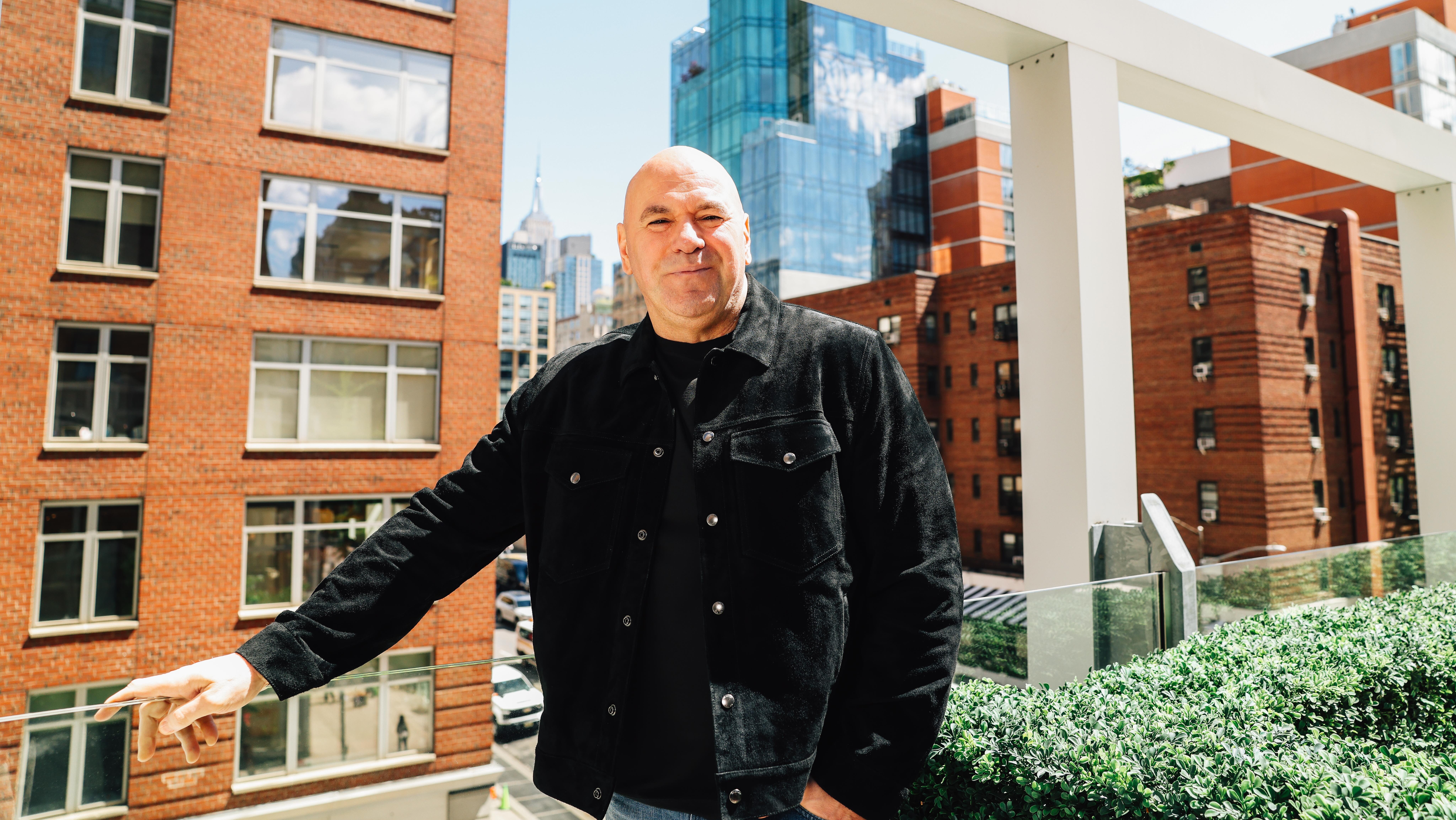
White sits down with Boardroom to talk about the White House fight, Zuffa Boxing, PowerSlap, and what makes him one of one.
There are very few people in the world who have built something from nothing and genuinely changed the way an industry operates. Dana White is one of them. And when Rich Kleiman sat down with the UFC President and CEO for a recent episode of Boardroom Talks, what unfolded wasn’t just a conversation about combat sports; it was a masterclass in what it actually looks like to bet on yourself when nobody else will.
The backdrop couldn’t be more fitting. White is weeks away from pulling off the most audacious event in the history of his sport — a UFC fight card on the south lawn of the White House on June 14, with 4,000 people on the lawn and 85,000 more at the ellipse. Over 300,000 people applied for tickets. The man who once couldn’t get the UFC on pay-per-view because venues didn’t want “that type of crowd” inside their arenas is now putting on a fight for the President of the United States in front of America’s most iconic address. Let that sink in.
But what made the conversation worth watching wasn’t the spectacle of it all. It was the glimpse into how White actually thinks. When Kleiman asked whether he ever stops to appreciate how far he’s come, White’s answer was immediate and revealing; he doesn’t. Not because he isn’t grateful, but because his brain doesn’t work that way. He’s already onto the next thing before the current one is finished. “After the Sphere, I was like, where do you go after the Sphere?” he told Kleiman. His answer? The White House. And after that? The moon. He wasn’t entirely joking.
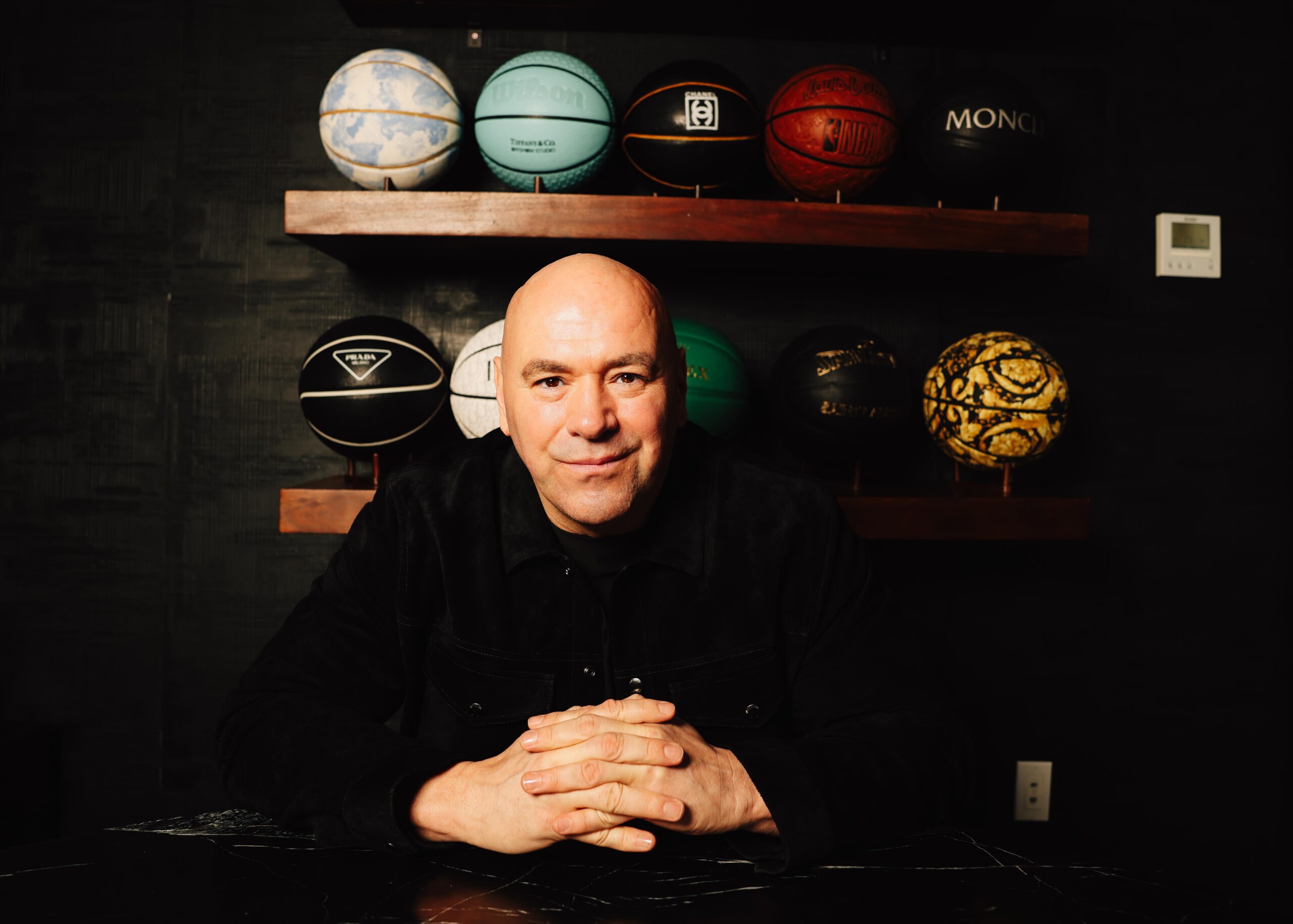
The loyalty piece landed differently. Kleiman pressed White on his relationship with President Trump, a relationship that’s been politicized endlessly from the outside but is, at its core, something much simpler. White told the story of a broke, stigmatized UFC in 2001 that couldn’t get arena deals, and a Trump who showed up from the first fight of the night at the Taj Mahal and stayed until the last. “Every good thing that ever happened to me in my career, he was always the first to reach out,” White said. That’s the whole story. Loyalty in, loyalty out. It’s the same operating system he runs his entire organization on.
The Zuffa Boxing conversation was equally sharp. White didn’t mince words about what’s wrong with boxing — the corruption, the sanctioning bodies, the going-out-of-business mentality that’s defined the sport for decades. He’s seen this movie before. In 2001, everybody told him the UFC would never beat boxing. They were wrong. Now he’s walking into boxing with the same blueprint, the same confidence, and a fanbase that has spent 25 years learning to trust that when Dana White puts his name on something, it delivers. As he put it plainly to Kleiman: “My job now is to start from the ground up, rebuild the sport the way that I want to do it and the way that I think it should be done. And in five years, we’ll find out if I’m right or if I’m wrong.”
And then there’s PowerSlap, the thing he called the most successful venture he’s ever been a part of in such a short amount of time. A billion views a month on social media. More sponsorship in its first two years than the UFC generated in 10. It started with White watching grainy videos out of Russia on Instagram at 2 a.m. and thinking, if I’m interested in this, everyone else will be too. That instinct is what separates him from everyone else in the room.
Kleiman called White a “generational, absolutely one of one entrepreneur” in the opening. By the end of the conversation, it was hard to argue otherwise.
Read More:

Why Jeff Staple Is Bringing STAPLE to the Bundesliga
Rare Company: Savannah James & April McDaniel Are Forging Their Own Path Together
Never-Ending Game: Master P on ‘Da Last Don’, Signing Snoop Dogg, & Building No Limit
Common Turns His Chicago South Side Roots Into a Wine Brand
Tyrese Haliburton Gets Real About the Olympics, NBA Finals, His Achilles, & Proving People Wrong