
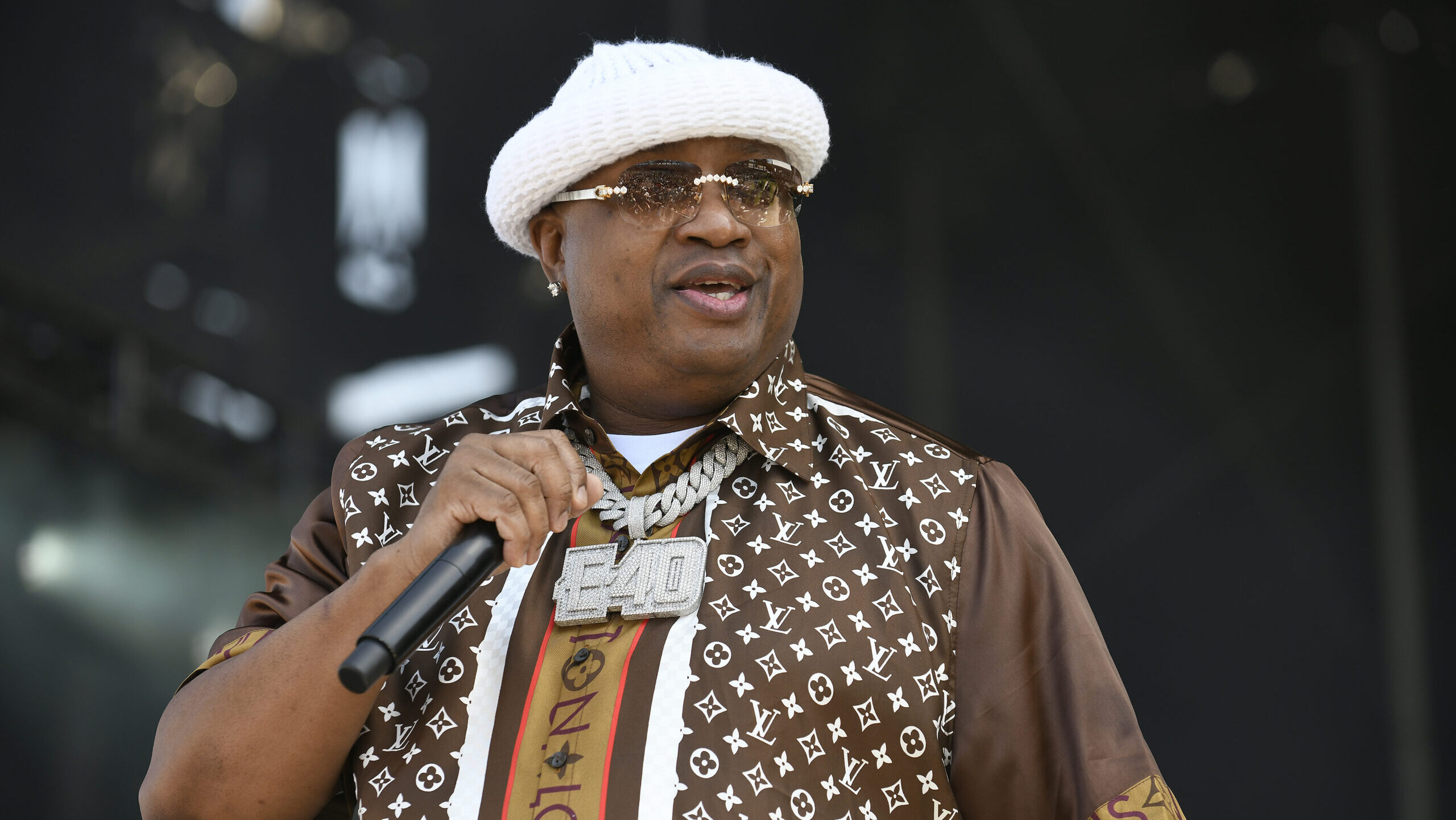
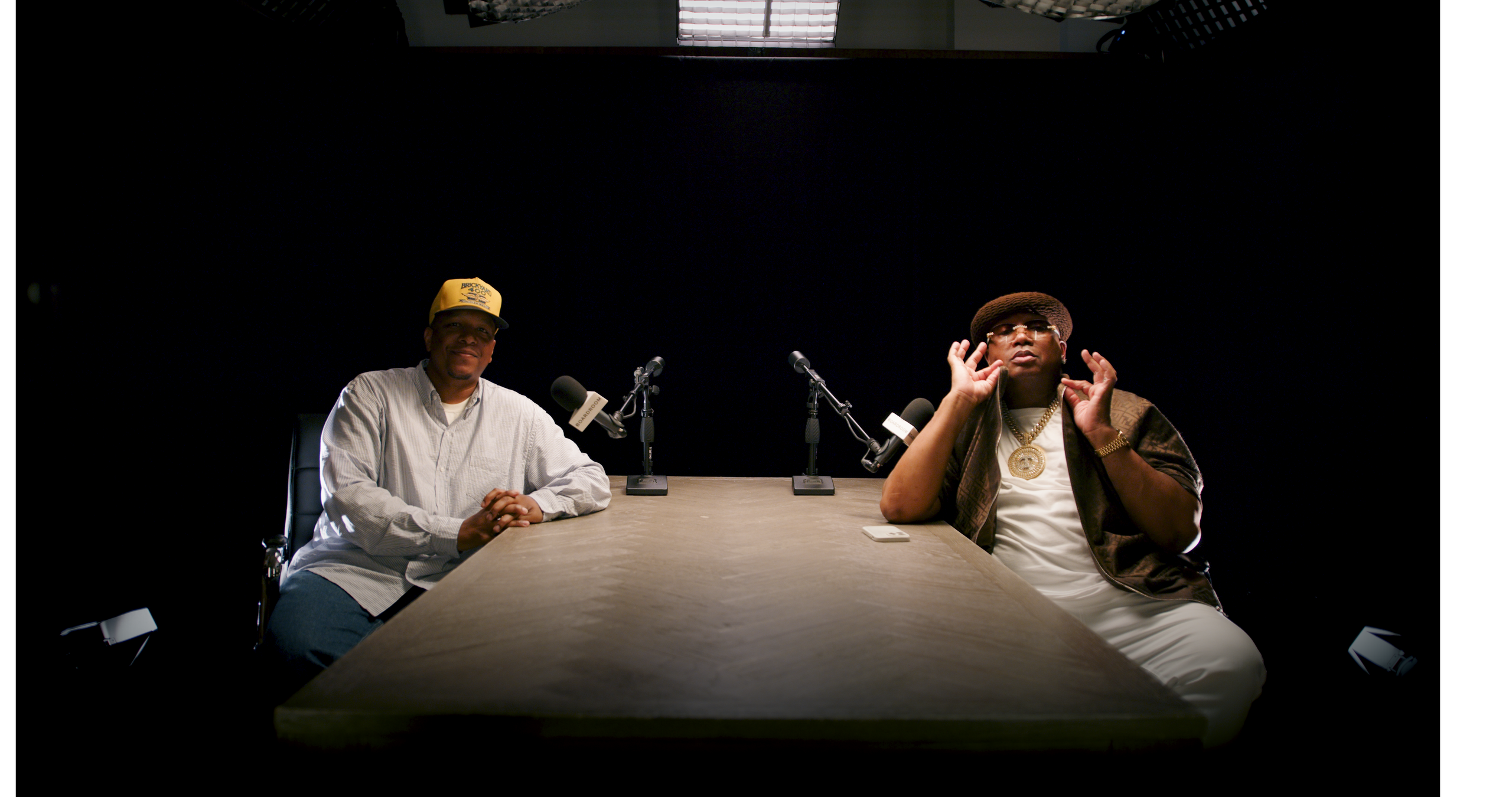
E-40 breaks down the making of My Ghetto Report Card, the T-Pain hook that took 15 minutes, and why he never changed; he just adjusted.
“I never changed. I just adjusted to the times.”
It’s a throwaway line, tucked into the middle of a long conversation on the latest episode of Boardroom‘s On Record, but it might be the most accurate summary of E-40’s career anyone has offered. Talk to enough rap lifers and you’ll hear some version of it, usually from the ones who’ve been left behind. E-40 says it from the top of a pile. The Vallejo legend, who has been releasing music since 1992, has a habit of coining words and then watching the rest of the culture walk off with them. “Po-po.” “Broccoli.” Even “feel me.” He insists he was the first rapper to say it on record, and he’s ready for anyone who can produce the tape to correct him. “They call me Mr. Receipts,” he says, grinning.
His story starts at Grambling State, where he, B-Legit, and a few friends rewrote the school’s alma mater, dubbed it off a boombox in a dorm room, and won the campus talent show. By 1996, a promo run landed him at a New Orleans radio station at dawn, where a tall guy and a shorter guy walked up and introduced themselves as fans — they were Cash Money co-CEOs Bryan “Birdman” Williams and Ronald “Slim” Williams. “Game recognized game,” he says. A few years later, he put Cash Money’s entire roster on a single record, “Look at Me,” something he’s quick to remind you nobody else outside the label managed.
None of it came with a blueprint. Where other rappers talk about independence as a philosophy, E-40 calls it a lack of options. “Some people are in the hood by force, and some people are in there by choice,” he says. “I had to go independent by force.” No label was coming to the Bay to find him, so he built the machine himself and waited for the suits to arrive. They did. “Every last one of them.”
Which makes the two years he spent inside someone else’s house all the more curious. Around 2005, he got a feeling he describes as something close to a message from above: Call Lil Jon. He paged him, asked about joining BME, and Lil Jon wrote back that he was about to call. Within a quarter hour, they had a deal. For once, E-40 got to be just the artist, not the CEO carrying everything on his back. The result was My Ghetto Report Card, which turned 20 this year.
How does a 15-year veteran end up making the record that carried hyphy to MTV and TRL? By napping, mostly. As E-40 tells it, Lil Jon had promised a day of slow music, then appeared out of nowhere with a tribal drum pattern while the room dozed off. Someone woke up yelling the hook. Nobody planned “Tell Me When to Go.” It just happened. And E-40 is the first to say he didn’t invent the movement behind it. That belongs to Keak da Sneak, Mac Dre, Something Terrible, and the streets. “They just wasn’t calling it hyphy,” he says. He simply had the Warner Bros. machine behind him when the world finally looked.
Then there’s “U and Dat,” a 3-million seller that began with a hole where the hook should be. E-40 had floated the name of a rising Florida singer, a call went out, and T-Pain walked into the booth with no lyrics and no plan. Fifteen minutes later, he’d written the song. “He didn’t even need the auto-tune,” E-40 says.
The stories keep coming: a check-in call to Big Sean that became a Diamond record, nights recording on the road with a young Kendrick Lamar, a Tupac plaque he mentions almost as an aside. Through all of it, the point lands: Nothing here was strategy. It was showing up, staying ready, and saying yes.
On the heels of dropping Turning My Money Over, a 40-track quadruple album, in August, E-40 sat down with Boardroom to talk about it all. The TLDR? Keep the receipts, keep flipping, and never mind the people who tell you that you didn’t say it first.
Read More:
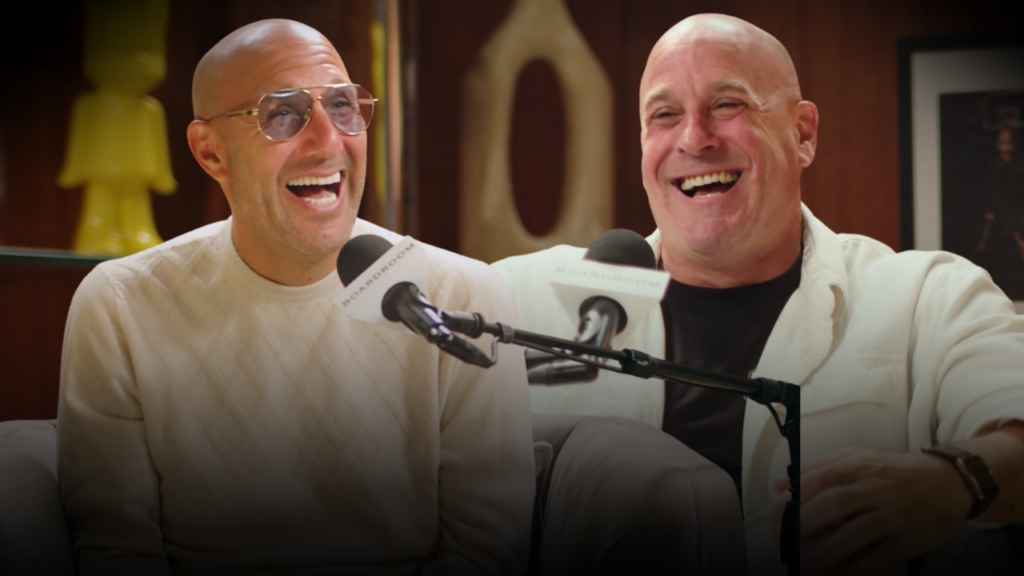
Bread, Not Cred: CAA Sports’ Mike Levine on Team Over Ego, 20 Years In
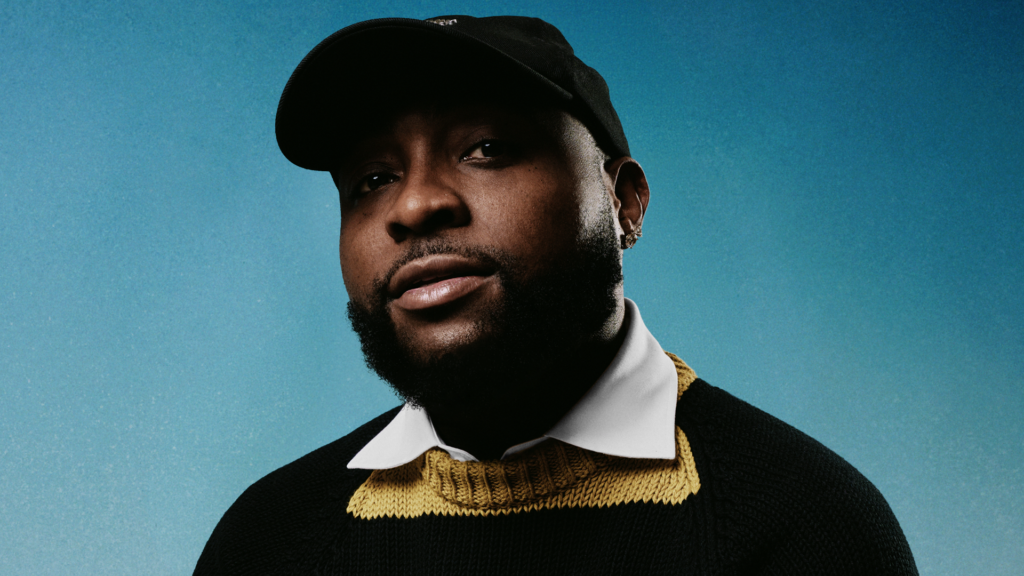
Heavy Is the Head: 15 Years In, Davido Still Has Something to Prove
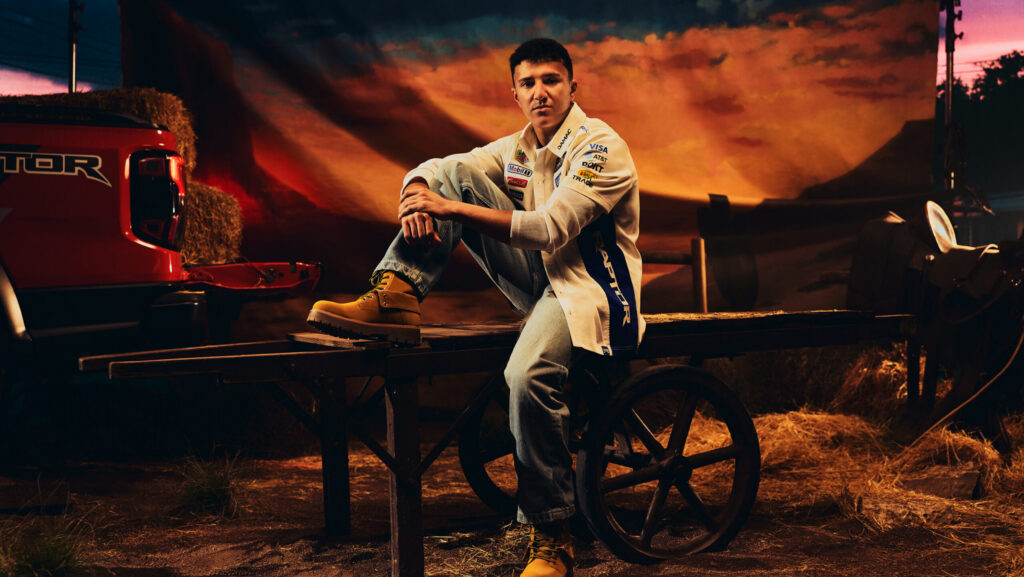
Isack Hadjar Talks Favorite Rappers, ‘Iceman,’ and What Makes a True Sports Car
The 15 Best Horror Sequels to Watch This Halloween
YG on Making ‘My Krazy Life’, His West Coast Legacy, & Reinventing Himself