

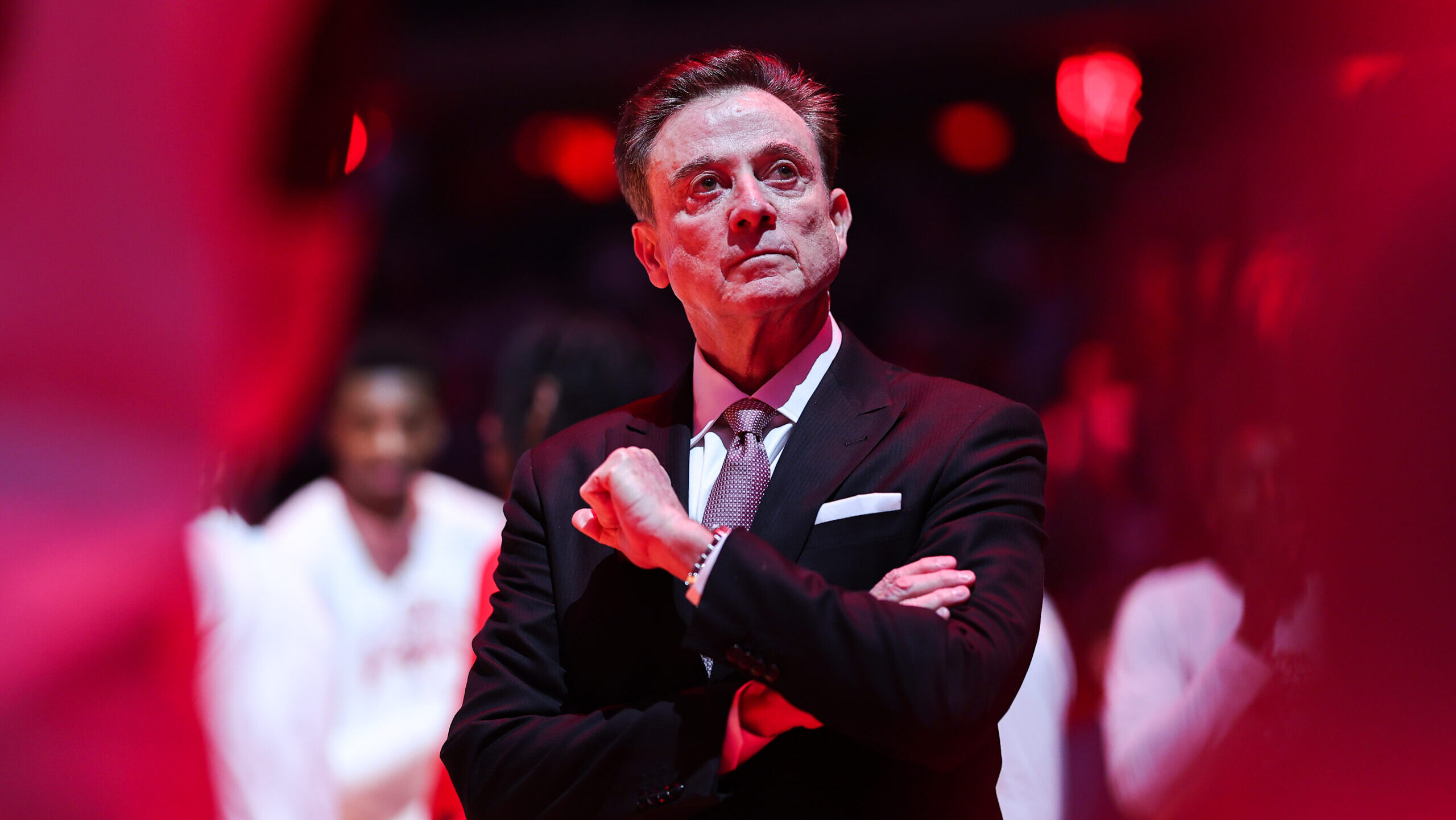
The Big East can allocate a greater portion of its NCAA revenue-sharing funds to men’s basketball than to football schools, giving it a distinct advantage.
The college basketball season tips off on Monday, the first under new NCAA revenue-sharing rules and guidelines that require schools to directly pay Division I student-athletes for the first time.
The House Settlement now allows DI schools to spend up to $20.5 million in revenue sharing to athletes, divided among different sports as they so choose. Given that football generates the vast majority of revenue for these colleges and universities, schools have allocated about an average of 75% of that total toward football and only about 15% toward men’s basketball. However, for colleges that don’t have football teams, such as those in the Big East aside from UConn, they can devote a much larger percentage of their resources to fund their men’s basketball programs.
You better believe that those major conference football schools have taken notice.
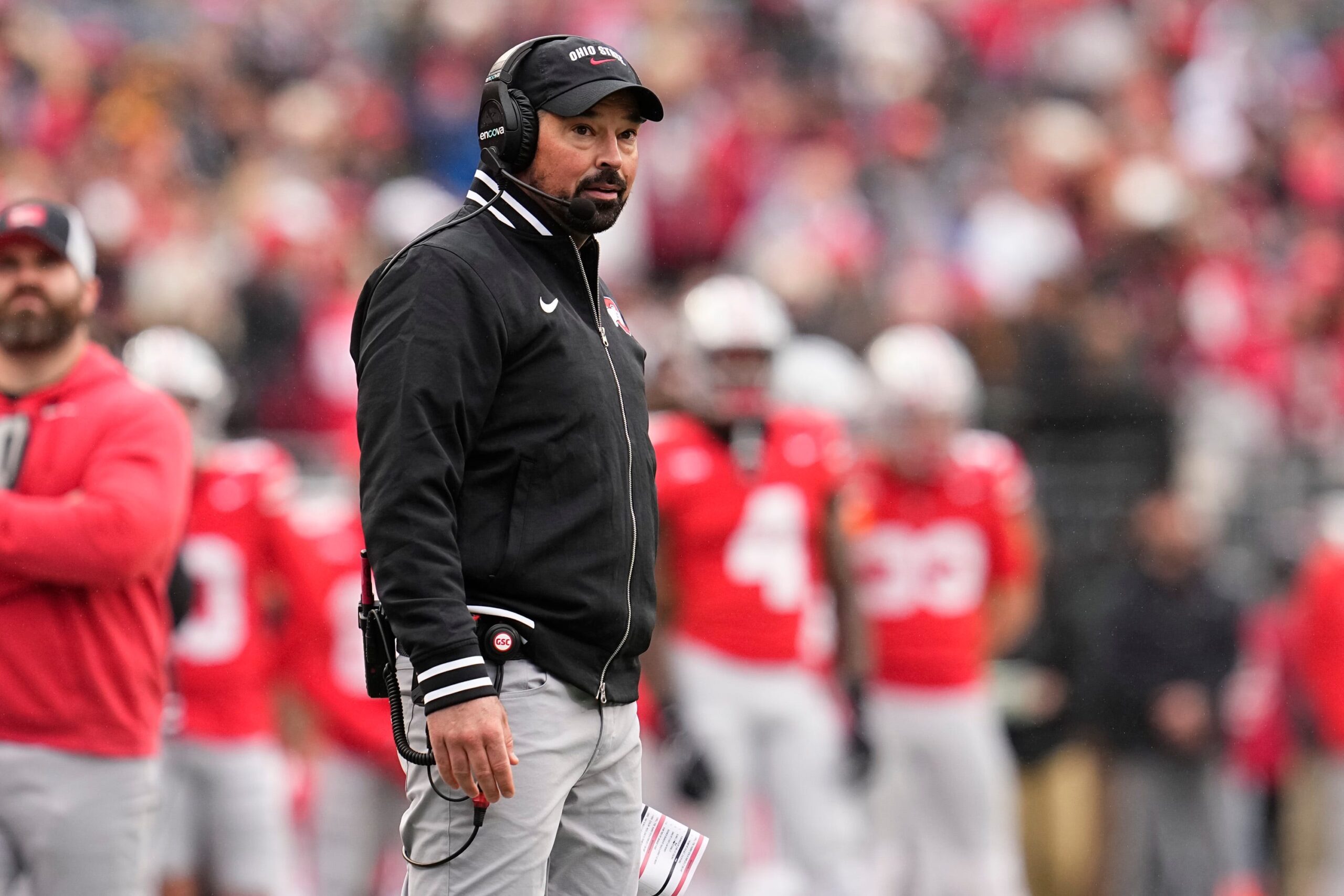
“Let’s say that their revenue share number is double or triple what we have in the Big Ten because we’re feeding football as well,” Ross Bjork, Ohio State‘s athletic director, told Boardroom, “what does that look like from a competitive standpoint? If some of the numbers we’re hearing are accurate, it puts them at a distinct advantage.”
After hosting an afternoon of panel discussions on the future of college sports earlier this month, Big East Commissioner Val Ackerman confirmed that she expects the conference’s non-football schools to allocate the necessary resources to ensure their success on the court.
“I can attest that they are leaning heavily into the direct payments for basketball players in a way that will make them competitive,” Ackerman told Boardroom, “and allow them to acquire the level of talent that they think they need in order to be nationally successful.”
Whether she believes this will put the Big East at the advantage Bjork and others are so concerned about will depend on the effectiveness of the College Sports Commission, the new oversight body in charge of facilitating revenue sharing and approving third-party NIL deals. Enforcement, Ackerman said, will be difficult for CSC CEO Bryan Seeley, who’s in charge of making sure that outside money coming in is for valid business purposes across every DI school in every sport within a reasonable range of compensation. His position, along with the entire CSC, only began in July.
“We’re watching with great interest how that’s going to turn out,” Ackerman said.
Big East schools get their fair share of outside money as well, even if they don’t compete on the gridiron. St. John’s won its first conference championship in 25 years last season under head coach Rick Pitino with the help of billionaire alumnus Mike Repole, the co-founder of Vitamin Water and Body Armor and the current majority stakeholder in NOBULL. After Pitino endured a rough first season leading the Red Storm, Repole told the New York Post in February 2024 that “I’m going to commit whatever it takes. I don’t think there’s going to be any alumni from any other Big East school that’s going to give to their alma mater more than I can.”
That includes a reported millions of dollars in NIL donations to Red Storm collectives on top of what’s looking like a disproportionate percentage of revenue sharing the Johnnies can provide men’s basketball as a non-football school. Led by a transfer portal class that ESPN ranked as the best in the country, St. John’s is ranked fifth in the AP preseason poll, its highest preseason ranking in school history and its first top-10 nod since before the 1991-92 season. Forward Bryce Hopkins came from Providence after averaging 17 points and 7.7 rebounds per game last season, guard Oziyah Sellers arrived from Stanford after putting up 13.7 points per game last season on 40.1% shooting from three, and guard Ian Jackson transferred from North Carolina, where he averaged 11.9 points per contest on 39.5% shooting from three.
“If you ask me, it’s probably Final Four or bust,” Repole told Boardroom over the phone earlier this month. “The team this year is as talented as St. John’s has ever had in their history, which says a lot. At the end of the day, the money is definitely a factor, but I think there are a lot more factors than that.”
For the Red Storm, Repole boasted about Pitino’s two national championships, the number of his players who moved on to the NBA, and the ability to play in front of a packed house at Madison Square Garden.
“Our advantage is a lot more than just the money,” he said. “But do you want to go to a school in the Big 12, SEC, or ACC where you’re taking a back seat to the football team, or do you want to go play at St. John’s, Villanova, or Providence and be the headliner sport at that school? So, I do think that a little bit is about the money, I’m not going to say it isn’t, but the focus of basketball being the king at that university is a big factor.”
For Bjork’s Ohio State Buckeyes, who don’t have the rev share money for basketball like the Big East does, he said that recruiting well in high school and finding the right transfers are only part of the battle. What he and other larger football schools are trying to figure out is how to retain those players when a huge season can land them millions elsewhere in the transfer portal. So, while talent is clearly vital in any sport, chemistry, culture, and fit will be huge for Ohio State as it prioritizes an old-school type of continuity, rather than a St. John’s that has the ability to bring in top transfers on a yearly basis.
“We’ve seen examples of programs that have had a lot of one-and-done players that didn’t do well because it was more about the individuals,” Bjork said. “So teams that are more of a team, what does that look like in college basketball? But the financial numbers have a lot of our coaches on edge in the Big Ten, and so we have to recognize that and continue to adapt.”
A half-hour before Ohio State plays its opening game Monday against IU Indianapolis, St. John’s begins its season at home against Quinnipiac. Nine of the Big East’s 11 teams will be in action, prepared and ready, Ackerman reiterated, to devote the necessary resources to maintain high-quality operations with top-notch coaching staffs, as well as to acquire the best student-athlete talent possible. And as currently constructed under NCAA revenue sharing rules and how most of the money is going toward football, the Big East possesses an advantage in men’s basketball that these other large football schools can’t do much about.
It has Bjork, and apparently Big Ten coaches, on edge as a new era begins both on and off the court in the world of college hoops.
Read More:
Michael Che Opens Up About SNL, Kanye, Colin Jost, Cancel Culture, & Comedy
Red Hook Tavern: Where Billy Durney Wants to Know Your Name
Keanu Reeves’ Next Act Is Built on Two Wheels

The Blueprint: Jessica Holtz Meets the Moment
The Power Broker: Emma Grede Is Just Getting Going