


Shelton sits down with Rich Kleiman to dish on the US Open, night matches, college tennis, his football roots, and why New York is his favorite stage.
Ben Shelton contains multitudes.
There’s the finance major from Florida who talks about brand deals like he’s stress-testing a model, and there’s the kid who started taking tennis seriously because it got him out of school. There’s the one who can break down the business of being a professional athlete with the clarity of someone twice his age, and there’s the one who could spend an entire afternoon watching Gael Monfils highlights on YouTube and never think to apologize for it. Sitting down with Rich Kleiman for the latest episode of Boardroom Talks, all of those versions showed up, and together, they start to explain why the 23-year-old is one of the most interesting people in tennis right now, and why the US Open has never felt like just another major to him.
“I think this is the tournament for me that I want to win above every other tournament,” Shelton told Kleiman. “I think that it’s the biggest, for me, most important tournament that we play. A lot of people say Wimbledon because of the history of the sport, but for me it’s here.” Part of that is sentimental. Part of it is pure physics. The heat, the bounce, the crowd noise that never fully dies down even in quiet moments; Shelton’s game is built for exactly this kind of chaos. “When the court gets hot, the ball bounces so much higher. I’m very good at getting the ball to jump out of the zone, and I think that’s a huge advantage for me.”
What’s more interesting than his affinity for hard courts, though, is how he got here in the first place. Shelton wasn’t a tennis prodigy grinding academies from age six. He was a kid obsessed with football, playing quarterback in tackle leagues since he was 5, doing Oklahoma drills before he could really read. Tennis was something his dad and older sister did, something he actively avoided until he realized tournaments meant missing school on Fridays and Mondays. “The reason that I started playing more and more is because it was the only way I could miss school,” he said, laughing it off as the most normal motivation in the world.
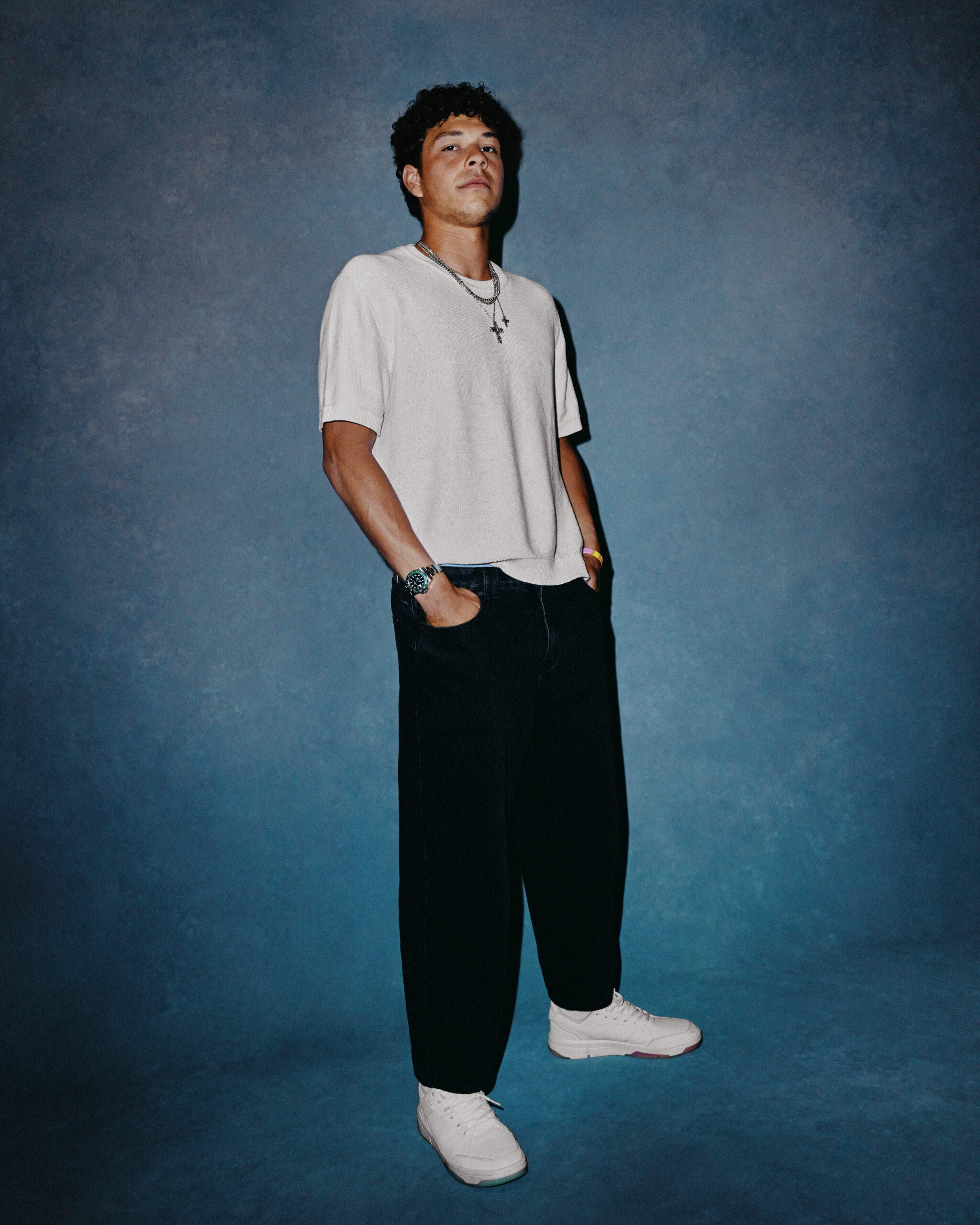
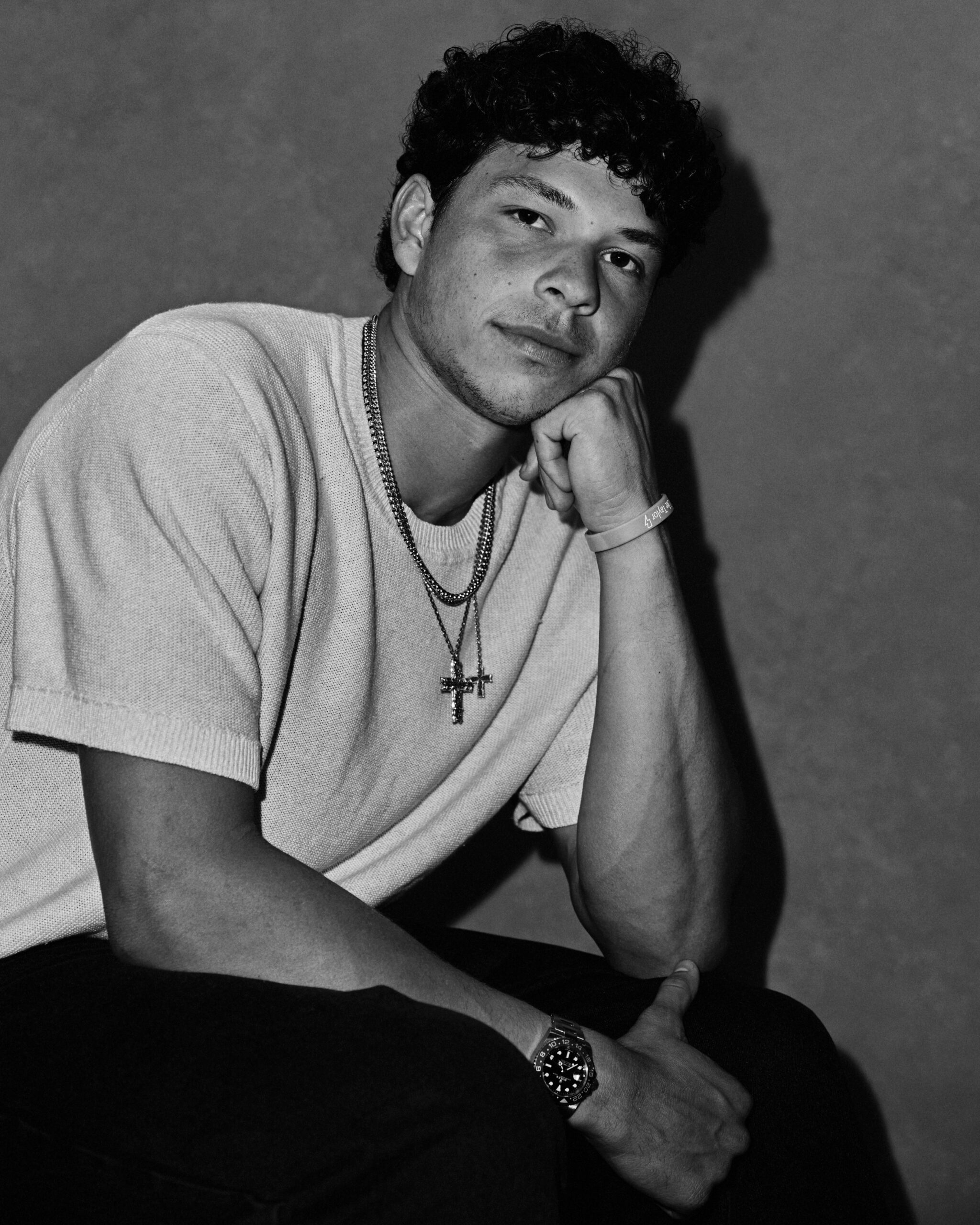
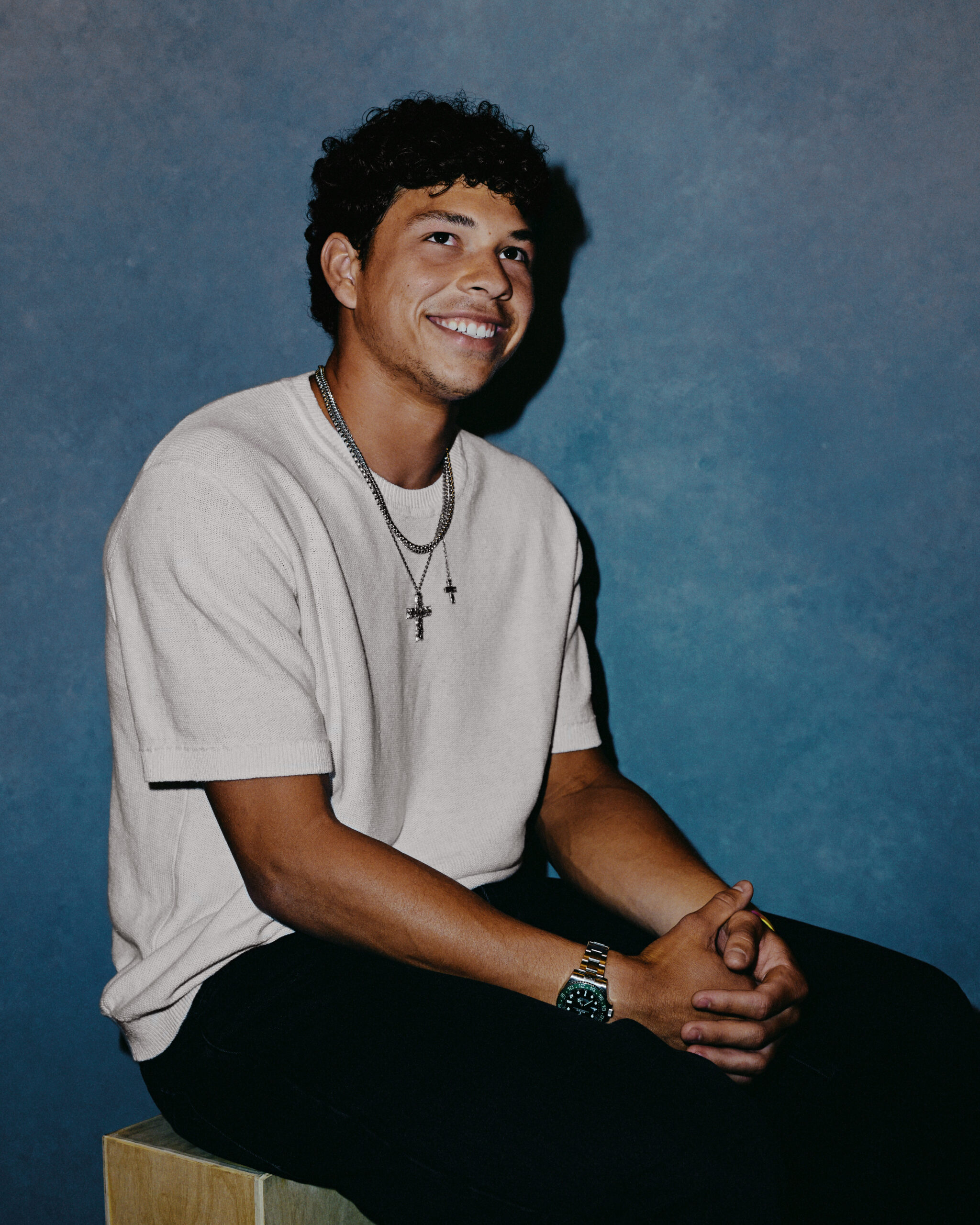
That path led him to the University of Florida instead of the pro circuit at 16 like some of his peers. Shelton doesn’t regret the detour. If anything, he credits college tennis and the grind of SEC competition for the leap that took him from barely making his own lineup to a top-100 player within roughly a year and a half. “When you have that much talent in the same place training together, it’s tough not to improve,” he said. It’s also, notably, the last time in his career he had actual teammates, something he still misses on tour, where, as he put it bluntly, “everyone is completely different” but ultimately, “we’re trying to eat from the same plate.”
Then there’s the business of it all, a subject Shelton clearly thinks about more deliberately than most 23-year-olds holding a racket. He’s not interested in overexposure. “I’m not somebody who really chases money or chases a number of deals,” he said. “I just want to be with few select partners that I believe in the company, they believe in me, and a real authentic partnership.”
But underneath the business talk and the surface preferences and the football nostalgia is something simpler: a guy who genuinely loves competing in front of people. Asked whether he tracks rankings and points the way most pros do, Shelton admitted he barely does. “I have a very developmental mindset,” he said. “I’m not thinking about defending points. I don’t think about the ranking as much… every time I step on the court, I’m giving 100% just because I’m an entertainer. I love playing in front of the fans.”
That’s the throughline of the whole conversation — a player who’s found his favorite stage, built his path his own way, and is walking into another New York night with nothing left to prove to himself, just something left to chase.
Read More:
Red Hook Tavern: Where Billy Durney Wants to Know Your Name
Keanu Reeves’ Next Act Is Built on Two Wheels

The Blueprint: Jessica Holtz Meets the Moment
The Power Broker: Emma Grede Is Just Getting Going

Quiet Power: Imani Ellis on CultureCon, Creators, and Learning to Let Go