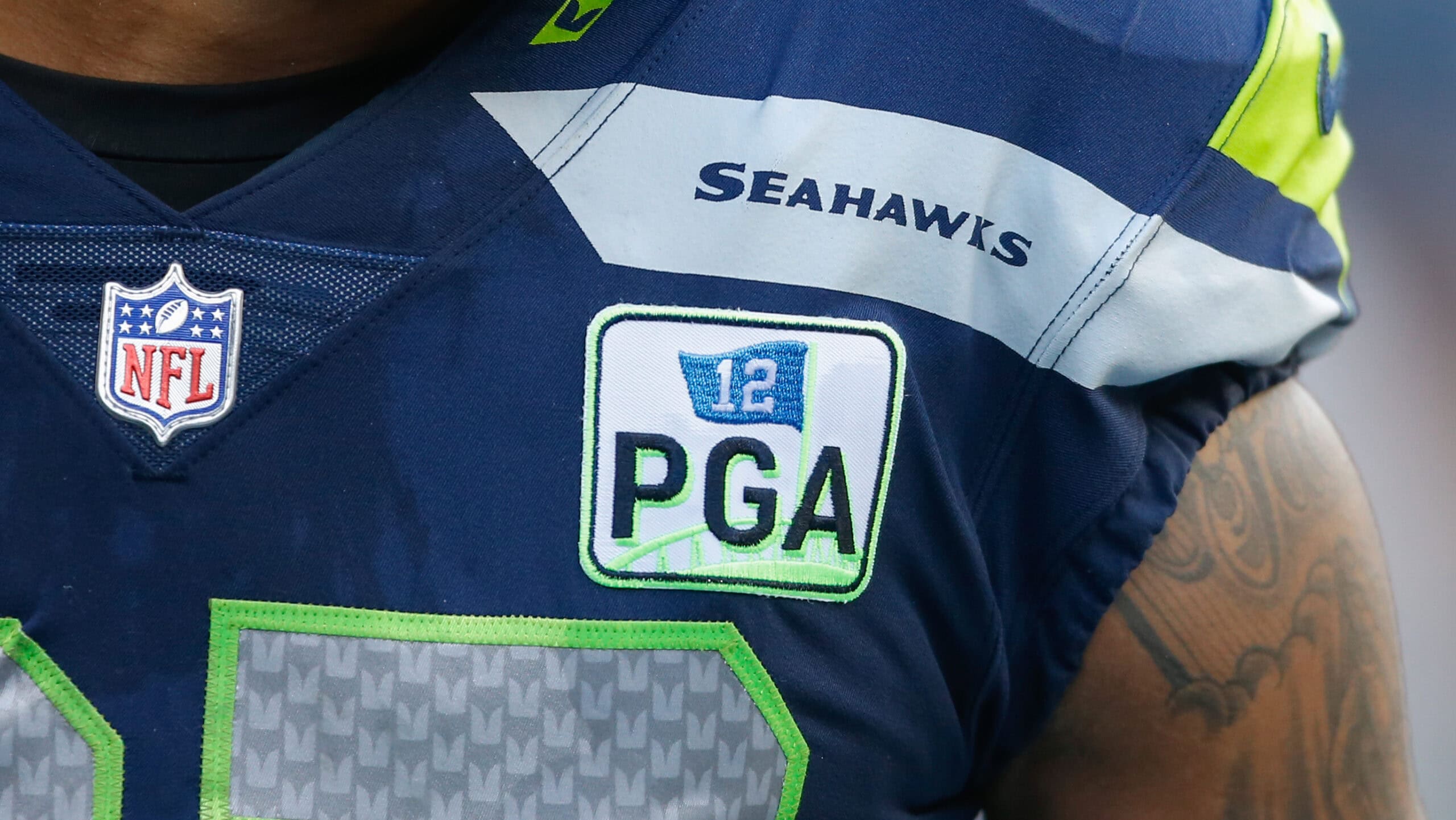
The late Microsoft co-founder’s sister runs the team, but league rules require a living person to eventually take majority ownership.
Microsoft co-founder Paul Allen purchased the Seattle Seahawks in 1997 for roughly $200 million. Twenty-one years later in 2018, Allen passed away from septic shock related to cancer at just 65. As part of his will, Allen’s estate, valued north of $20 billion, mandated that it would eventually sell the Seahawks and the NBA’s Portland Trail Blazers. Proceeds would go to the estate, which would subsequently be donated to various philanthropic causes.
Since 2018, the Seahawks have been run by Allen’s sister Jody on behalf of Paul’s estate. His estate has a vast array of assets all around the world largely under the Vulcan Inc. umbrella, a company founded in 1986 by Allen that manages holdings in real estate, art, music, aerospace and space exploration, underwater sea exploration, technology, philanthropy, cancer research, and various other investment ventures. The estate, Jody said in a rare interview in 2022, could take 10-20 years to unwind because of how complicated it is.
Over the last seven-plus years, the Seahawks have been entrenched in a state of transactional limbo. And now that Seattle is once again going up against the New England Patriots in its fourth Super Bowl appearance, the prospect of a sale is once again under the spotlight. Friday evening, ESPN reported that the Seahawks will go up for sale after Super Bowl LX, a claim Allen’s estate denied.
Technically, the Seahawks’ current ownership structure is against NFL league rules, which say the majority stakeholder is required to be an individual, rather than an estate or trust. The league has grown unhappy with Seattle’s arrangement, according to a Wall Street Journal report, so much so that the league fined the Seahawks $5 million last year for its noncompliance, something a league spokesman denied to the paper.
“I think when Paul Allen passed away, it was made very clear that, as a matter of the trust, that the team would eventually be sold,” NFL Commissioner Roger Goodell told reporters Monday in his annual Super Bowl week press conference. “Jody’s doing a great job of managing the team. They’ve done a really important job in the context of the trust and the execution of that. But eventually the team will need to be sold in accordance with that, that’ll be Jody’s decision when she does that. And we will be supportive of that.”
Intrigued by Seattle’s special ownership structure before these two reports emerged over the weekend, I made a phone call to Gregg Bell, who’s covered the Seahawks for more than 20 years at the Tacoma News-Tribune.
“It’s an odd situation in that we all, out here, know it’s going to be sold,” Bell, the winner of two Washington state sportswriter of the year awards, told Boardroom. “We just don’t know when.”
There was, however, a major sign that a Seahawks sale may be closer than ever before. In September, the estate agreed to sell the Trail Blazers to a group led by Tom Dundon, the majority stakeholder of the NHL’s Carolina Hurricanes, for $4 billion. While the sale hasn’t yet closed, it’s expected to become official in the coming months.
When Bell last asked a Vulcan spokesperson a couple of years ago when a Seahawks sale should be expected, he was told it would happen within 5-10 years—a timeline that may or may not now be accelerated. Adding to the intrigue and uncertainty is that Vulcan, the estate, and Jody Allen rarely speak about the eventual sale and are seldom seen in public. Bell sees her perhaps once or twice a year at the team facility before the season. Jody did not appear at her team’s Super Bowl media day on Monday, though certain team owners in past Super Bowls have made themselves available to answer questions from the press.
“They keep her pretty secluded because they don’t want us to talk to her,” he said. “I don’t know if I’ve ever seen her in the locker room. They keep her away from us.”
While Allen’s aversion to appearing in public makes it harder to determine when the Seahawks will be sold, her hands-off management style, following her late brother’s example, has been an asset to the team on the field. She lets the football people run the football operations.
“She’s not Jerry Jones in the locker room doing press conferences or even Robert Kraft’s involvement,” Bell said. “It’s ‘who are you going to draft? Tell me why you want to sign Sam Arnold to a $100 million contract. Tell me why you want to trade Russell Wilson.’ But the football people, John Schneider the general manager and Mike McDonald the head coach, they run the team without ownership interference. And that’s not always the case in the NFL.”
Jody was front and center on stage at Seattle’s Lumen Field last weekend when the Seahawks won the NFC championship game over the LA Rams, accepting and hoisting the George Halas Trophy as winners of the conference. Bell said it was her most visible moment in her tenure running the team. And if they defeat New England on Sunday, Jody will be on stage at Levi’s Stadium accepting the franchise’s second ever Lombardi Trophy, with more than 100 million people around the world watching her every move and mannerism. And while it would be a powerful moment for the team and the city of Seattle, Jody Allen is still a mere steward of the estate, which renders her powerless in determining when the Seahawks eventually get sold.
“When the estate comes around and says, ‘you got to sell the team,’ she has to sell the team,” Bell said. “Her job is to carry out the will of the estate.”
If the team is indeed put up for sale after the Super Bowl, reports estimate that the team could go for $8 billion, which would shatter the NFL team sale record set in 2023 when a group led by Josh Harris bought a majority stake in the Washington Commanders for $6.05 billion. But it may not necessarily mark the end of Jody Allen’s tenure running the team. Bell discussed a rumor where Allen and a bunch of her affluent friends at Seattle-based companies Microsoft and Amazon coming in and buying the team from her brother’s trust. And given Jeff Bezos‘ ties to the city, he may be a strong suitor as well when the Seahawks are eventually put up for sale.
So, when more than 100 million fans tune in to watch Super Bowl LX, one of the teams playing will be owned by a man who’s been dead for nearly a decade. And whether the Seahawks sell in one week or five years, the decision is completely out of the hands of the woman in charge of the franchise. Time will tell if pressure from the NFL has the power and ability to accelerate the timeline of a multi-billion-dollar process that until just recently has been taking place entirely behind closed doors.
How Michael D. Ratner Built OBB Media Into One of Hollywood’s Quiet Powerhouses

Interview: Chase B Joins Lids as Creative Director to Expand the Brand’s Cultural Reach

Aaron Judge and Kevin Durant Share Team USA Pride: ‘It’s Everything’

The Butterfly Effect: How Every Bad Oscar Decision Leads to the Next One

Interview: Paige Spiranac and Pro Shop Are Building Something Bigger Than a Personal Brand