
Boardroom talks to co-Presidents Will Funk and Greg Luckman, who detail how Range Sports transforms talent into significant personalities and moves beyond traditional endorsement deals.
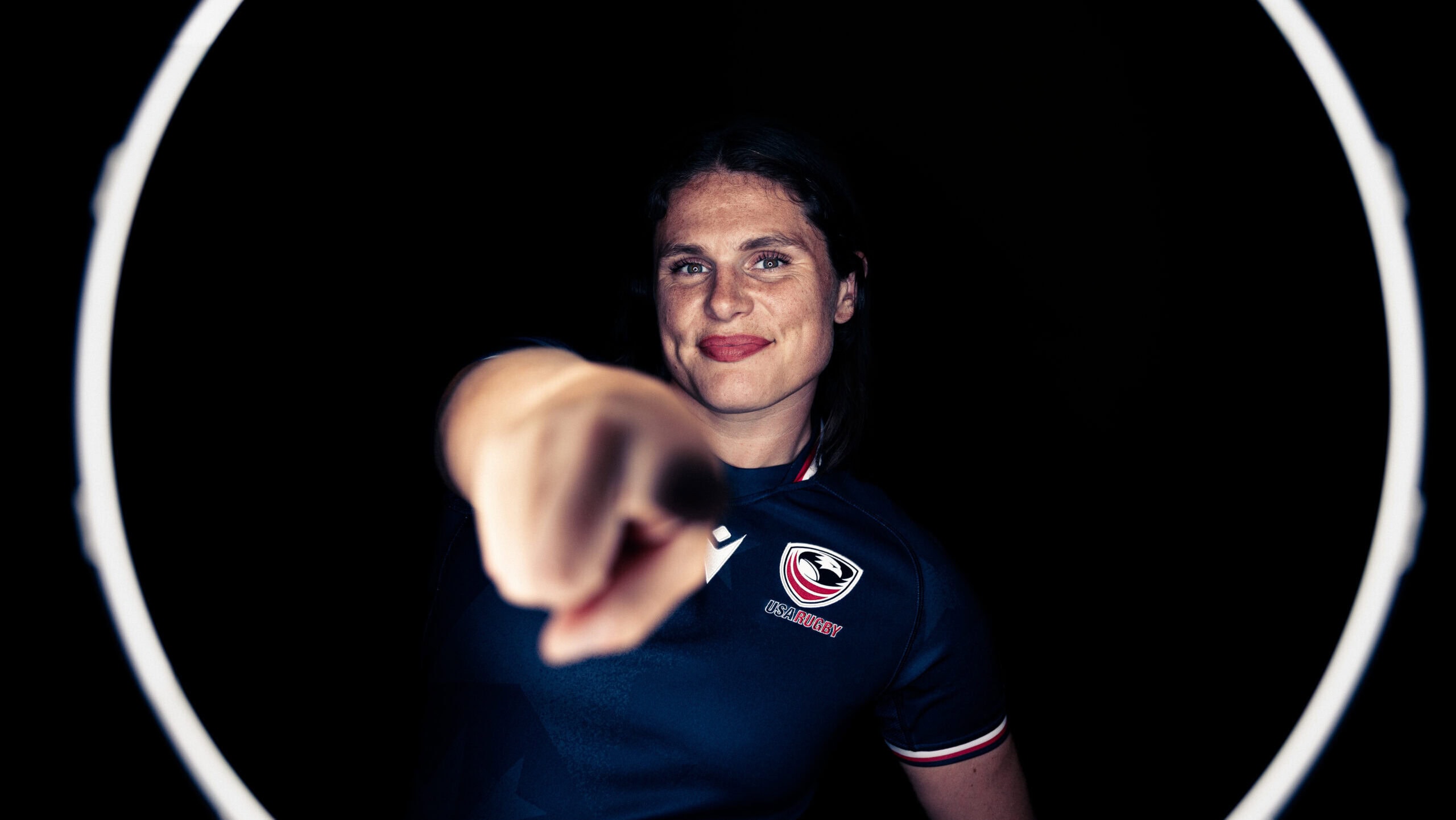
When we first met Ilona Maher, she was a rising rugby talent stepping onto the world stage during her Olympic debut for Team USA in 2020. In the years since, Maher has transformed from a standout athlete into a bona fide star whose impact reaches far beyond the pitch. Now one of the most recognizable faces in her sport, she’s built an impressive roster of brand partnerships, grown a loyal digital following, and even launched a podcast alongside her sisters—all while continuing to elevate rugby’s profile in the United States.
That level of visibility isn’t accidental — it’s by design. Behind Maher’s meteoric rise is Range Sports, the powerhouse representation, marketing, and production firm that recognized her unique potential early on and mapped out a lane where she could truly thrive. With a sharp understanding of both the modern athlete and contemporary audience, Range Sports has helped shape Maher’s multifaceted brand while delivering similar breakout moments for other Olympians and a wide roster of professional athletes.
Range Sports operates as the sports division of Range Media Partners, the talent-management start-up founded in 2020 by seasoned industry leader and CAA alumnus Peter Micelli and a group of other founding partners. At the helm are Will Funk and Greg Luckman, who serve as co-presidents. The duo has decades of experience in sports marketing: Funk previously helped manage ad sales for March Madness at Turner Sports, and Luckman helped launch the brand consulting unit at CAA Sports and served as the department’s global head.
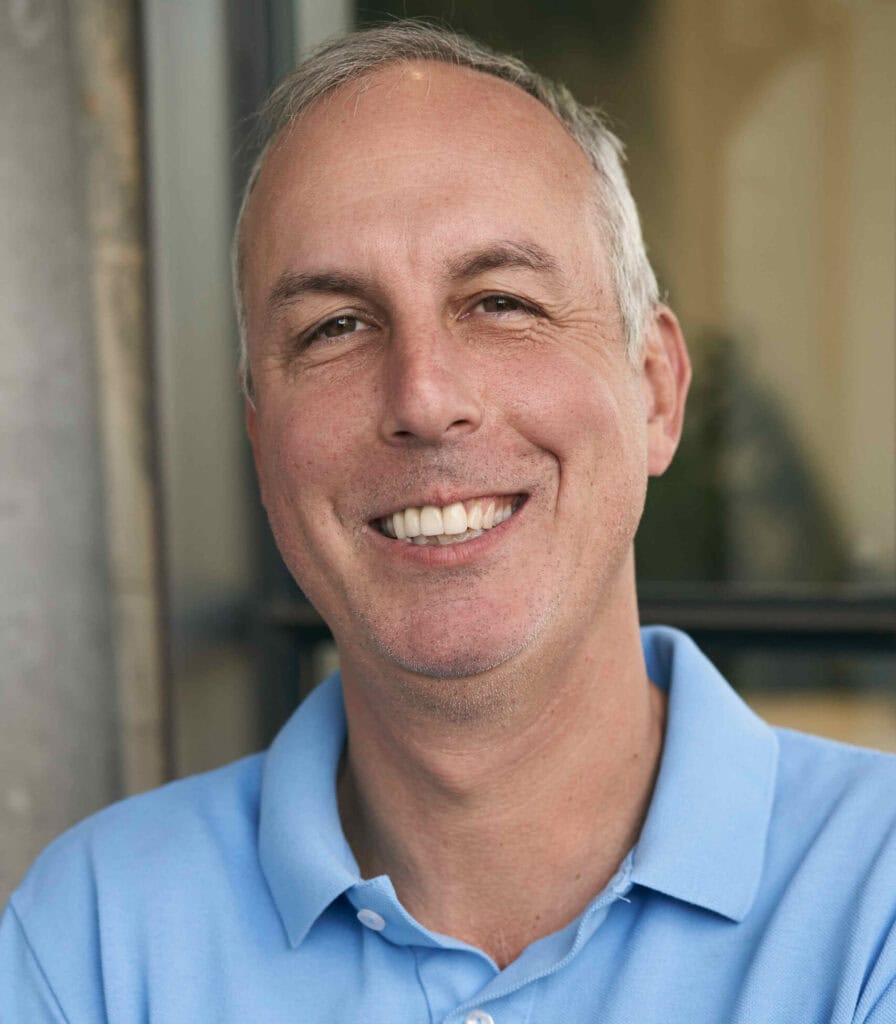
Launching Range Sports meant stepping into a start-up mindset within the walls of Range Media Partners, but for Funk and Luckman, what might look like a risk from the outside felt far more like a rare opportunity. The company’s leadership — originally assembled five years ago — was a major factor in that confidence. The founding partners had already established a reputation for vision and excellence, making the decision to build a new division under their umbrella an easy one. As they tell it, creating something new inside an established firm is never without uncertainty, but they viewed it as a chance to shape the future of athlete representation.
Building the Clientele
With an eye for identifying generational talent, the question naturally arises: How do Funk and Luckman align their all-star staff with their clients? It begins with a “less is more” mentality.
“When we’re looking at potential clients and their businesses, it’s more about do we feel like they’ll be able to benefit from the full stack of the Range services in our platform,” Luckman explained. After all, the name Range Sports comes from helping clients unlock their full range of potential.
“So whether it’s an established celebrity, athlete, or someone we think is emerging,” he continued, “we are looking for: Are they going to really be able to take advantage of what we can do by surrounding them with our full company resources? And that’s not for everyone. So we’re very selective about who we represent, and then we build the right team around them.”
Looking back at Range Sports’ evolution, one thing becomes clear: The team has consistently excelled at identifying gaps within the broader talent and media landscape, an instinct for talent to content to commerce.
“Athletes in particular are their own media properties. They have accessibility through social media, and there’s a lot more direct-to-consumer interaction,” Luckman pointed out. “So they’re building their community through content, and it’s our job to help them monetize that. And that’s the commerce piece of it. I think the other part of it is that each one of them is different. So it requires a prioritization or a customization of how you’re servicing them.”
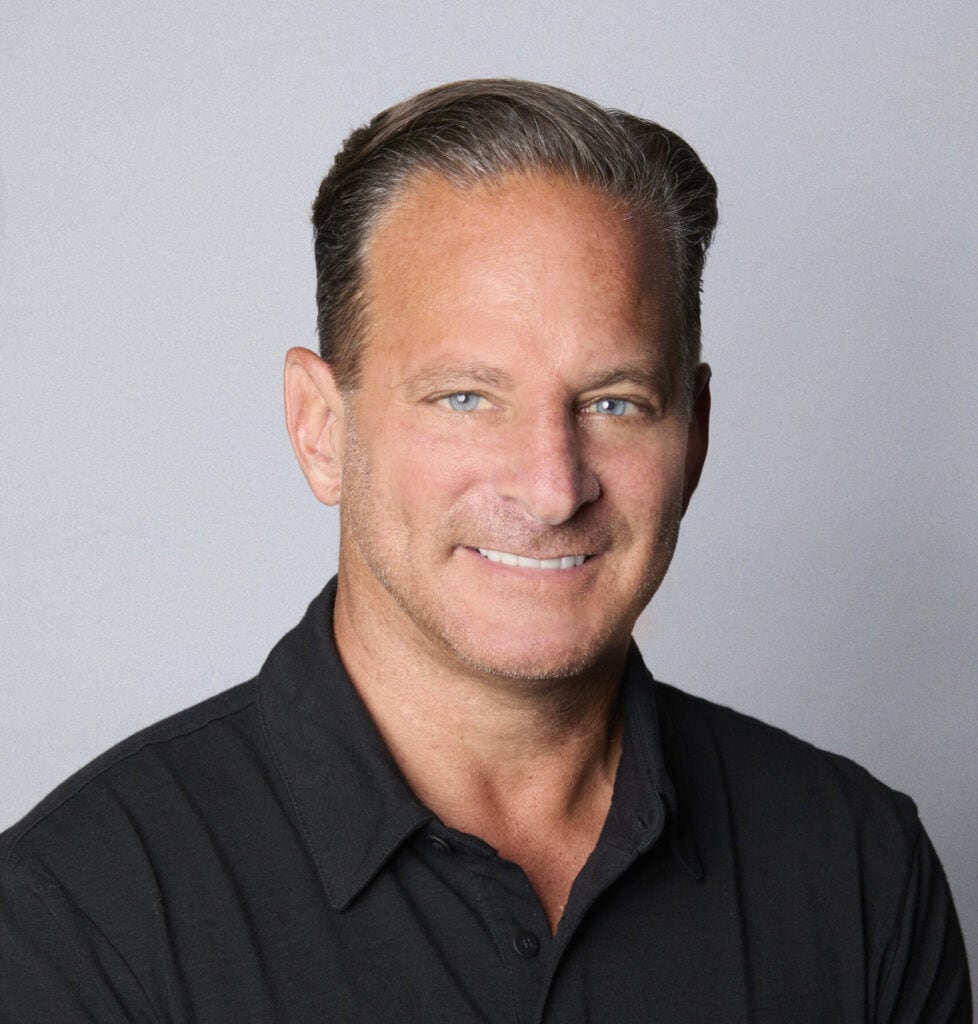
Funk added: “In terms of how we identify those clients, it is not necessarily going after the biggest name or someone with the largest social following. We do a lot of research, data, and analytics to identify talent that might’ve been overlooked by some of the bigger agencies, but we know they have enormous potential. And I think we have a multitude of examples of talent that probably wasn’t on the broader radar that we identified early on and have been able to cultivate them into very significant personalities.”
Who are those personalities, in addition to Maher, who have benefited from the Range Sports treatment? San Francisco 49ers QB Brock Purdy, five-time Olympic medalist Gabby Thomas, and two-time Paralympic medalist Ali Truwit, whom Luckman referred to as inspirational.
“She was a swimmer at Yale and had a terrible tragedy, a shark attack, and lost part of her leg. Less than a year later, [she] won two silver medals at the Paralympics. She definitely wasn’t on people’s radar. But now we put her in SI Swimsuit, she’s a motivational speaker, and started her Stronger Than You Think Foundation. For us, there isn’t one size fits all. Again, it’s who do we feel like we can surround them with the full power to unlock their potential.”
Thomas also embodies the aforementioned qualities Range Sports looks for in a partner. Apart from being dynamic and remarkably relatable, fans are drawn to her Harvard-educated background and ability to make track and field feel engaging outside the Olympic spotlight. As they explain, anyone who meets Thomas immediately feels her energy; she’s electric in a way that doesn’t need translating. But her rise wasn’t simply a matter of talent or academic pedigree. In fact, Funk, Luckman, and Range Sports exist to only amplify her platform, not force her to choose a specific interest to focus her attention.
“We have a medical research company that is aligned with her,” said Funk. “We have Athlos, Alexis Ohanian’s new track league. She’s the face of that league and a partner with Alexis. Those are not just partnerships and brand deals; they’re much bigger relationships that we’ve been able to work with her team to put together.”
Maher has become one of Range Sports’ most vivid proof points—an athlete whose rise illustrates exactly what happens when talent is surrounded by the full weight of the company’s resources. As the two explain, Maher entered the last Olympics with roughly half a million Instagram followers and emerged with nearly five million. Her appeal wasn’t just tied to her performance on the field; it was the way she embodied confidence, humor, vulnerability, and body positivity.
Once she started working with Range Sports, that momentum accelerated. Soon, the 29-year-old was a runner-up on Dancing With the Stars, landing multiple SI Swimsuit digital covers, and securing a slate of authentic brand partnerships. Range also helped broker a podcast with her sisters and a forthcoming docuseries co-produced by Range Sports and Reese Witherspoon’s Hello Sunshine production arm. For the company, Maher represents what happens when all its capabilities — creative, commercial, strategic — activate around a single athlete.
But Funk is quick to note that not every client needs every vertical at every stage of their career. “We also have athletes that are very focused with on-field performance, and some of those things are less important at this time juncture of their career. They become much more important as they get to the end of their career. So to have that waiting for them and those services available, I think is very attractive from a talent standpoint.”
A fitting example of that is veteran sportscaster Jim Rome. For decades, Rome thrived in the traditional media landscape, hosting a three-hour daily radio show while simulcasting the video feed on CBS Sports Network. When he signed with Range Sports, the team saw an opportunity to rethink his distribution model from the ground up. They reclaimed rights to his video show, brought production in-house through Range Studios, and shifted the program to X, along with 10 FAST channels across platforms like Roku, Amazon, Samsung, and Vizio. The transformation didn’t just expand his audience; it turned Rome into an owner of his content rather than a renter of airtime.
More of a Lifestyle
For the team at Range Sports, the line between work and life isn’t so much blurred as it is intentionally integrated. “It’s not a job, it’s a lifestyle,” says Funk. “It’s 24/7. If someone needs help, whether it’s an employee or a client we represent, you’re always on. But it is important to try and take some blocks of time for ourselves. Those sorts of things are super important, but the truth is that it is a 24/7 lifestyle. It’s very fun, it’s highly competitive, and so you’re going to have wins and losses. The key is not to get too high on the wins or too low on the losses because they’re both going to happen, and on a daily basis, we’re in competitive situations.”
Equally critical is the culture there, which the team treats with the same intentionality as a client relationship. “You wouldn’t dismiss it, you’re going to prioritize it,” Luckman adds. “That’s very, very important, especially in the early years of building something, to lay the foundation. When you have a culture where everyone knows where we’re headed, we’re all in it together, everyone has their best intentions, then during those tough days, I can lean on my partner Will or any of our other colleagues and kind of be open and vulnerable, and they can step up for me and vice versa. So I really do think that culture comes into play more during the tough times than when everything’s hitting on all cylinders.”
Looking ahead, Range Sports sees the media landscape evolving at rapid speed, driven by technology, social platforms, and shifting business models. Traditional structures are consolidating, with major players like Warner Bros. Discovery, Paramount, and Skydance reshaping how sports content is produced, distributed, and monetized. For Range Sports, staying ahead means understanding these shifts at a granular level—from the macro dynamics of sports rights to the micro details of content distribution—and advising clients accordingly.
It’s not just about athletes. Range also works with teams, leagues, and corporate brands, helping them understand media rights, sponsorships, and even develop their own in-house content capabilities. “Brands can become their own studio,” Luckman notes. Across the board, the key is speed and adaptability: whether representing an athlete, a property, or a brand, the company aims to position its clients for success in a landscape where the rules are constantly changing and the opportunity is only limited by imagination. Luckman even teased that the company is also setting its sights on ownership and intellectual property. Beyond representing talent and advising on media and sponsorship agreements, the company plans to take stakes in the very properties it serves, creating a deeper level of investment and influence in the sports and media ecosystem.
When asked about the best part of their work, both Funk and Luckman point to the human side of the business. “My favorite part is getting to spend time with people,” Funk explains. From colleagues in offices across the country to the athletes and clients they represent, it’s the personal connections that make the work meaningful. “I love nothing more than being out at a game, seeing a player after a game, going to a golf tournament, having dinner with our players. To me, those relationships are special, and that’s how you learn and grow.”
Equally, the culture at Range is a highlight. “I love building something that didn’t exist a few years ago,” added Luckman, emphasizing the company’s rapid growth and shared vision for the future. “That concept in basketball, we’re sharing wins together as a team. It’s not just about who actually put the ball in the hoop. It’s all the preparation and work that led up to that assist, and we’re constantly shining a light on that. So this culture of rewarding the assist makes it really, really fun to build something with these people in it together.”
Read More:
Aaron Judge Names Jazz Chisholm, Austin Wells, Ryan McMahon as Yankees X-Factors

Aaron Judge Emulated His Game After Barry Bonds, Albert Pujols, Miguel Cabrera

Aaron Judge Opens Up to Kevin Durant on Yankees Expectations, MVP Mindset & MLB Journey
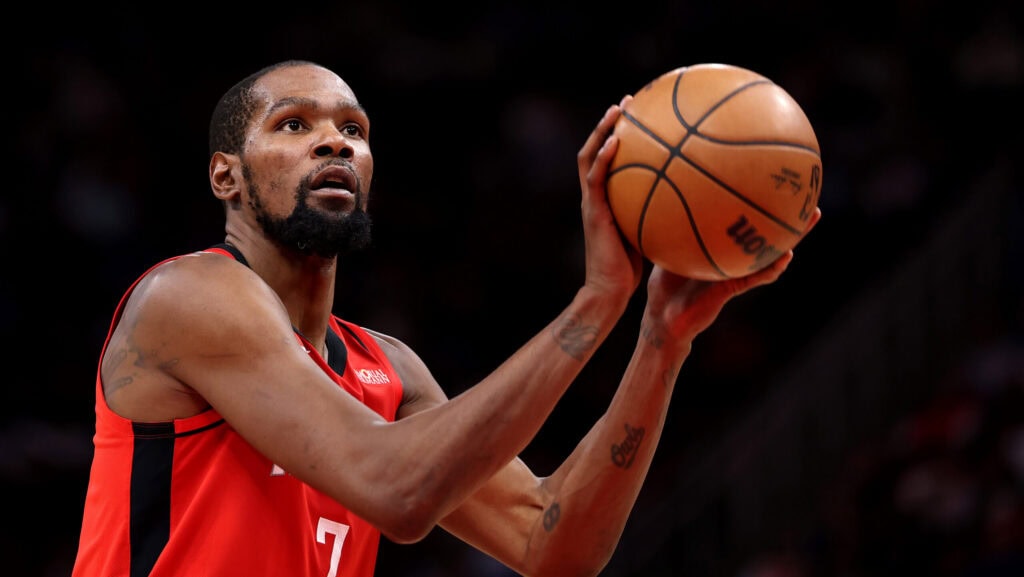
Kevin Durant Reflects on a Life Centered Around Basketball
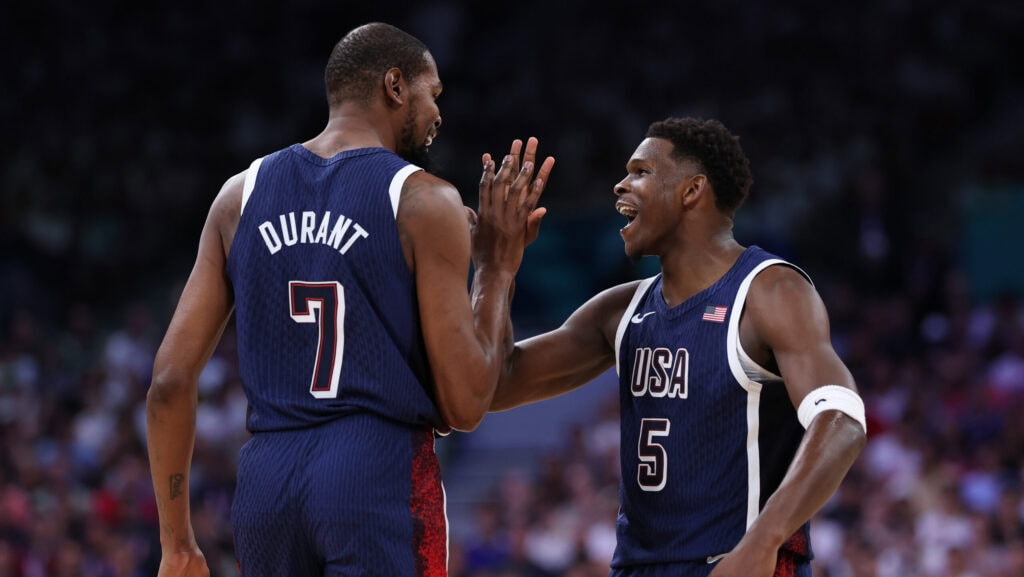
Kevin Durant Looks at Anthony Edwards, Luka Dončić as Next All-Time Scoring Threats