Super Bowl LX doubled as a media summit, with top executives positioning themselves for the NFL’s next media rights deal, which could be worth up to $200 billion.
While the Seattle Seahawks‘ defense pulverized Drake Maye and the New England Patriots on their way to a convincing 29-13 victory in Super Bowl LX on Sunday from Levi’s Stadium in Santa Clara, a battle nearly as massive was ongoing upstairs in the luxury suites that could help alter the future of the NFL.
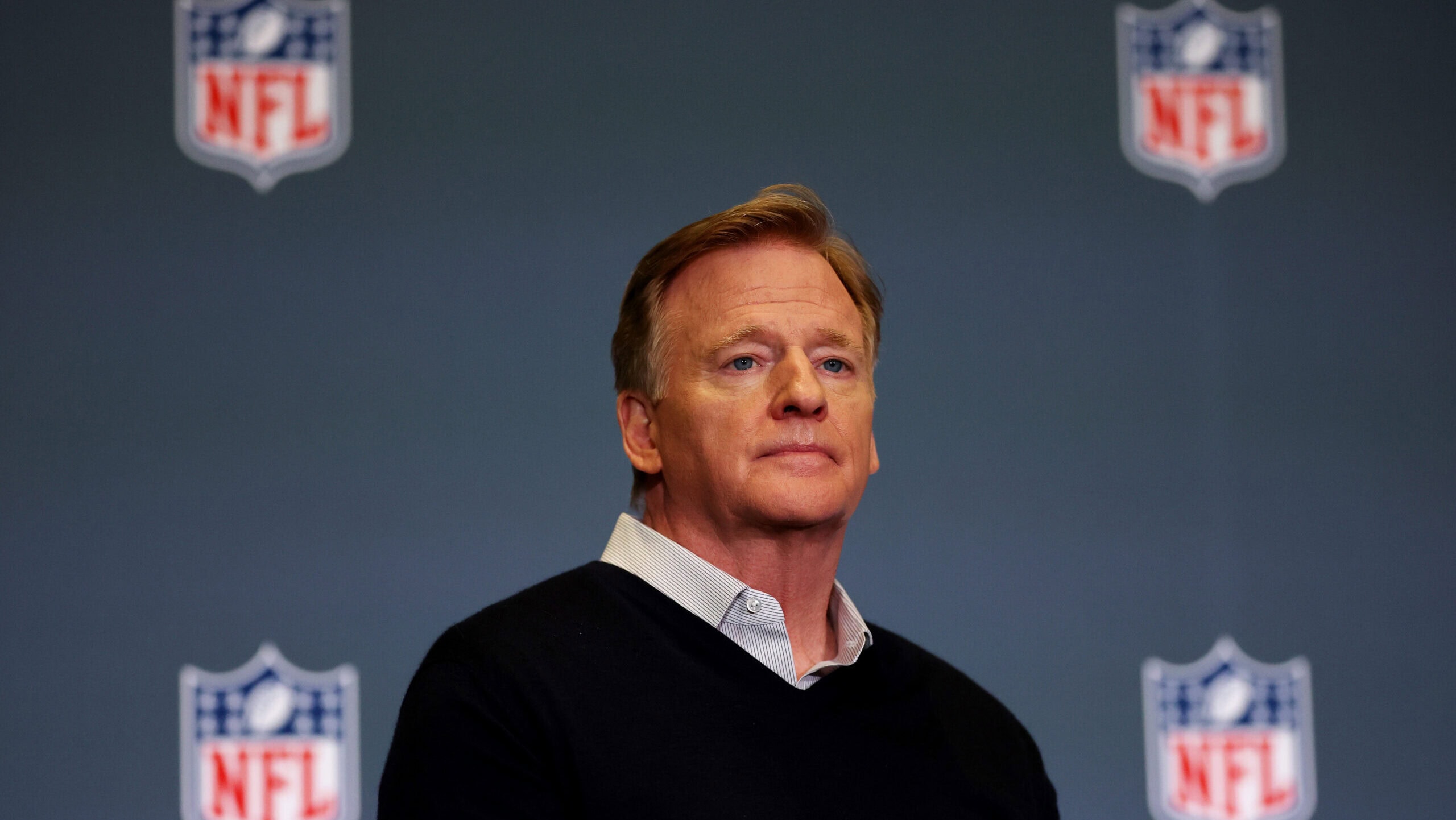
The CEOs of Google, YouTube, Paramount, Netflix, and Disney’s incoming lead executive were all spotted in commissioner Roger Goodell’s box as discussions heat up over the NFL’s next media rights deal. The current agreement with CBS, Fox, NBC, ESPN, and Amazon is an 11-year, $110 billion contract signed in 2021 that technically runs to 2033, but the league has an opt-out in 2029 that it will almost certainly exercise, aside from its ESPN deal that has a 2030 opt-out.
“As we look around at the incredible viewership we had this year, and we look at this sports rights marketplace, we think the value of N.F.L. rights have only increased,” Hans Schroeder, the league’s executive vice president of media distribution, told The New York Times last week.
So, even though we’re three years out from the next contract, the jockeying and positioning are already well underway as the next rights contract approaches $150-200 billion.
“We really value our partnership with the NFL. Everything we’ve done with them so far has been really successful,” Christian Oestlien, YouTube’s vice president of subscription products, told Bloomberg over the weekend. “And so we’re very excited about the idea that we could be doing more with them.”
YouTube exclusively streamed last year’s Los Angeles Chargers–Kansas City Chiefs game in Week 1 from São Paolo, Brazil, and will exclusively broadcast the Dallas Cowboys‘ game from Rio de Janeiro in 2026. YouTube took over the rights to the NFL Sunday Ticket package in 2023 and could pose a major threat to take one of the major Sunday afternoon packages from Fox or CBS/Paramount.
At its quarterly earnings report news conference last week, Fox CEO Lachlan Murdoch said he’d be willing to offload other sports to keep the NFL, which will want significantly more than the $2.25 billion per year it currently pays for the Sunday NFC-focused package it’s held since 1994.
“We have the ability to offset a portion of any kind of cost increases because we look at our sports portfolio as a whole,” Murdoch said. “We would certainly consider balancing or rebalancing our portfolio as we move forward, when those opportunities become available.”
After Fox let the FIFA Women’s World Cup media rights go to Netflix for 2027 and 2031, will the network have to let the men’s tournament also go elsewhere in order to keep the NFL? Fox’s MLB media rights deal coincidentally runs out after 2028, just before the expected next NFL contract. Will Fox, the home of every World Series since 2000, risk losing baseball to keep the NFL?
CBS and Paramount just paid the UFC $7.7 billion over seven years for its broadcast rights, making it appear likely that it will meet the NFL’s asking price to keep the AFC-focused package it has held since 1998.
“As soon as they indicate they want to sit down and have a legit conversation about the future,” CBS president David Berson told the Times, “we’ll be excited to sit down and have those conversations and figure out how we can further strengthen the partnership.”
ESPN and Disney only strengthened their relationship with the NFL after U.S. regulators recently approved the deal that gave the league a roughly 10% stake in ESPN in exchange for the NFL Network, RedZone, and three extra games per season previously exclusive to NFLN. While it doesn’t officially give Disney an advantage in securing a spot in the next rights deal, it would certainly appear to place a finger on the proverbial scale.
Another major way the NFL could significantly increase its national TV revenue is by expanding its inventory. The league hasn’t set a date for Super Bowl LXII in Atlanta in 2028, leaving open the possibility that the NFL will try to set an 18-game regular-season schedule for the 2027 season. The NFL eventually wants every team to play an international game each season, which could be an entirely separate package to sell to all those executives in Goodell’s box, desperate and hungry for a piece of the football pie in the 2030s.
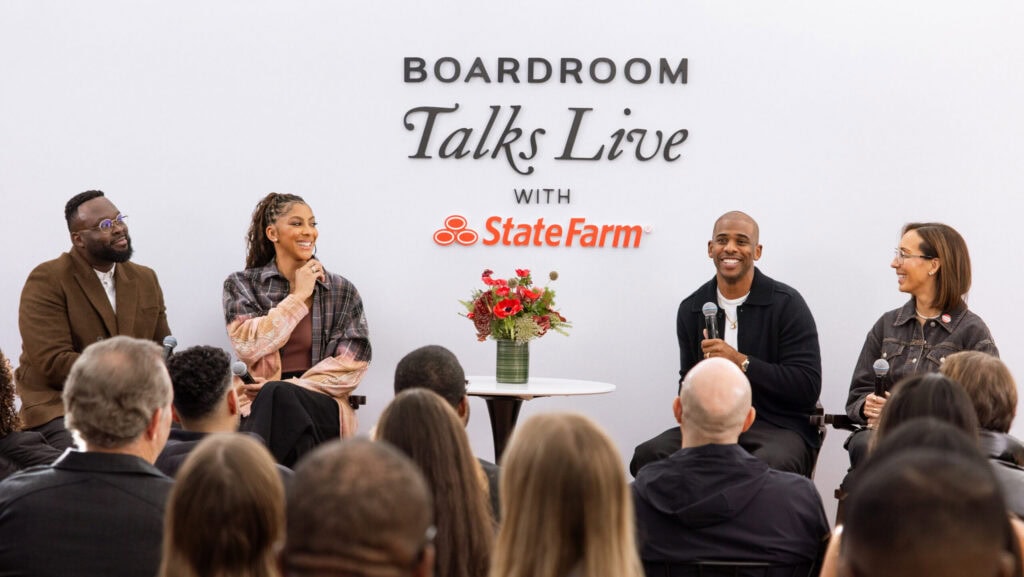
During our Boardroom Talks conversation in the fall, former NFLPA executive director DeMaurice Smith described the NFL’s media rights strategy as “happy to leave everybody else in the cold, fighting for what’s left. They think of it as, ‘first of all, I know you’re going to lose money on football because every media company loses money on football. Everyone.’ And if you don’t have football as a staple of your network, you’re not going to be a network for long.”
Seattle dominated the line of scrimmage. Upstairs in the luxury suites, the NFL dominated the room. In a marketplace where every network can’t afford to lose football, the league remains the ultimate power broker, happy to let the industry fight for what’s left, knowing the crown jewel still runs through the shield.
Read More:

Now That Paramount Has Outbid Netflix, What’s the Plan for Warner Bros.?

Inside the Making of the Coolest Golf Collab of the Year (So Far)

Shaun White’s Second Act: Redefining the Business of Snowboarding
Beyond the Game: Chris Paul, Candace Parker, and Kristyn Cook on Legacy & Leadership
Floyd Mayweather-Manny Pacquiao Set For Rematch on Netflix