
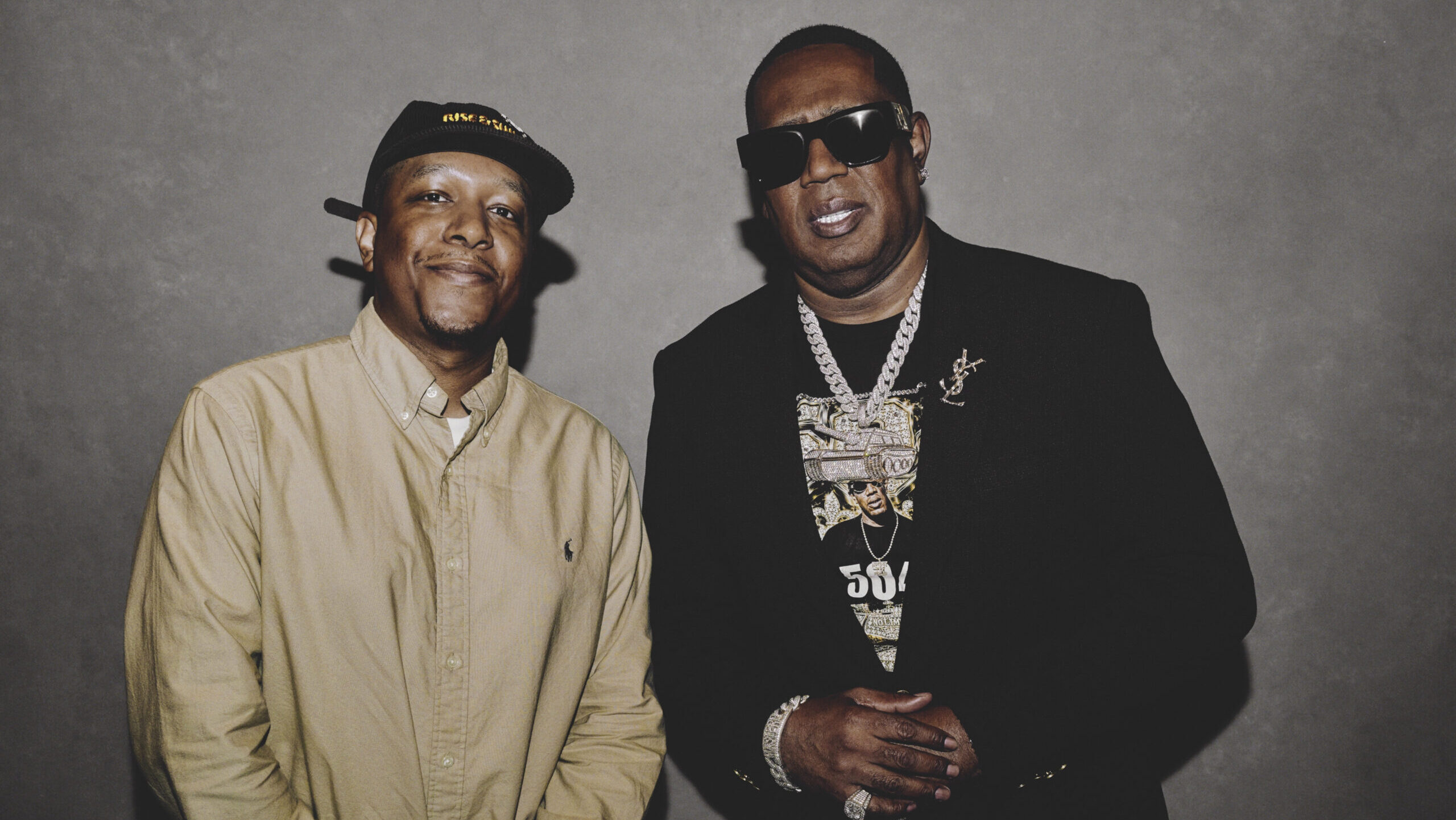
Master P sits down for the latest episode of Boardroom’s On Record to break down the stories behind his classic album and the moves that helped him build one of hip-hop’s most influential independent empires.
This story appeared in Boardroom’s Fall Issue print magazine and has been adapted for online publication.
In the preface to Transit of Venus, a posthumous book of poems by Harry Crosby, Nobel laureate T.S. Eliot dropped one of his most enduring lines: “Only those who will risk going too far can possibly find out how far one can go.” It’s one of those statements that make you think duh, but talk to enough legends, regardless of their field, and you’ll find that they adhere to the sentiment. Things don’t change unless you change them. Master P knows that. Born Percy Robert Miller, the New Orleans rap legend who founded No Limit Records in 1990, is best known for the crazy Pen & Pixel album covers, iced-out tanks, and operating in ways no one at the time could have imagined. When most rappers were striving to land favorable deals, he bucked the norm by securing a distribution deal that even the King of Pop couldn’t get.
At a time when rap was still heavily regional, and most fans only looked to the coasts for avant-garde hip-hop, Master P and his No Limit Soldiers built an empire in the South that few — even their crosstown rivals, Cash Money Records — could touch. To many (P included), the apogee of that run was 1998, a year in which the label dropped 23 albums, including Master P’s supposed double-disc swan song, MP Da Last Don. The album had a cover that shifted depending on the way the light hit it. It went No. 1, sold 500,000 copies its first week, and went four times platinum. He mastered it in the same room in Los Angeles where Michael Jackson mastered some of his hits, and he stayed two weeks getting it right while his own label was shipping records at a pace that still sounds made up. And he decided the album was also a movie, literally, then talked record stores into selling it alongside the CDs.
All of this was happening while he was attempting to land a spot on an NBA team and managing a roster of burgeoning and established superstars. Let’s not forget that he broke Snoop Dogg out of his Death Row deal and helped put him on the path to being the multihyphenate superstar that we now see hosting the Olympics and selling us crypto.
So, how does a kid from the Calliope Projects end up one of the most important impresarios in rap history? One who is just as comfortable talking about generational wealth, mental health, and Black Wall Street in the same breath as bars and beats? According to P, it runs back through a grandfather who told him to raise his own army, a rhyming homeless man, and a long habit of betting on himself when the smart money said maybe you should chill.
Before he embarked on a national tour with his No Limit family and Bryan “Birdman” Williams and the Cash Money Records crew on September 11, 2026, he sat down with Boardroom to talk about his favorite album in his discography and what he hopes a generation took from it. The TLDR? Keep going. If he did it, so can you.
This interview has been edited for clarity and length.
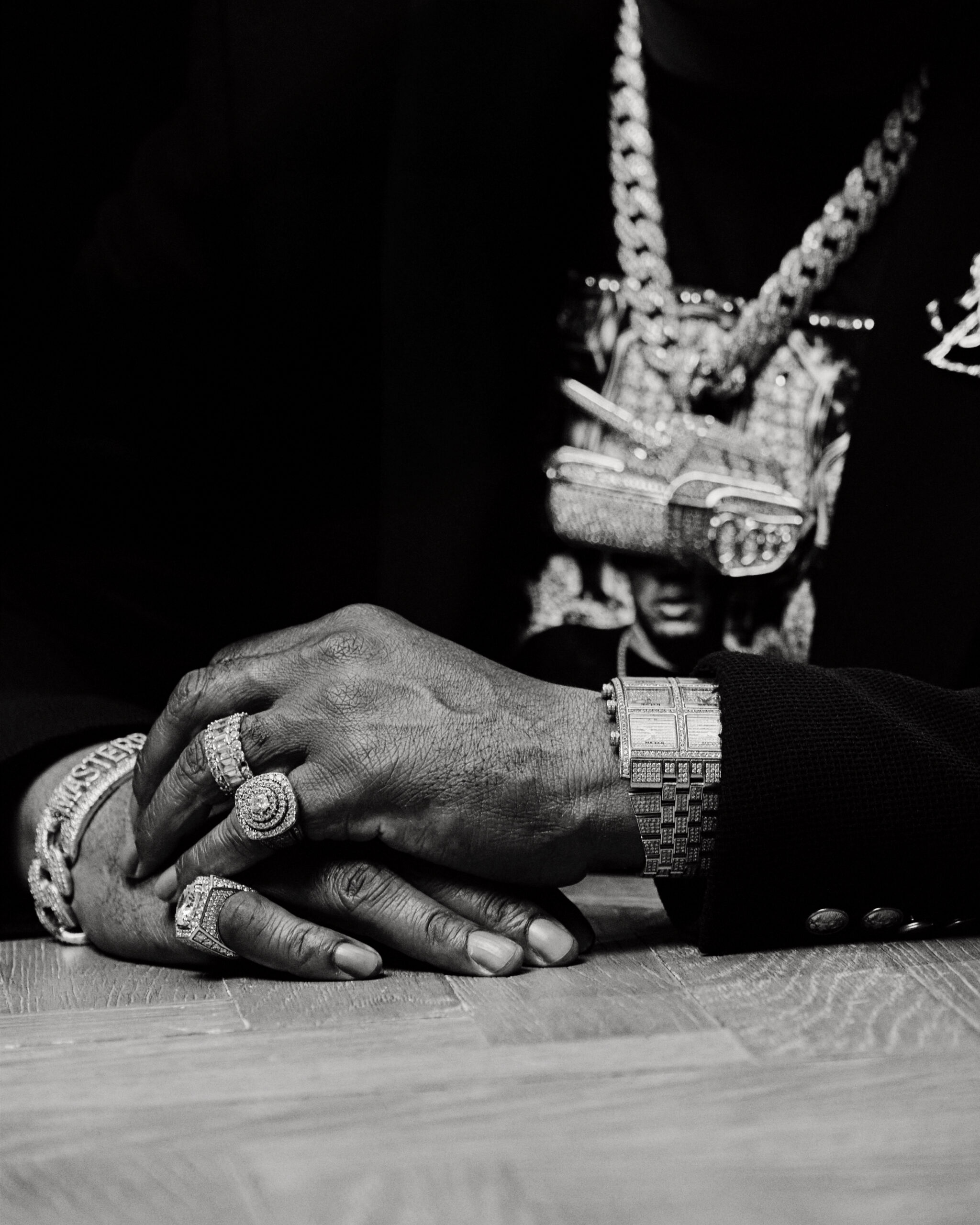
Boardroom: You have a pretty big fall and winter lined up. You’re going on tour with Cash Money. What brought this about?
Master P: I think us growing. Time. Letting God do what he do. And to have the Magnolia and the Calliope [New Orleans housing projects where the founders of Cash Money Records and No Limit Records were raised, respectively] all in one place at one time, it’s gonna be incredible. This concert is bigger than just going on tour. We bringing awareness to mental health. And I think a lot of people deal with mental health, but nobody say nothing about it. This tour is about making a difference.
What would success look like for you after the tour?
Being able to keep bringing awareness to mental health and just showing the next generation how important peace is. And showing them all the records we sold; we sold 100 million records, [Cash Money Records] sold so many records [two billion units] and us being able to say, You know what? Let’s unite. We are stronger together. Let’s do this for the culture. And then getting the whole world to step back out into their camouflage. One more time for the streets. It’s gonna be like a soldier masquerade.
I’ve seen this happen before with artists; they go through their career and then they try to inform the youth about the mistakes that they’ve made. How can you be more effective at getting that message to a younger generation?
I know that we all go through phases in life. So I’ve been doing this for 30 years, and they know that I’m a living testimony that if you do the right thing you can survive this. You can be successful. Look at Snoop. Snoop came through the University of No Limit and he went from being one of the greatest students to one of the biggest bosses in the game now. And taking that advice, being able to listen, growing, and letting God lead you on the journey.
That’s all we could do: give the ones that want the advice and the ones that wanna change and grow. That’s what it took for me. I had to see somebody go through something and say, Hey, I don’t wanna go through that. I saw somebody be successful and say, Hey, that’s what I wanna do. So hopefully we inspire the next generation. I tell people all the time that the turtle always wins. You don’t have to be the fastest one. I didn’t just jump out and I was successful.
But if we go back to 1998, it’s crazy the speed at which you guys were doing everything.
But we still was moving like the turtle. While everybody was running, sprinting, it’s a marathon. I was just going, going, going, going at my own pace. Which might have seemed fast to some people, but to me it was going like the turtle.
Is there an album your setlist for the tour pulls from most?
Da Last Don is a lot of [the setlist]. It’s been 20 years.
28.
28. Wow.
Why is that the album you’re drawn to after all these years?
For me, it was not just an album, but it was a movie at the same time. A real movie. Where people don’t realize I played this basketball coach and then my dad was this kingpin. Then he died and I took over the family business. But I just wanted to show people that you could use your imagination. And not only were we making music, we were making movies. Nowadays, a lot of people are doing that because everything is visual, but back then nobody was doing that.
You were making music and then the movies were like billboards for the music. And then you had actual billboards…and in the records, you had more advertisements. Everything was about marketing.
Everything was about marketing. But Da Last Don came from me looking at all these Scarface, Godfather movies. But you never saw a Black person running [a mainstream gangster] movie. And I’m like, Nah, I gotta change that in the hip-hop scene, because that’s all we was watching back then. These movies influence our culture, but none of us owned any of them or none of us starred in them until later when Denzel Washington played Frank Lucas.
That’s a theme that runs through a number of the songs, this idea that Black people are consumers of an industry that they don’t control, that they don’t particularly have that much vested interest in.
Yes. I was rapping about it cause it was real. And nobody was expressing that, because they didn’t understand it, because they wasn’t at that success level or they didn’t know what came with success. Because it wasn’t too much ownership. And so with me having an 85/15 deal [with Priority Records], which was unheard of, and being able to sign Snoop…. Black kids weren’t seeing that type of operation. And so I wanted to show them like, if I could do it, you could do it. We need to create more of me. And that’s what I wanted to happen. I wanted to see more, not just me.
There’s the famous Tommy Hilfiger line on the Da Last Don album where you say something to the effect of, “They can market to us but we don’t actually [own] any of that.” At that time, was there a specific instance that made you want to talk about that?
Well, looking at the Black Wall Street, Tulsa, Oklahoma. They just got rid of a whole place where Black power and business ran the culture, ran the community. And I’m like, man, we can’t just wipe out history like that. I wanted to show people that we can do it. Like look at Nike, right? Nike started out of [Phil Knight’s trunk]. How come we can’t do it?
Being consumers and having a trillion-dollar spending power as African Americans, and there’s no ownership, I wanted people to get that in their mind. I wanted them to be able to change and grow and say, Look at this guy come from music, come from the Calliope Projects, but he’s educated enough to be able to speak that language on a Wall Street level, on a corporate America level. I’ve always given the audience something in the end to let them know, turn your dirty money into good money. Don’t be afraid to change. This is how it ends. It don’t end good, so get out the game. And that’s what Da Last Don was about. It was like, Look, man: Wake up.
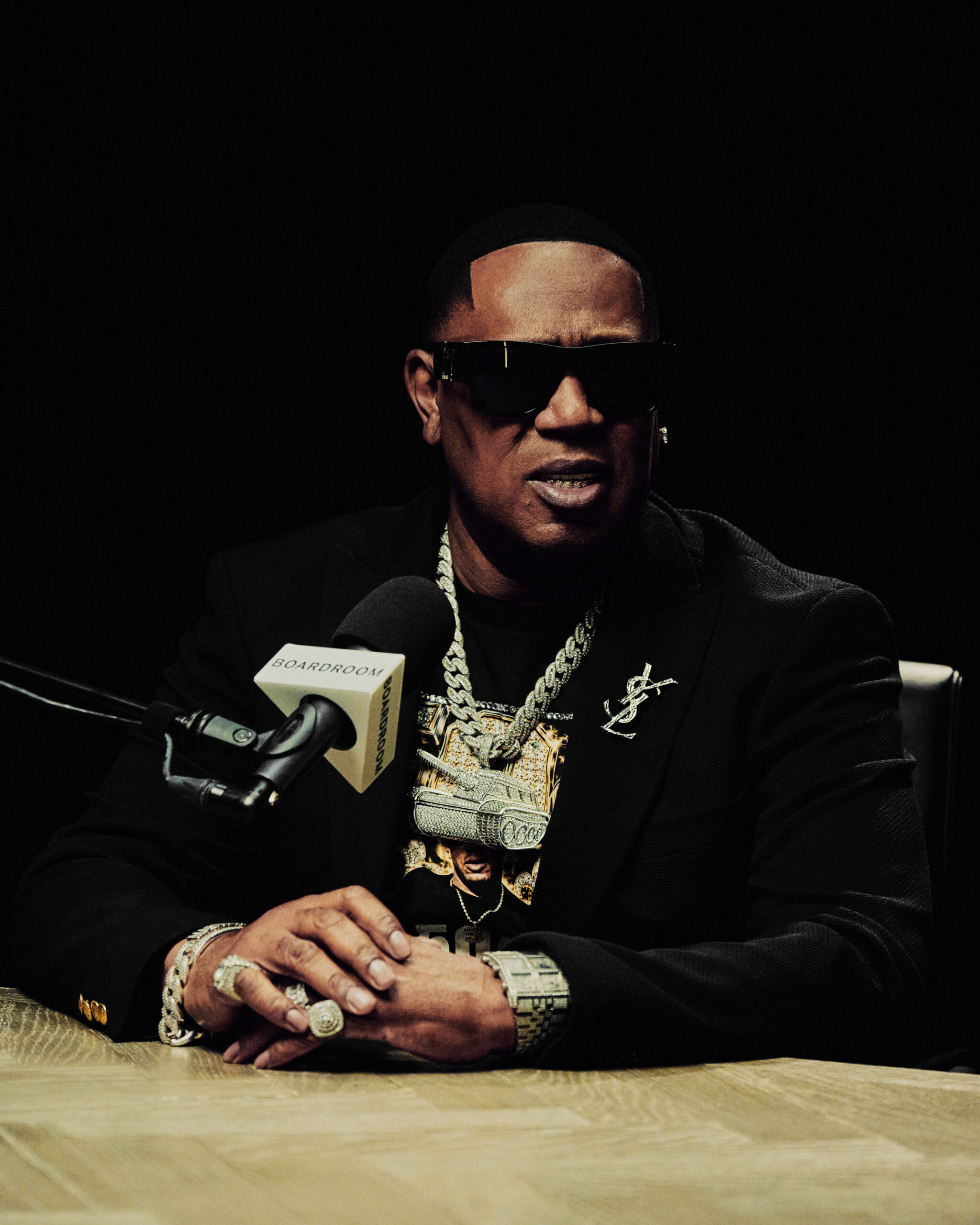
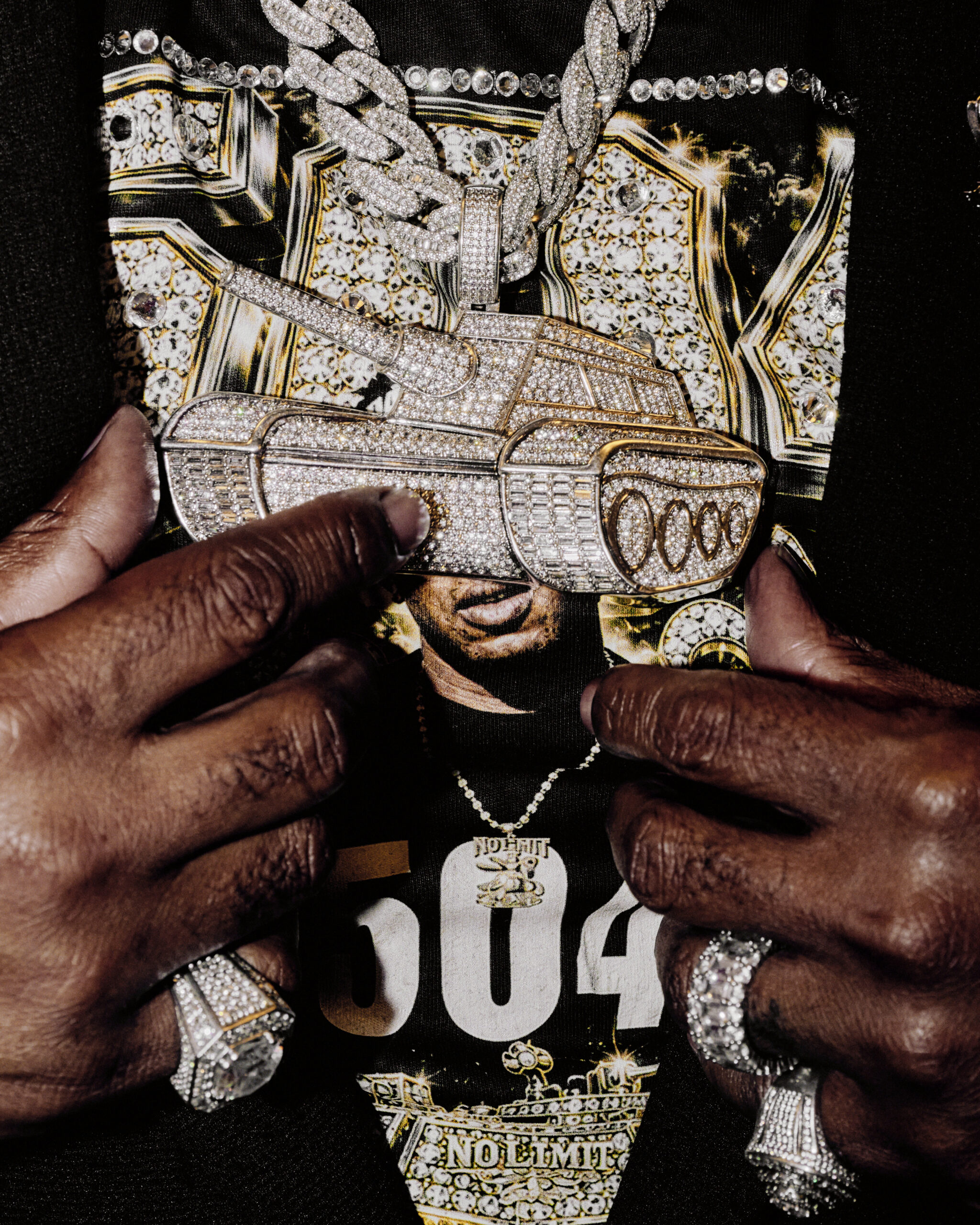
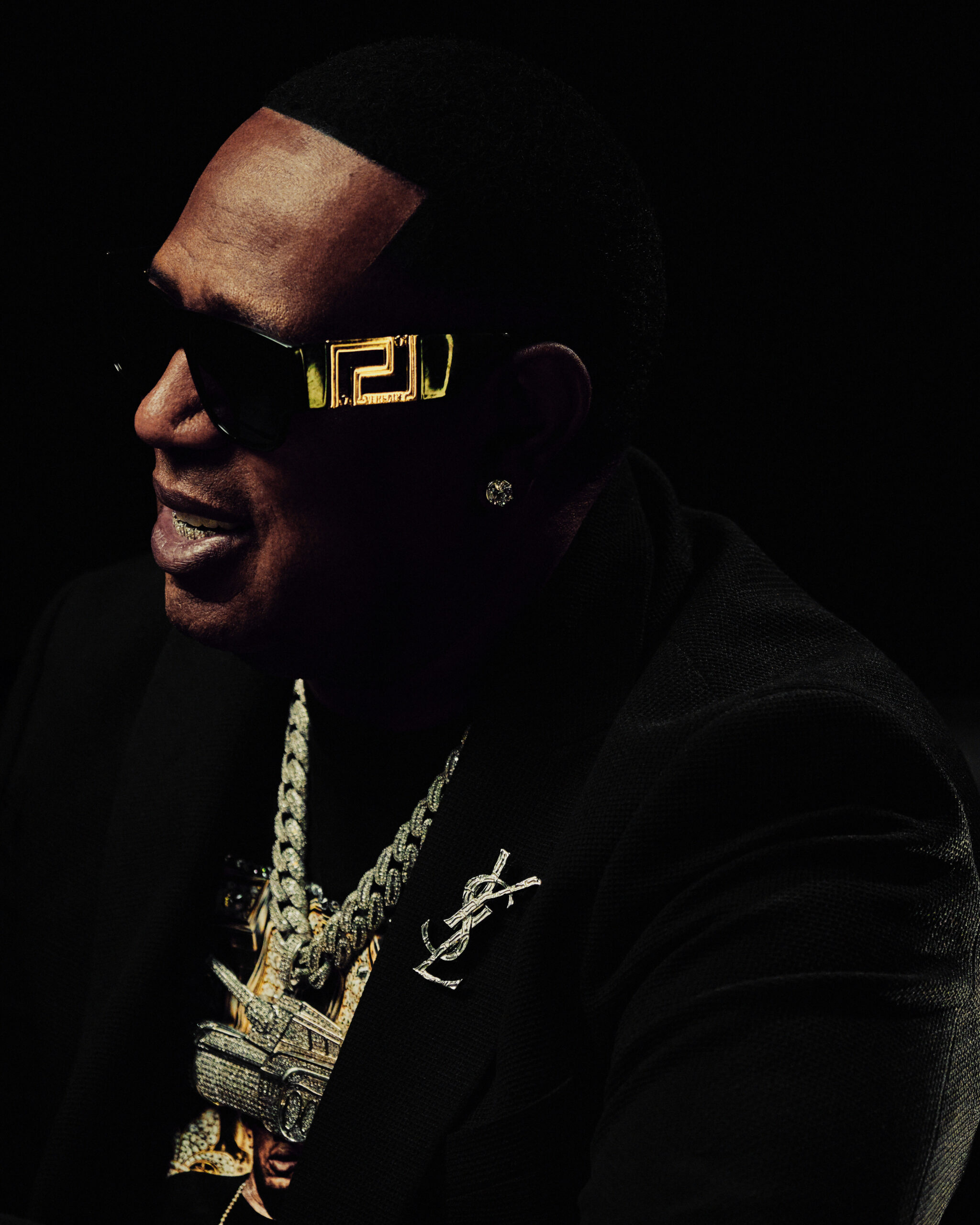
Listening to the album a few things stuck out. One was how central you were to rap at that point in time. Everybody is on this album from all different parts of the map. You have E-40, there’s UGK, there’s Snoop Dogg. Can you take me back to ’98 and explain to me how you were able to bring the rap world together on that album?
I’ve always thought with a team mindset. And everybody around me is gonna get a piece of this. And I went to Pen & Pixel [graphic design duo who created No Limit’s iconic album covers], got the cover made. I wanted to have that kind of like, 3-D moving type of artwork, and that never had been done at that time. I went and got this album mastered by Bernie Grundman in L.A., which is the best mastering company. Me and XL, Donald Robinson, we stood in there for maybe about two weeks just mastering this project.
That’s crazy to think about, because in 1998 you guys released 23 albums.
Yes.
So to hear you spent two weeks just mastering Da Last Don.
Yes, just mastering the record, just sitting there in Hollywood at Bernie Grundman’s Studio, the same place where Michael Jackson went to master his records. That’s what made this album so magical: that I had people that thought outside the box. I had moviemakers. I was like, We’re gonna make a movie with this at the same time. And [we’re] going to take over the visual part of the record stores because everybody is thinking, “Where are you gonna sell this at?” I said, “I’m gonna sell it to the record stores.” “The record stores don’t sell movies.” “They gonna sell mine.”
And they did. How was that conversation when you brought the idea to them?
Man, when I brought the idea right out I was crazy. Sometimes when you have big vision, you gotta be a little crazy.
And this was completely produced by you.
Everything.
No outside financing, no outside producers.
Nah, I never — none of my records. Nobody ever paid for none of my records. Me. I mean, when I first went to Priority, I gave them $200,000 to do the distribution deal. That was the only way I got the distribution deal. Jimmy Iovine [co-founder of Interscope Records] was gonna give me a million dollars. I turned that down.
Is that a true story?
Yeah.
Jimmy Iovine offered you a million dollars.
Yeah.
For what?
To sign my company.
All of No Limit?
Yeah.
And for how long?
Seven years.
Seven years for a million dollars and you said no.
I said no.
And why did you say no?
I figured if this white guy don’t know me, he gonna give me a million dollars, how much am I worth? 20, 30, 40, 50. Like, come on man, I went to school, I went to college, I wasn’t just a rapper. That’s why I say the education part.
Did he come back after you said no and offer you more?
No, he couldn’t. ’Cause think about it: I got a 85/15 deal [with Priority Records]. He told me I wasn’t gonna get a deal.
Well, very few people had that deal at that time.
No, but I went to Michael Jackson’s lawyer, John Branca. I invested in myself, gave him $25,000 just to talk to him. And he said, Percy, the only deal you could get is a 85/15 deal, and Michael don’t even have this deal. But you gonna need $200,000 in marketing money. I said OK, so I went back selling my CDs out the trunk of my car and then when I finally got somebody else to believe in me, which was Priority Records, I said I don’t want no record deal. I want a distribution deal.
Now that sort of deal is prevalent in the industry. Distribution companies like Empire that do deals like that all the time. But in 1998 that was unheard of.
Yeah. I mean not to ’98; in the early ’90s that was unheard of. In the ’80s that was unheard of. Like I said, Michael Jackson was getting 22% of records. And he had probably the highest deal in the music industry.
Speaking of ’98, No Limit is on top of the world. It’s one of the most powerful rap labels in the country. You have Snoop Dogg on the label, who a few years earlier was the hottest artist in rap. And then a few years later you somehow manage to get him out of his Death Row deal and you sign him to No Limit. No one saw that coming. Can you walk us through how that happened?
I saw Snoop at Priority Records because I had an office at Priority Records. And I could tell that he was unhappy. And I looked at Snoop as the biggest artist in the world to me, like, “Why is this guy not happy?” I watched Biggie Smalls die, I watched Tupac die. I’m like, Man, these people don’t appreciate you till you’re dead. And I say, Nah, man, I got to show this guy some love now and show the world that he’s not done. And so I don’t even think Death Row knew what Snoop Dogg meant to our culture.
Even though he had the biggest debut in rap ever at that time.
Yeah, he signed a bad deal. So you can’t be mad about it. So think about it:, It’s business. These people put money behind you; you can’t be mad at Suge Knight. He put the money up, he made you a star. He’s gonna get what he wanna get out of it, that’s just how the system goes. And I’m like,” Snoop, let’s go do this. I got you, bro.” And the rest was history.
But what are the details? You go to Death Row and what’s your pitch to them? How do you—
I’m just buying a used car. How much you want for it? That was the pitch. How much you want for your used car?
And this used car is a platinum-selling artist.
Yeah, but it’s still a used car. ’Cause you don’t believe in it.
So what did he want?
He told me what he wanted. And I gave it to him.
Do you remember the actual number?
Couple mil. And I knew what he was gonna get from the other record companies. So I just think I put like an extra $300,000 on it.
Just for him to—
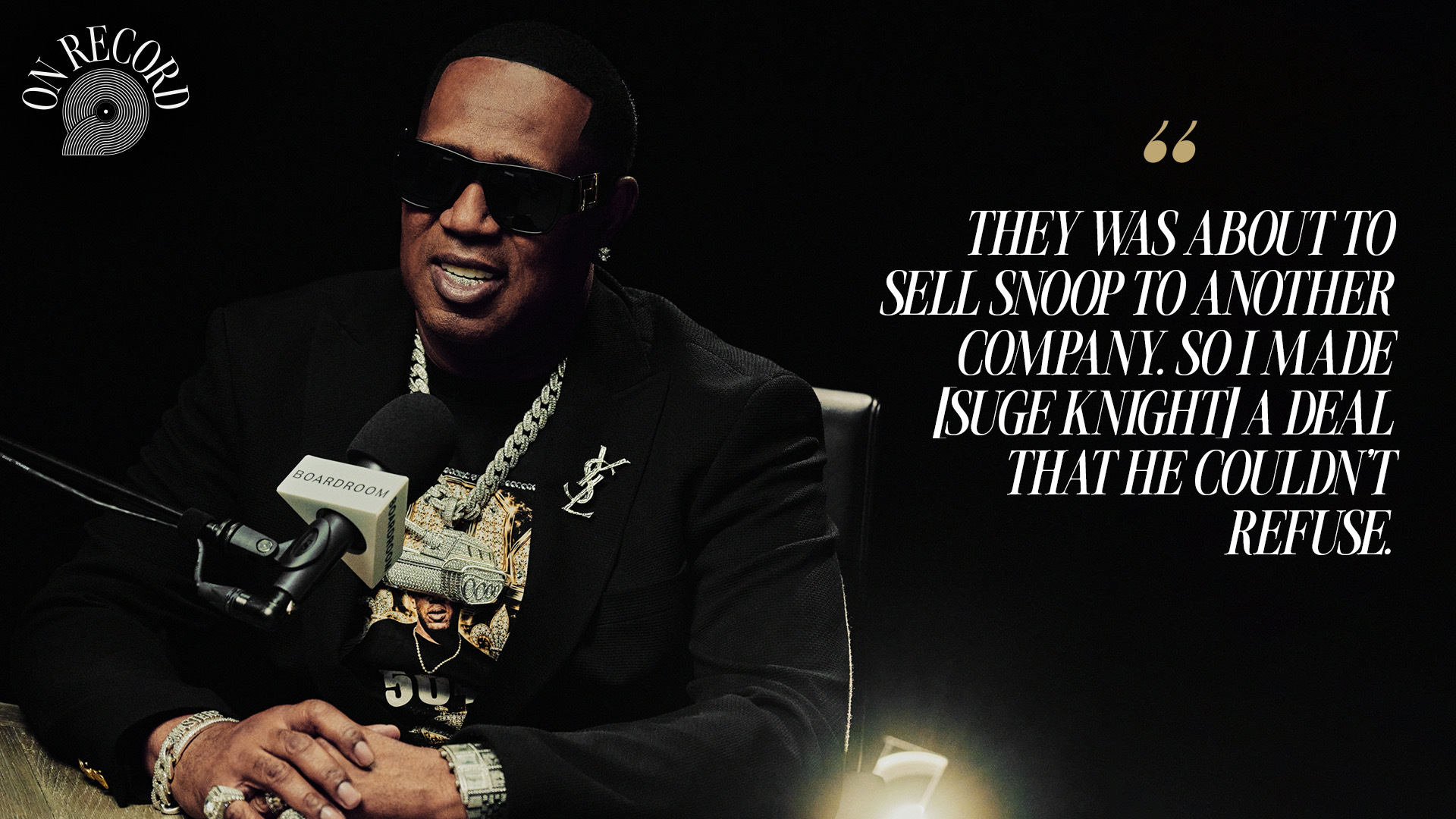
Yeah, to get the deal. You already about to sign with somebody. They was about to sell Snoop to another company. So I made [Suge Knight] a deal that he couldn’t refuse ’cause he was already about to sell this anyway.
What did you tell Snoop when he first came to No Limit?
“First thing, we’re going to get you a house, and we’re gonna put it in your name. Go get your cars, put it in your name, and we’re gonna give you some money so you could do your own thing, you could be comfortable.” And then everything that I invested, he made it back. We’ve been brothers ever since.
Did you see any similarities between No Limit and Death Row back then?
Not really. Because think about it: I just like to play fair with my people. But it was protecting his life at that time too, because, I mean, Snoop was riding around in a bulletproof car. You know, he didn’t know which way it was gonna come from.
A lot of the songs on the Da Last Don have guests, and I think most of the beats are by Beats by the Pound [No Limit’s in-house producing team]. What was the structure like? Did they give you the beat and then you—
Nah, so what I’d do is, I’ll listen to a lot of songs. A lot of this stuff I had the melodies in my head. So I never write, but I know what I’m talking about. So I’m listening for a melody. If I don’t get that melody, if it don’t click to where I could say the hook and come up with the hook right there, I’m not gonna use it.
So you hear the beat, the melody comes to you—.
The words come. I’ve been through so much, man. The words.
And then you just go straight into the booth?
I go into the booth and the words come to me.
There are some verses on here from you that are very intricate. I think my favorite on the first disc is “Mama Raised Me.” You’re just rapping that off the dome?
Yeah. That whole melody just came from hearing the music.
I’m curious where you got your flow from.
It was this old man in the hood; he used to be drinking and saying all kind of stuff, but he rapped when he talked to you. And so I just used to start talking back to him and rap. ’Cause he was cold, but he just was, you know, an old hood dude. “Man, give me a dollar, and I’ll show you I holla. I’ll bring it back, but you ain’t gonna get jacked. But homie come on back, don’t run up on me ’cause you know I got that thing on me.” And I’m like, Man, this man, what is he doing? ’Cause I’m a little kid, right?
Yeah.
I’m a little kid, so I start saying it back to him: “Man, I ain’t got no dollar, but hit me back and I’m a holla,” and he was like, “Man, you got a little flow!” And I’m like, Man, what is he talking about? Like, I was just mocking you. And then my grandmother used to always throw suppers. And so I’d be on the little turntable, I was the DJ for the family. So she’d say, “Baby, put on Al Green; put this on, and I’’ll be playing the music, I’ll be talking over it too. You know, “Eeverybody come on in, my grandmother got these suppers, and uh, hurry up, ’cause uh, it’s the hottest plates in the projects so,” you know, and it’s like, Man hold up, what is this? And so then I was playing basketball, I’d be on the bus for the game and I’d be just singing little rap stuff that I had heard. And people like,” Man, you know, you could rap a little bit!”
Read More:
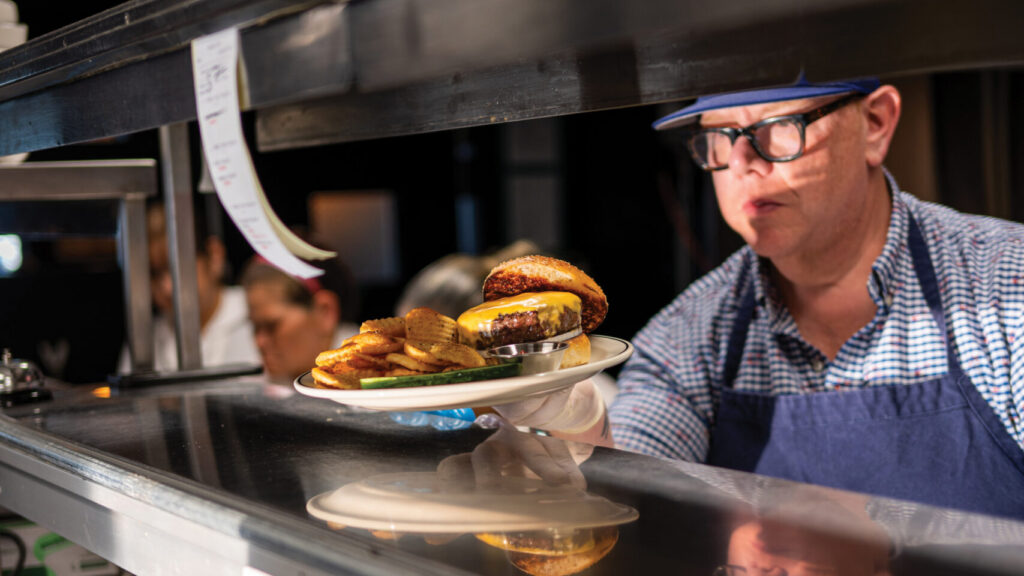
Red Hook Tavern: Where Billy Durney Wants to Know Your Name
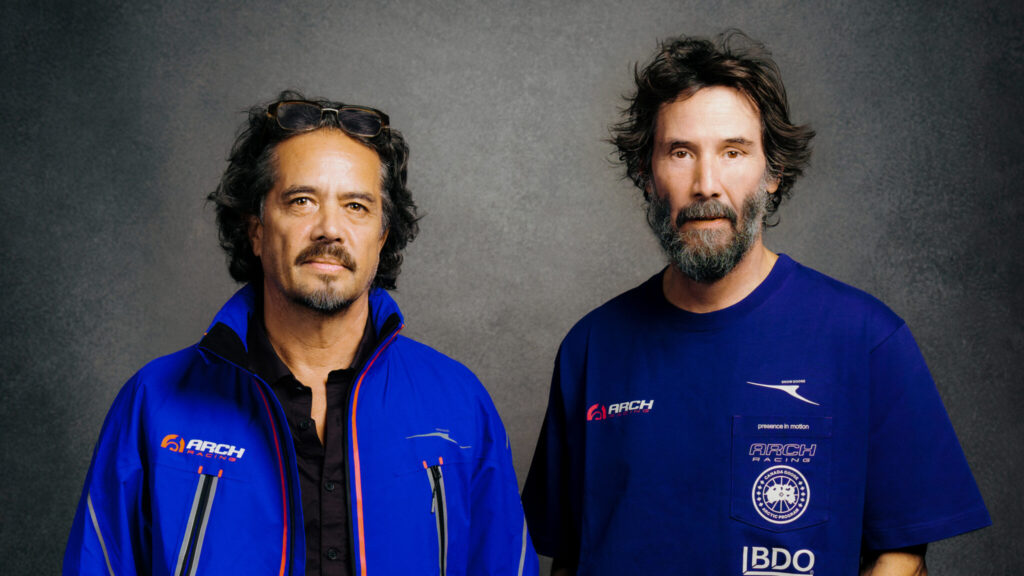
Keanu Reeves’ Next Act Is Built on Two Wheels

The Blueprint: Jessica Holtz Meets the Moment
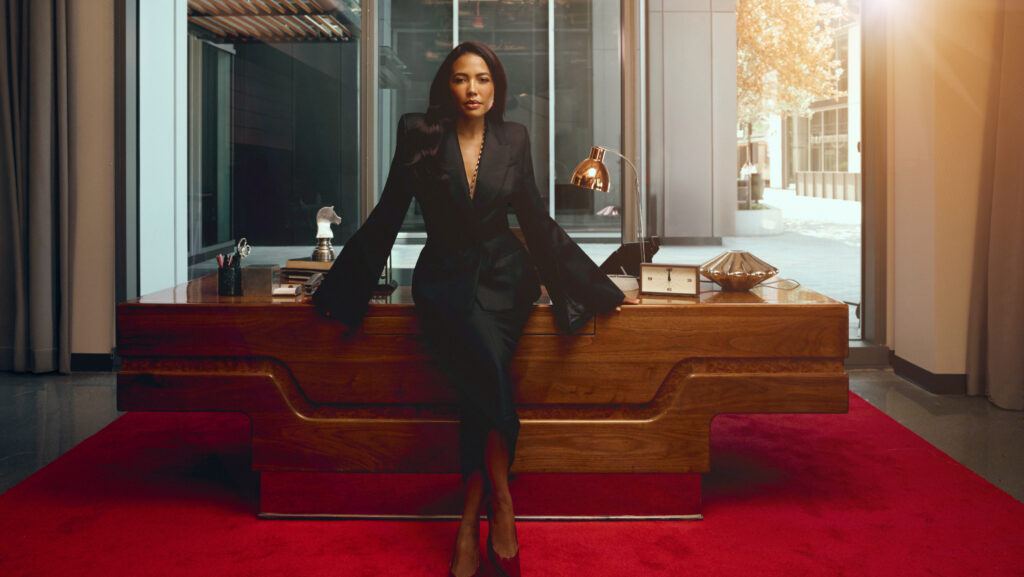
The Power Broker: Emma Grede Is Just Getting Going
Quiet Power: Imani Ellis on CultureCon, Creators, and Learning to Let Go