Fenway Sports Group has recently prioritized Liverpool, spending an estimated $500 million this summer, drawing more focus than its other holdings, such as the Red Sox.
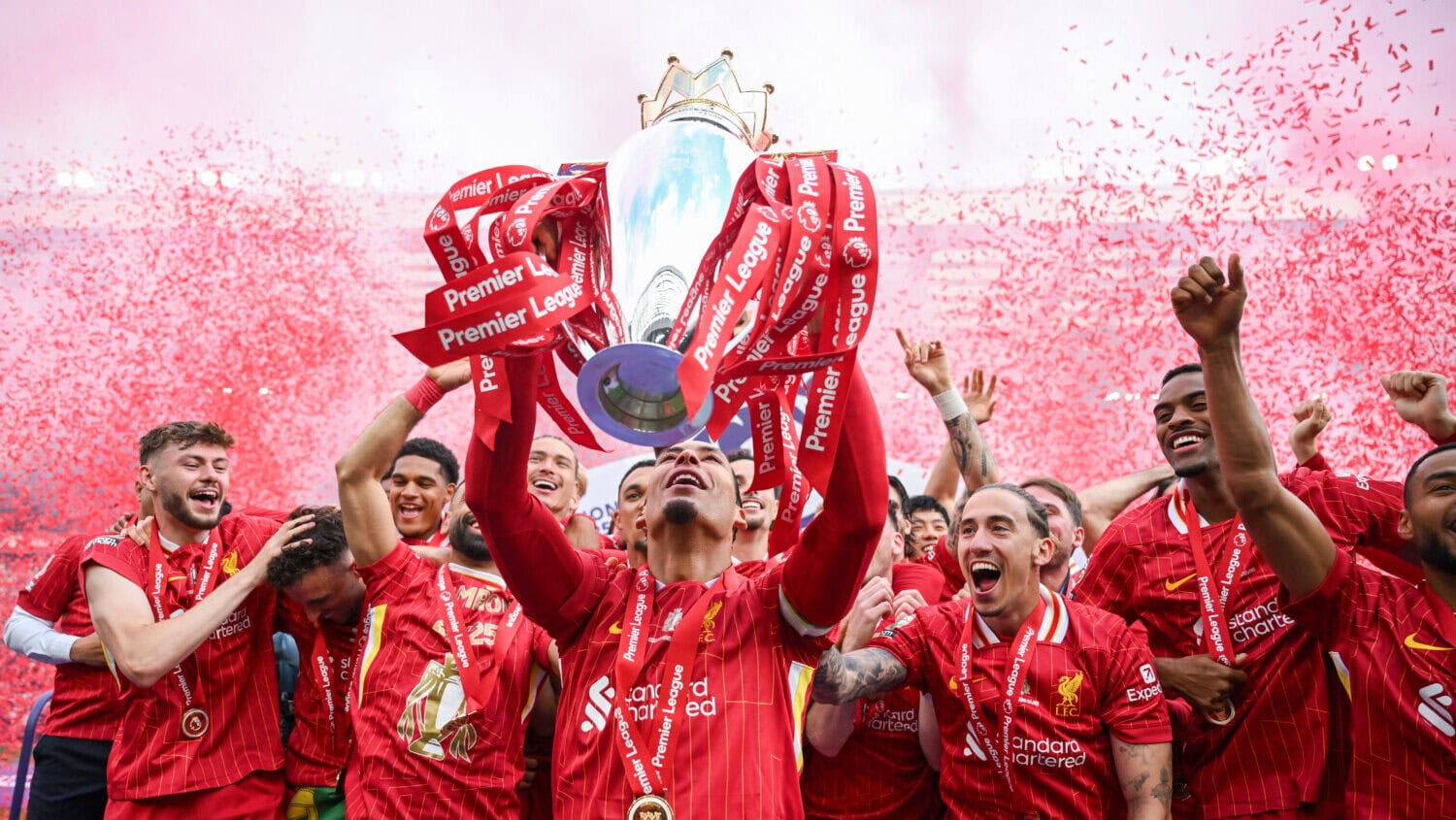
Liverpool earned an estimated $234.3 million from winning the English Premier League last season and another $108.4 million from reaching the knockout stage in the UEFA Champions League. Over the summer transfer window, the Fenway Sports Group-owned club invested all that and then some back in the club.
The Reds spent more than $500 million in the summer transfer window that concluded Monday, capped off by a $170 million deadline-day deal to purchase 25-year-old Swedish striker Alexander Isak from Newcastle. When combined with the reported $305 million in player sales in this window, it signals putting a good portion of last season’s competitive profits directly back in the club. Liverpool scored 86 goals during the 38-game domestic season in 2024-2025, 14 more than second-place Manchester City, running away with the league title by 10 points.
The team decided to further load up on attack, spending $145 million to acquire 22-year-old German midfielder Florian Wirtz from Bayer Leverkusen and $110 million for 22-year-old French forward Hugo Ekitiké from Eintracht Frankfurt. As club legend Mohamed Salah enters the twilight of his career at age 33, still in top form, Liverpool is looking toward the future as it looks to retain its stranglehold over English football and looks to make a deep Champions League run.
While Liverpool’s transfer window output is fantastic news for fans in Merseyside and around the world, it’s far more frustrating to fans of FSG’s other flagship franchise, the Boston Red Sox. As they fight for their first playoff berth since 2021, they’re doing so with far fewer resources than their sister team from across the pond. Their payroll of $198 million ranks just 11th in Major League Baseball, and their moves over the course of the summer don’t reflect the team’s storied stature.
Instead of building around its franchise player, perennial All-Star third baseman Rafael Devers, they traded him to the San Francisco Giants in June despite signing him to a 10-year, $313.5 million contract extension just two years ago. Instead of adding salary or veteran players at the trade deadline at the end of July, Boston made small moves to acquire pitchers Dustin May and Steven Matz, at-best marginal contributors who combine to make just over $4 million this season. As I wrote back in June, the Red Sox haven’t had a top-10 payroll since 2022, perhaps signaling that FSG prefers to allocate its resources somewhere other than Fenway Park.
Perhaps, however, this is all part of Boston’s long-term strategy. The Sawx are winning while embracing a youth movement this season, promoting top prospects like outfielder Roman Anthony, shortstop Marcelo Mayer, second baseman Kristian Campbell, and starting pitcher Peyton Tolle to the major leagues this season, with varying degrees of success. But with no significant free agents after the season, this winter would be the perfect time for the team to make a significant splurge on a free agent like Kyle Tucker or Kyle Schwarber.
Fenway Sports Group’s track record of late, however, has been putting money into Liverpool and not the Red Sox. That extends to its other major sports holding, the NHL’s Pittsburgh Penguins, which has missed the playoffs for three consecutive seasons for the first time since 2006. The Pens had the 19th-highest payroll in the 32-team league last season, marking the first time they had a payroll outside the top 10 since the 2020-21 season. FSG is reportedly exploring a sale of the hockey team, which conceivably would open up more room to spend on the Red Sox, or perhaps a Las Vegas NBA expansion team that’s looking less likely by the month as the league prioritizes ambitions in Europe.
Liverpool’s summer spending spree has coincided with the club’s success, which the Red Sox and Penguins have not experienced recently. Whether spending should only precede winning or whether teams of Boston and Pittsburgh’s stature should spend in order to win is up to Fenway Sports Group. If the company’s recent track record is any indication, some progress, like a strong playoff run for the Red Sox, may be the only way spending on the team goes back up to its rightful, championship-caliber levels.
Read More:

A$AP Rocky Returns to Form with the Inspired, Curated Chaos of ‘Don’t Be Dumb’
Kiyan Anthony Adjusting to Life in the Limelight at His Own Pace

What We’re Watching: ‘Heated Rivalry’, ‘The Pitt’, ‘Harry Potter’, & More

Zoe Saldaña Sits Atop Hollywood as the Highest-Grossing Lead Actor of All Time

FIFA’s First Betting Data Partner Signals a New Era for Global Soccer