
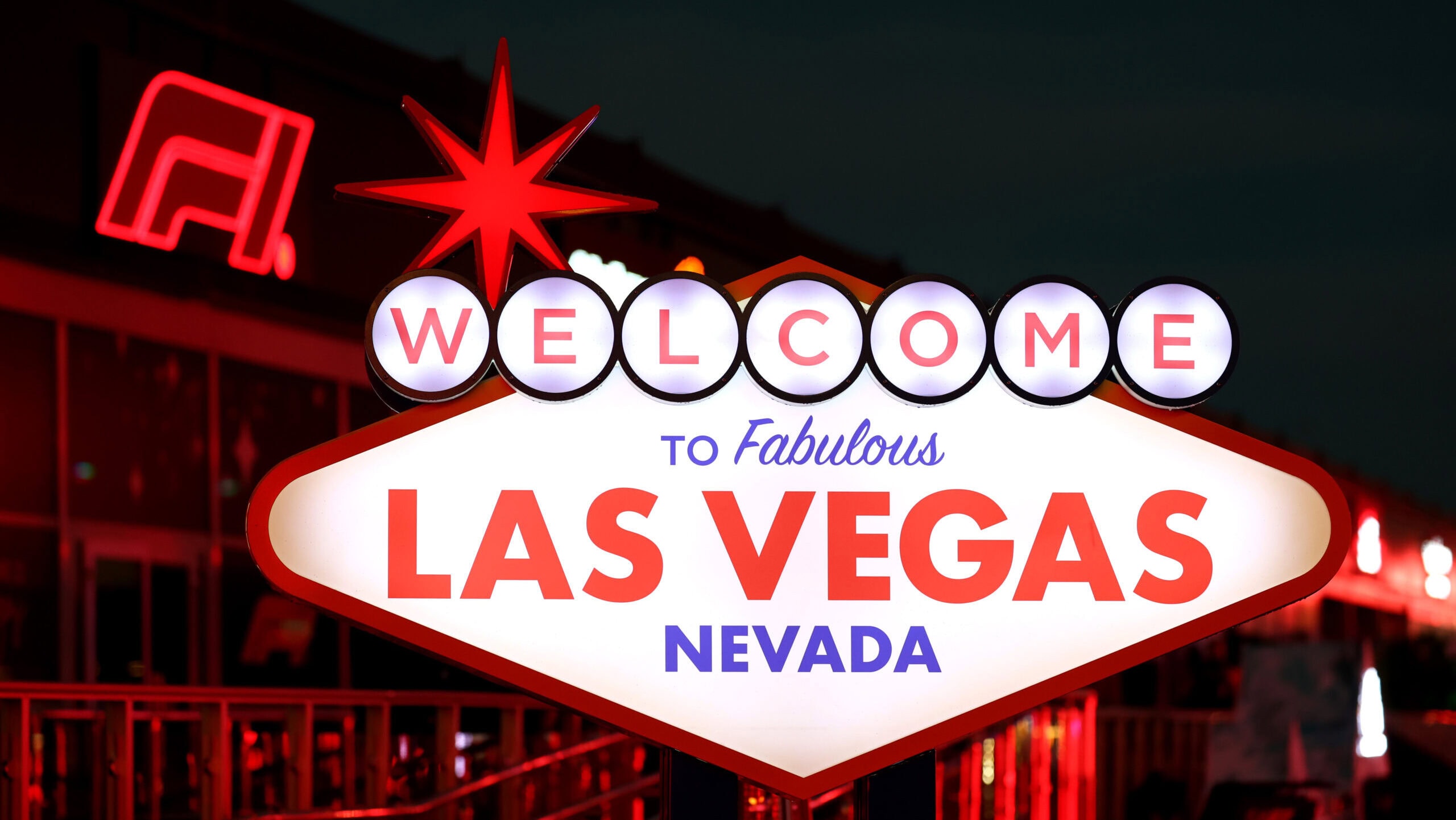
With a reengineered night race, extended partner agreements, and a weekend packed with high-profile activations, Las Vegas is solidifying its place as one of Formula 1’s most influential markets.
Formula 1 returns to Las Vegas this weekend for its third annual race, extending its legacy as a destination built on spectacle.
Few places understand entertainment at scale the way Las Vegas does. The Strip was designed for global audiences, engineered to absorb crowds, and optimized for high-stakes experiences. That foundation shapes why the Las Vegas Grand Prix has quickly become one of the most-watched, most-discussed, and most commercially complex stops on the F1 calendar.
How Las Vegas Prepares for a Night Race
A night race on one of the busiest streets in America requires planning that extends far beyond the track. The Las Vegas Strip Circuit is temporary by design, which means the city rebuilds a 3.8-mile racing venue each year. More than 1,700 light units, miles of barriers, temporary bridges, hospitality structures, and multi-zone fan areas transform the resort corridor into an international sports venue.
The logistical demands touch every part of the city. Traffic patterns shift. Pedestrian bridges open and close on managed schedules. Casino partners coordinate access points and crowd flow. Local agencies work with F1 on road closures, emergency procedures, transit routes, and late-night operations. The Strip doesn’t sleep, which means the race weekend planning has to accommodate nightlife, hotel turnover, and tourism volume at the same time F1 takes over the streets.
Year 3 comes with changes based on lessons learned. Session times moved two hours earlier to bring East Coast fans into live viewership windows and to ease late-night demand on the city. Ticketing expanded with single-day options, more flexible pricing, and a donation program for unused tickets. Fan movement across zones has been improved through redesigned access between major viewing areas.
Las Vegas also built long-term infrastructure around the event. The 39-acre Grand Prix Plaza — open seasonally — gives fans year-round touchpoints with the sport, including interactive exhibits and educational installations. The plaza will reopen in January 2026 with a reworked karting circuit, an upgraded 4D theater, new event spaces, and expanded fan experiences, deepening its role as a year-round F1 attraction in Las Vegas.
That investment signals that F1 in Las Vegas isn’t temporary; it’s a growing part of the city’s entertainment portfolio. The global racing league has already added two more years to its Las Vegas agreement, keeping the race on the calendar through 2027, with discussions underway about a longer-term extension beyond that.

Built on Brand Power and Partnership
The LVGP operates more like a mega-event than a traditional race. Its partnerships span casinos, hospitality groups, luxury brands, tech companies, and entertainment institutions. For many brands, the weekend functions like Super Bowl week, a concentrated showcase where visibility is high and audiences are global.
Partner expectations are different in Las Vegas. The city offers more physical real estate, more nightlife venues, and more premium hospitality spaces than any other stop on the calendar. Brands look for layered touchpoints: daytime visibility at fan zones, nighttime visibility in clubs and lounges, and integration across on-Strip locations. The race also brings the F1 Business Summit to Wynn Las Vegas, where industry leaders discuss global growth, cultural strategy, and the economics of the sport.
Caesars Entertainment has extended its role as a founding partner of the Las Vegas Grand Prix through 2030, strengthening one of the race’s most visible hospitality relationships and aligning the event with the company’s multi-year transformation of Caesars Palace. The renewed agreement arrives as the resort undergoes a series of large-scale upgrades — including new villas, renovated towers, a forthcoming OMNIA Dayclub, and expanded luxury check-in spaces — all designed to elevate its Strip presence during major events like race week. The partnership also preserves Caesars’ portfolio of race-week offerings, from premium viewing areas to chef-driven dining experiences.
The collaboration required across casinos, agencies, hotels, and production teams shapes the business strategy. The Strip Circuit only works when every stakeholder aligns: road closures affect resorts, resort schedules affect fan traffic, and fan zones require coordination on power, safety, and staffing. The partnerships aren’t just for branding, they’re operational.
The Activations That Boost the Race Experience
The entertainment slate surrounding the race has become as notable as the grid itself. Brands and venues invest heavily in programming because the audience mix — international visitors, corporate partners, VIP clientele, and first-time F1 viewers — is unlike any other race market.
MGM Resorts anchors the nightlife economy with large-scale events. Marquee Nightclub hosts the weekend’s headlining moment with a performance by Anyma inside its newly upgraded, high-tech main room. Alesso takes the stage the night before, and Hakkasan adds performances from Loud Luxury, DJ Pauly D, and Steve Aoki. The Palm Tree Beach Club at MGM Grand reopens for one weekend only with a daytime set from Martin Garrix.
Trackside luxury blends hospitality and entertainment. The Tao Group Skydeck Viewing Party at Bellagio Fountain Club brings DJ sets from Vice and Naomi Campbell alongside curated dining and Strip-front views. These viewing environments combine race access with nightlife-style production, a format that aligns with how fans engage with Vegas.
Driver involvement adds another layer. Carlos Sainz returns with the Smooth Operator Dance Lounge at ARIA’s ALIBI Lounge, open daily from 2 p.m. to 2 a.m. The signature cocktails and rotating DJs turn the space into one of the more recognizable driver-led activations of the week, with special appearances from Sainz himself.
Food and culture round out the programming. David Chang records a live episode of The Dave Chang Show at Momofuku during lunch service, followed by a special dinner menu featuring raw bar selections, caviar, and a whole short rib carved tableside. At Bellagio, The Pinky Ring — Bruno Mars’ cocktail lounge — continues its nightly live music format. The Vault hosts a pop-up from award-winning bartender Pamela Wiznitzer, adding a high-end spirits experience to the weekend.
Across these events, the throughline is consistency: each activation reinforces Las Vegas’ ability to merge entertainment and hospitality with global sports programming. These aren’t side events; they are part of the race weekend’s business engine, driving spend, media attention, and cultural footprint.
Final Thoughts
The LVGP has become an anchor event because the city already knew how to build markets around spectacle. The race is a natural extension of the Strip’s identity.
In Year 3, the event shows signs of refinement, resulting in a race weekend that serves as both a championship event and a citywide entertainment platform. And for Las Vegas, that combination is exactly the point.
Read More:
The Long Game: How the Super Bowl Halftime Show Signals NFL’s Global Future

Why I Can’t Stop Thinking About Doctors on ‘The Pitt’ and Generational Heartthrobs

How ‘The Gallerist’ Turns Natalie Portman and Jenna Ortega Into Art-World Outlaws
Kevin Durant and Hakeem Olajuwon Talk SGA, Jokić, Embiid, and the Evolution of Basketball
Beyond the Upside Down: Caleb McLaughlin on Broadway Roots and His New Animated Era