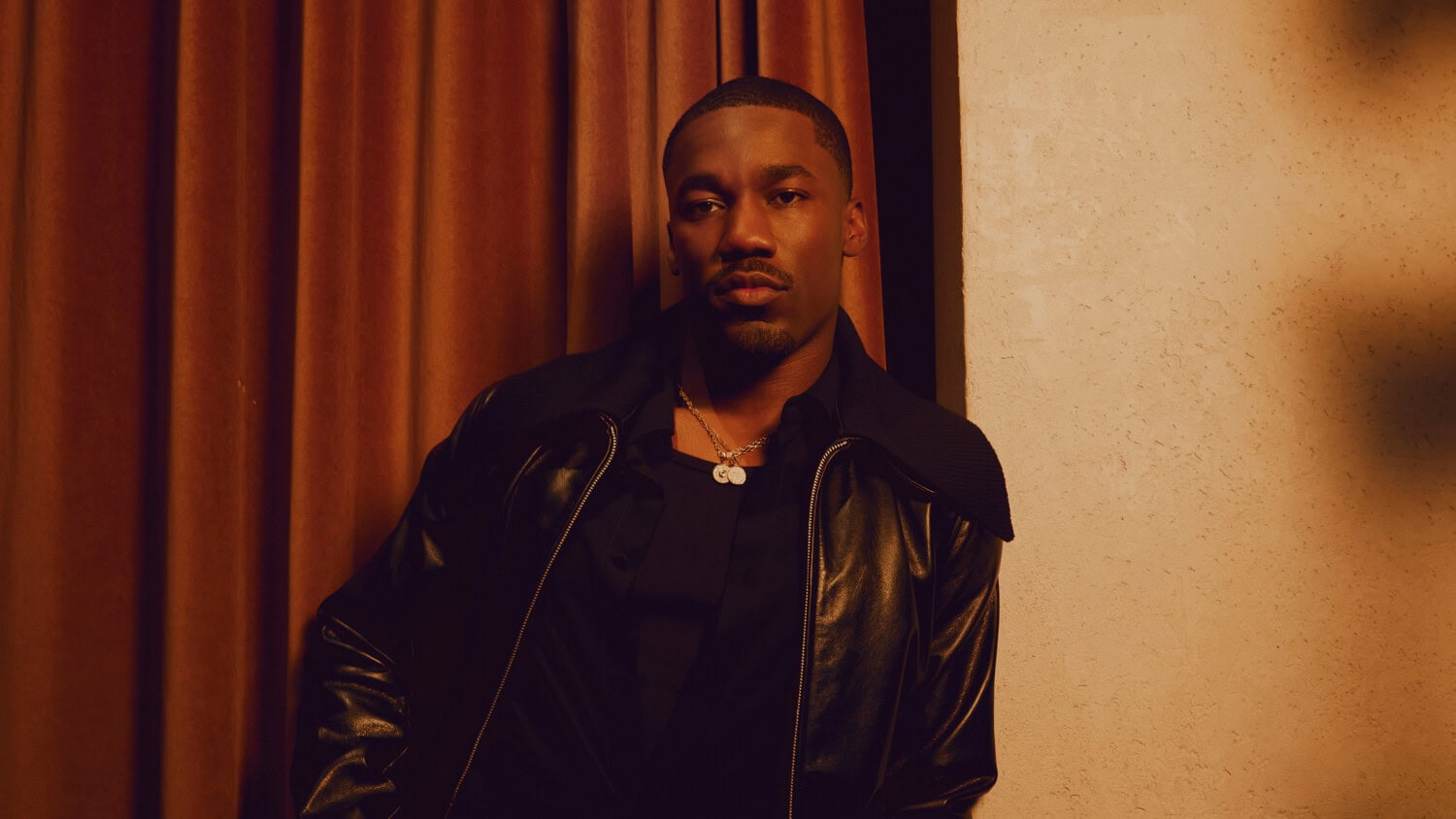
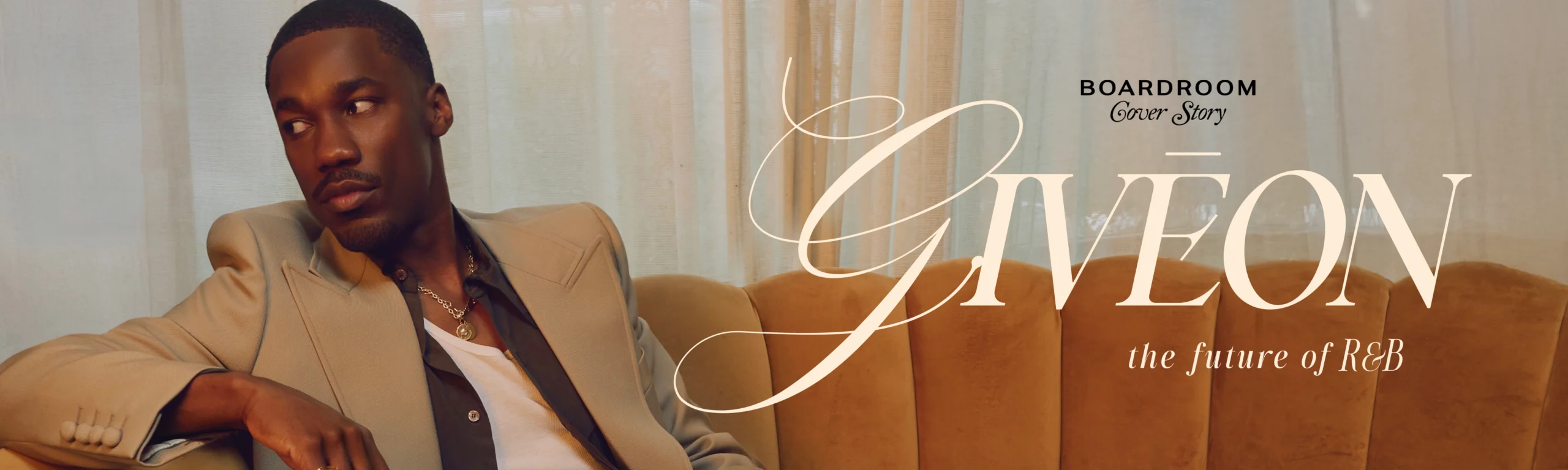


R&B music has long served as a sonic sanctuary — an environment where pain meets poetry and vulnerability transforms into strength. It’s more than just rhythm and melody; it’s a deeply sentimental language spoken through soul-stirring vocals and heartfelt lyrics. The power of R&B lies in the voices behind it, artists who bear their truths in every note, turning heartache, joy, and resilience into something listeners can feel upon first listen and relate to for years to come. This genre has the uncanny ability to heal, to connect, and to give voice to emotions we often struggle to name.
At the forefront of this renaissance stands GIVĒON, the revolutionary singer-songwriter whose rich, buttery baritone is impossible to mistake. His voice doesn’t just fill a room — it lingers in the air, wrapping listeners in raw passion and reflective storytelling. With the arrival of his highly anticipated sophomore album Beloved, the Long Beach native invites fans back into his world, where heartbreak isn’t just a theme, it’s the emotional thread that ties every track together. Through deeply personal lyrics and atmospheric production, GIVĒON continues to redefine modern R&B while staying rooted in its most powerful tradition: truth.
“I think it’s the honesty and vulnerability that gravitates [R&B] to people, especially coming from a male perspective because it’s been more dominated by Hip-hop over the last decade,” said GIVĒON when asked whether he feels pressure about being called the new face of R&B. “So, sometimes just the themes of Hip-hop kind of bled into R&B, so that male perspective would get lost. As long as the male perspective is there, or the perspective that I’m trying to keep around so it doesn’t just become lost, that’s really the win for me.”
GIVĒON possesses a sort of charm that feels rare in today’s fast-paced musical landscape — an old soul plopped in a modern world. It’s this timeless energy that sets him apart, and his reverence for the classics shows up everywhere: in the poetic elegance of his lyricism, the way he commands the stage with intention rather than excess, and even in the stripped-down vulnerability of his melodic delivery. GIVĒON doesn’t just make music; he embodies a lineage of storytellers who’ve come before him, honoring the past while charting his own path.

One can’t help but think of Frank Sinatra while listening to GIVĒON. Like me, he fell under the spell of Ol’ Blue Eyes at an early age, growing up on those velvety vocals and timeless ballads set to big band accompaniments. It’s more than just an operatic resemblance, though both voices share that rich, smooth tone. It’s in their shared ability to make sorrow sound elegant and love feel eternal. Both musicians exude a presence that transcends trends, relying on authenticity rather than theatrics. For GIVĒON, Sinatra isn’t just a lifelong influence — he’s a kindred spirit from another era, whose legacy lives on in every note he belts.
“Frank Sinatra was a crooner. It’s not even about being a crazy vocalist,” GIVĒON said. “Because he wasn’t an insane vocalist. He wasn’t doing runs at all, I don’t think. It was just all off of charisma, charm, and showmanship, flashing a smile here and there.”
GIVĒON’s charisma is a breath of fresh air in an industry that champions perfectionism and monotony. He understands his fanbase and delivers material that keeps them fed. After all, those 1,000-plus days in between Give or Take and Beloved felt like a long time, but well worth the wait considering this latest project is a 38-minute masterpiece that will sound even better live this fall on the Dear Beloved, The Tour nationwide jaunt.
As he prepares to hit the road once again, I caught up with the 30-year-old about his other influences outside Sinatra, his creative process, what fans can expect from his forthcoming shows, and, of course, his role in R&B and beyond.
This interview has been edited for length & clarity
Want More from Boardroom? Get Our Newsletter
Vinciane Ngomsi: After more than 1,000 days, we finally have new music from you. Can you walk us through your creative process for Beloved?
GIVĒON: Well, all my songs are, I just can’t deliver it the way I would want to unless it’s autobiographical, so I have to go through it first. And I think that sometimes can come with a challenge, but only time-wise because I can’t control when life happens. Sometimes, life will get a little too good, so then I’m just enjoying it. So my process starts with the story happening first, and then I’ll go and discuss it with peers and friends just to get more of the nuance of the story. I’m not even thinking about a song, yet. Some songs are a journal entry. That’s why they can get extremely personal and sometimes hard to share because that’s a brave thing to do. It’s like letting someone in your home who you don’t even know.
VN: It’s about emotional vulnerability, the album. How do you set those boundaries between what you do want to share with your listeners and what you want to keep personal for yourself?
GIVĒON: I don’t know. I’m still finding a balance because I’ve told some stories that are extremely personal to a point where people think they know me. So if I do something that’s more on a lighthearted, humorous side, it comes off as a shock because I’m giving them access to just the vaults of my emotion. So, I’m still figuring that balance out.
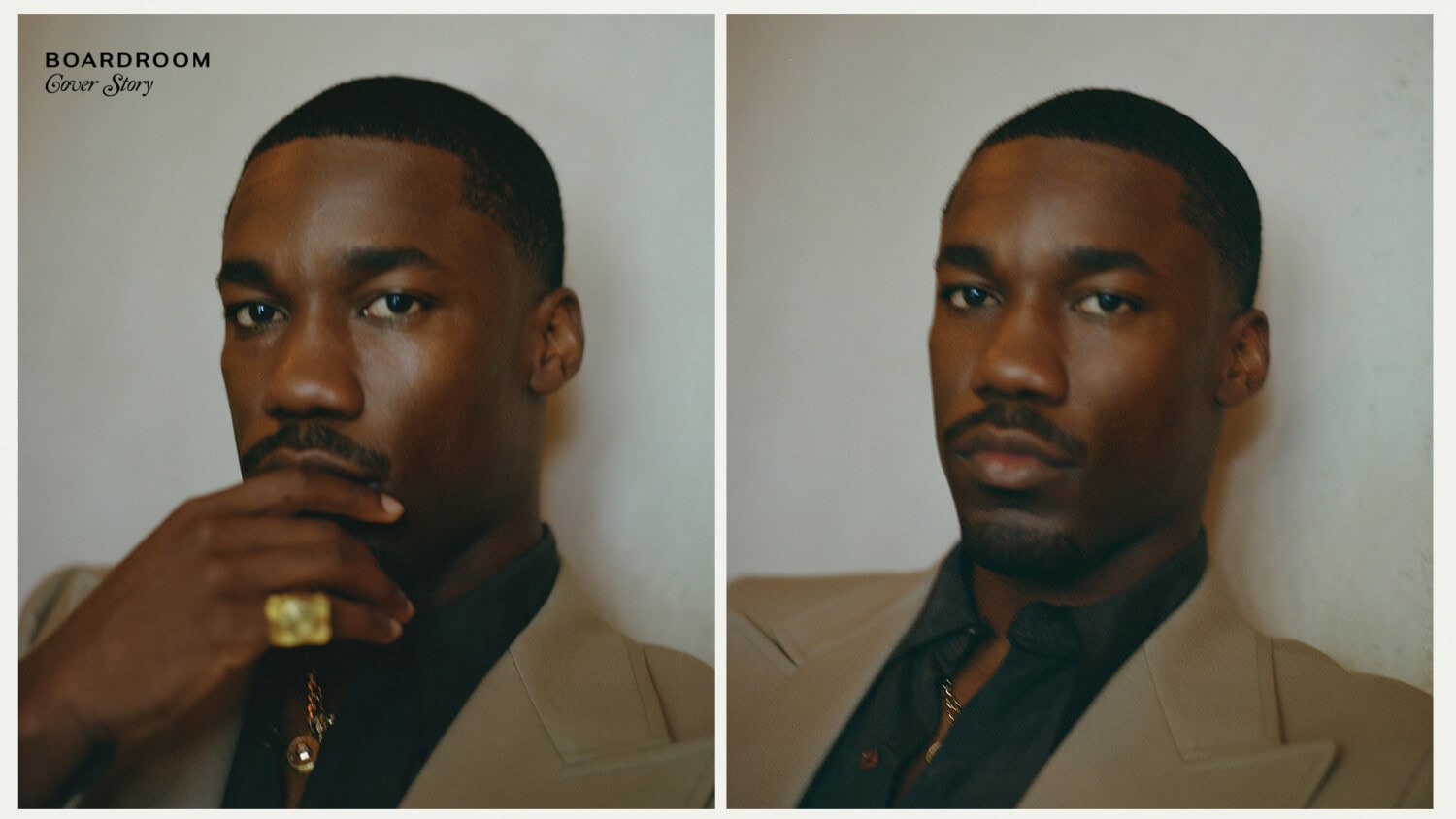
VN: Is there anything that our listeners may not know about you that you’d want to share?
GIVĒON: I’m pretty funny. But not joke funny, knock-knock out who’s there that type of funny, I think it is just my cadence of my storytelling. It gets pretty funny sometimes.
VN: You have that classic R&B sound, but it kind of blends some modern elements. Was that instinctive or intentional?
GIVĒON: Yeah, it is a great example of me because I pull from the classics, and I guess just the names that cultivated the sound. So I’m essentially just standing on their shoulders and running it through my own personal contemporary filter. That’s my personality as well. Even if you see the way my home is interior designed, it is a healthy cocktail of old and new, vintage and modern. I just like that balance. I hate being all one thing. I don’t want to be one thing.
VN: Speaking of things that are older, one thing we both share in common is a love for Frank Sinatra. You mentioned that you grew up listening to him, and I can kind of hear it in some of your songs. Do you take a lot of inspiration from him or anybody from back in the day?
GIVĒON: Oh, yes. I think originally it was a tone thing. He was one of the first baritone singers my ears ever discovered. And then I would start to get to Barry White and stuff like that, but also just his stage presence. I don’t dance. I’m not about to be up there doing choreography, pop-locking, none of that. So I was like, ‘OK, what’s a way I can get out of this? How can I be me?’ And I watch his performances. He just has a big band, like a 20-piece band, horn, and string section, drums, all of it. And he’s tailored, dapper, and just crooning the crowd. Sometimes he’ll have a glass of whiskey as he floats. I traded it for wine. So if you ever see a clip of me drinking wine on stage, trying to essentially float across the stage, I learned that all from Frank Sinatra.
I think everything was going a little too digital. I challenge my peers to let’s try to move more analog. It’ll keep more soul into the music.
– GIVĒON

VN: Do you have a favorite Frank song?
GIVĒON: I like ‘My Way.’ I was introduced to him through ‘Fly Me Through the Moon.’
VN: R&B was built on Black joy, love, resilience, heartbreak. How conscious are you of that legacy in your own work?
GIVĒON: Oh, that’s all I think about. And it is to a point where I want people to understand rhythm and blues more than what I think they understand because I think people think rhythm and blues is just one thing. Especially when I put out a song that is about a love that didn’t work out, it gets labeled heartbreak music, but that’s what rhythm and blues is. It is blues. So it was healing. Blue is named after the emotion of feeling blue. So it’s more of the origin than love songs, essentially. And I feel like there are certain sectors of R&B that still get disrespected to this day. Even coming out of the 70s in Philadelphia, East Coast, soul is very underrated.
VN: How do you define your spot and your role within the genre?
GIVĒON: I look at it more from what perspective am I bringing to the genre. I’m just a man speaking from his perspective. Sometimes, that voice gets lost because R&B has been dominated by female vocalists for quite some time, and you could attribute that to a couple of things. But I just want to be able to offer something to the space and whatever people, labels they add on, that it’s kind of not even my business.

VN: So, you mentioned that R&B right now, there are a lot of women voices there. What else do you think the genre is missing?
GIVĒON: Live instrumentation. My newest album, Beloved, is all live.
It will start in jam sessions, and then we’ll catch a groove, and I’ll be like, ‘OK, that’s the groove,’ and then we’ll build on that sound. I think everything was going a little too digital. I challenge my peers to try to move more analog. It’ll keep more soul into the music.
VN: What’s so fascinating as I was listening to your album, I kind of had the feeling I was at a live jazz concert. And it’s not supposed to be something that, correct me if I’m wrong, you’re supposed to listen in an arena or a stadium. It’s really supposed to be these small jazz circles where people are genuinely enjoying the music.
GIVĒON: And everyone can hear every sound, and all the instruments are mixed properly. But that’s probably going to be an issue I’ll run into because my venues are going to be a little bigger, but I’m going to try to create that intimacy even in these thousand-capacity venues. So that’s my biggest thing I’m thinking about right now. How do I keep the warmth to make it feel like I’m just singing to 10 people instead of 10,000?
VN: What kind of vibe do you want to bring to this tour?
Giveon: I was just obsessed with the creative process of the album, where you just sitting around with a bunch of musicians, wine here and there, everybody sharing their stories. It’s more like a hangout. So I wanted to feel like people were just invited to these sessions.
people get kind of infatuated with nostalgia sometimes, so they don’t want to allow something to grow.
– GIVĒON

VN: You talk a lot about wine. What kind of wine are you drinking?
GIVĒON: I oscillate between whites and reds or a Pinot Noir. I like a light-bodied wine. Nothing too dry on the tongue.
I’m putting my family on wine, too. I come from a cognac and whiskey family. I’m one of the first ones to drink wine, so I’m ushering in a new thing. Even with the music that I’m making, they weren’t there drinking wine. I don’t think they were there drinking. So I’m always just trying to marry two worlds.
VN: Can you remember the first R&B song you heard that sparked your love for the genre or even your decision to go into being a musician?
GIVĒON: So I had two pivotal moments in my just artistic journey. The first one is when my mom was curating the playlist, when she was playing Mary [J. Blige], Anita Baker, Luther Vandross, Heatwave, Teddy Pendergrass, she was playing all of this soul. But also, once it started getting to the early 90s or the Mary J, SWV, her music taste is insane. But then once I started to curate my own, it would be more Frank Ocean, Miguel, maybe early Chris Brown. And I would listen to rap all the time, Jay-Z, Kanye West. I just had a myriad of artists that inspired me. So then I would start to blend the two. She was even playing Deniece Williams’ ‘Free’ and ‘Silly.’
But my first intro to me wanting to be an artist was, once I got into Frank Ocean. It was just a different type of songwriting because everything she was playing, it was more, there was no poetry really. It was more direct, like The Isley Brothers. I don’t think people talk about their songwriting a lot, but they are very poetic. But that was probably one of the only poetic rhythm and blues artists that I was aware of at the time. But Frank Ocean, ‘Thinking About You,’ I was in high school when I heard it, and was like, ’This is insane.’ It was atmospheric. It was like, oh, you don’t have to do this. You can mix your own things. And that was pivotal.

VN: I don’t want to make you rank the Franks, but we’ll just say the Franks have definitely influenced you.
GIVĒON: Yeah, because it’s just all for different reasons, too. And I don’t talk about Miguel enough, I don’t think. He made me realize, ‘Oh, you got to get your vocal chops up, too.’ Frank Sinatra was a crooner. It’s not even about being a crazy vocalist. Because he wasn’t an insane vocalist. He wasn’t doing runs at all, I don’t think. It was just all off of charisma, charm, and showmanship, flashing a smile here and there. I learned that from him and Teddy, and then Frank Ocean, I learned word building. I learned how to make a cohesive album through Frank Ocean. And then Miguel was like, ‘Oh no, you also want to know how to sing.’
VN: You mention all these past artists that came up not in the modern era, but it seems like people who listen to R&B kind of expect a sound from Frankie Beverly, Mary J. Blige, etc. Do you think that is what’s stopping R&B from advancing as a genre?
GIVĒON: Yeah, because there are certain genres to where there are purists, but then there’s a mainstream component to it. So it could have both. Like Hip-hop, there are rap purists, we need this. But then you could also be a Hip-hop pop star at that point. With R&B, I don’t know if there’s a mainstream component. Once it starts going mainstream, we start calling it something else. We start calling it alternative, but it’s all rhythm and blues. So I think it’s just that people get kind of infatuated with nostalgia sometimes. So they don’t want to allow something to grow. But that’s why I stand to the point of artists. We really shouldn’t listen to the audience. We shouldn’t listen at all. You should just make what you want to make.
VN: Would you say the same thing with labels? Your label supported you in your projects. How can labels better support these artists?
GIVEON: Well, that’s a tricky one. It’s that generational dance between art and commerce, and sometimes a label, they want to make money. But it’s up to you as an artist. Do you want to listen to them? I’m in a privileged situation too. I come from a classic soulful label, Epic Records. I’m pretty sure Luther was signed there. Michael Jackson was on Epic. They have a couple other people, I think Ihe Isley Brothers are on. I don’t know about Epic, but Sony.
So, it’s parts of it that they understand. But as an artist, you still need to be the one to be like, ‘Hey, so this is what’s going to happen.’ But artists get scared to do that because sometimes artists are scared to fail. It’s just like, yeah, you can’t do both. You got to be like, ‘I’m going to do what I want to do, and if it fails, it fails.’
Art Director – Michelle Lukianovich
Interviewer – Vinciane Ngomsi
Sr. Director of Video – Andrea Masenda
Cover Photographer – Sage East
Video Editor – Juliet Warren
Director Of Photography – Danny Weekes
Camera Operations – Wes Gathright
Assistant Camera – Patricia Tscharskyj
Sound Mixer – Andrew Pitts
Gaffer – Chad Harrell
Lighting Director – Wacunza Clark
Photo Assistant – Brandon Yee
Key Grip – Zach Heintz
Production Assistant – Daphne Gabriel
Sr. Producer – Craig Newton
Producer – Audrey Blackmore
Manager, Content Operations – Griffin Adams
Sr. Director of Social – Yoni Mernick
Sr. Director of Audience Development – Jonathan Wiener
VP, Content – Damien Scott
Director of Newsletters – Stephanie Talmadge
CMO – Sarah Flynn
Co-Founders – Rich Kleiman & Kevin Durant
Read More:
Aaron Judge Names Jazz Chisholm, Austin Wells, Ryan McMahon as Yankees X-Factors
Aaron Judge Emulated His Game After Barry Bonds, Albert Pujols, Miguel Cabrera

Aaron Judge Opens Up to Kevin Durant on Yankees Expectations, MVP Mindset & MLB Journey
Kevin Durant Reflects on a Life Centered Around Basketball
Kevin Durant Looks at Anthony Edwards, Luka Dončić as Next All-Time Scoring Threats