Boardroom was in Berlin as Audi unveiled its F1 team and R26 car, charting a path of progress, a new team culture, and in-house engine success toward 2030 titles.
Inside a multi-level converted power plant in East Berlin last week, Audi outlined its vision for the present and future in its first year as a Formula 1 team.
The German-based company took over operations of the F1 squad from Sauber on Jan. 1, which had operated as the Stake F1 Team Kick Sauber for the previous two seasons. Now with an all-new car coming to Formula 1 for the 2026 season, this was the Audi Revolut F1 team’s first true front-facing event: the introduction of the Audi R26 car livery, which will zoom around tracks all over the world in the coming year.
After a brief musical introduction, drivers Niko Hülkenberg and Gabriel Bortoleto arrived on a brightly lit stage flanked by project lead Mattia Binnoto, the longtime former principal at Ferrari, and Jonathan Wheatley, the former Red Bull sporting director now leading Audi’s day-to-day as principal. Not long before the R26 was unveiled in an aerodynamic silver and black with a burst of what Audi is calling “high-res red” toward the rear, Wheatley spoke with reporters about his vision for Audi’s first-ever year in F1, his expectations for the season, and his thoughts on the new car with more than 35 years of motorsports experience under his belt.
“The team principal role is in many ways about leading by example, setting the right standards, setting the culture for the team,” Wheatley said. “We’ve talked about this as a project for ages as the Audi project, but today it’s manifested itself. It’s become reality, which means something else.”
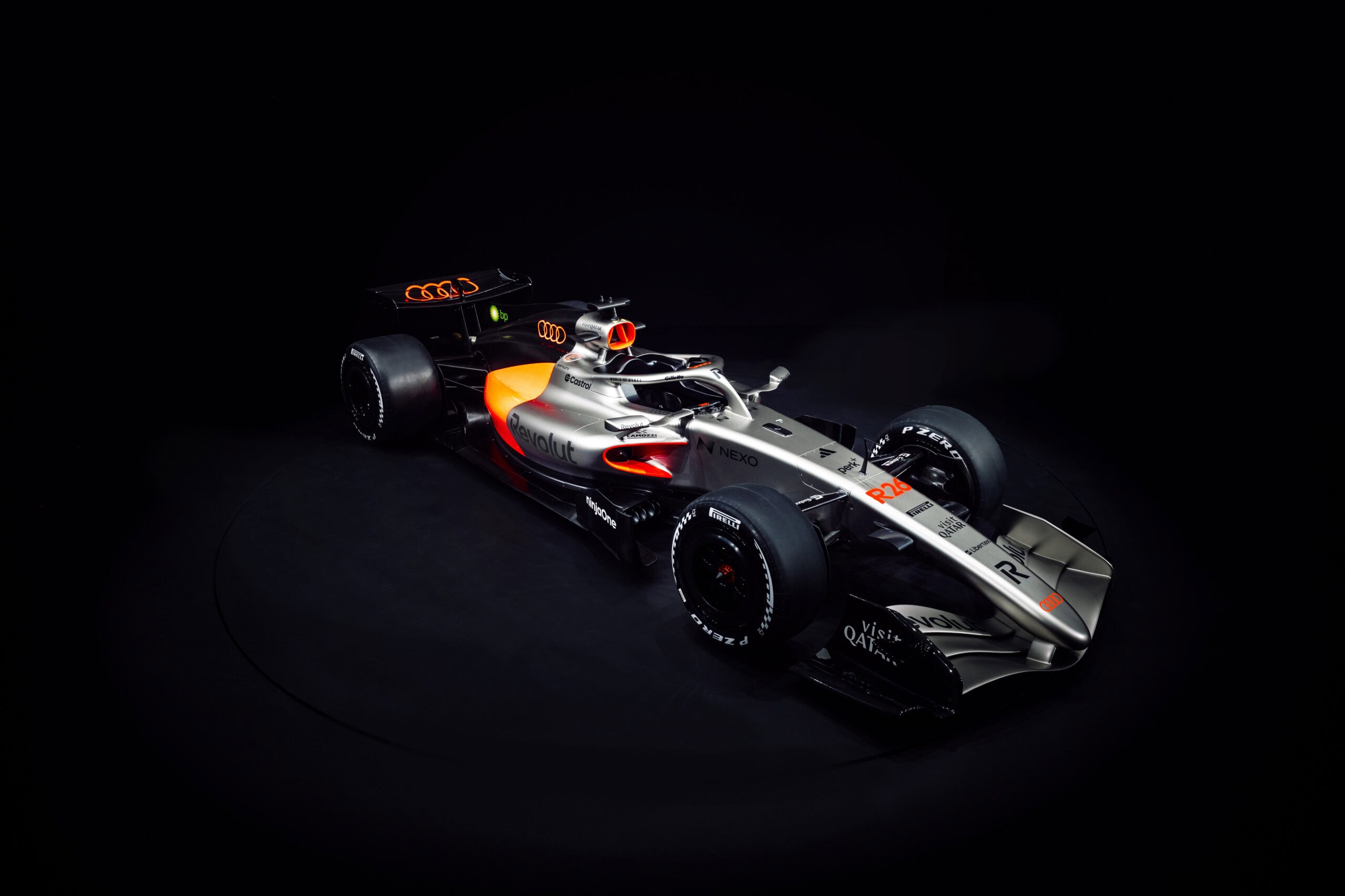
Audi has had a long and storied history of success in motorsports. It’s won 13 editions of the 24 Hours of Le Mans, titles in the FIA World Endurance Championship, championships in Formula E, the Dakar Rally, and other prestigious series and events. So while Audi’s stated goal of winning a Formula 1 constructor’s championship by 2030 seems audaciously ambitious from an outsider’s perspective, its accolades and achievements in motorsports mean its proclamation shouldn’t be too easily dismissed. Wheatley said that it takes time to build a culture, not necessarily from the ground up like Cadillac is attempting this year, but by improving a team that may have lacked the resources to reach its full potential.
“This was a team that’s largely underfunded, certainly under-capitalized,” Wheatley continued. “For a long time, people had to be creative, but there wasn’t the wherewithal and the money to be able to do the job that they needed to do. And in some places, the culture was not the most open and forthcoming culture. So part of this journey that we’re on is to change that, to create the Audi F1 Team with our own culture and to drive the business forward based on that.”
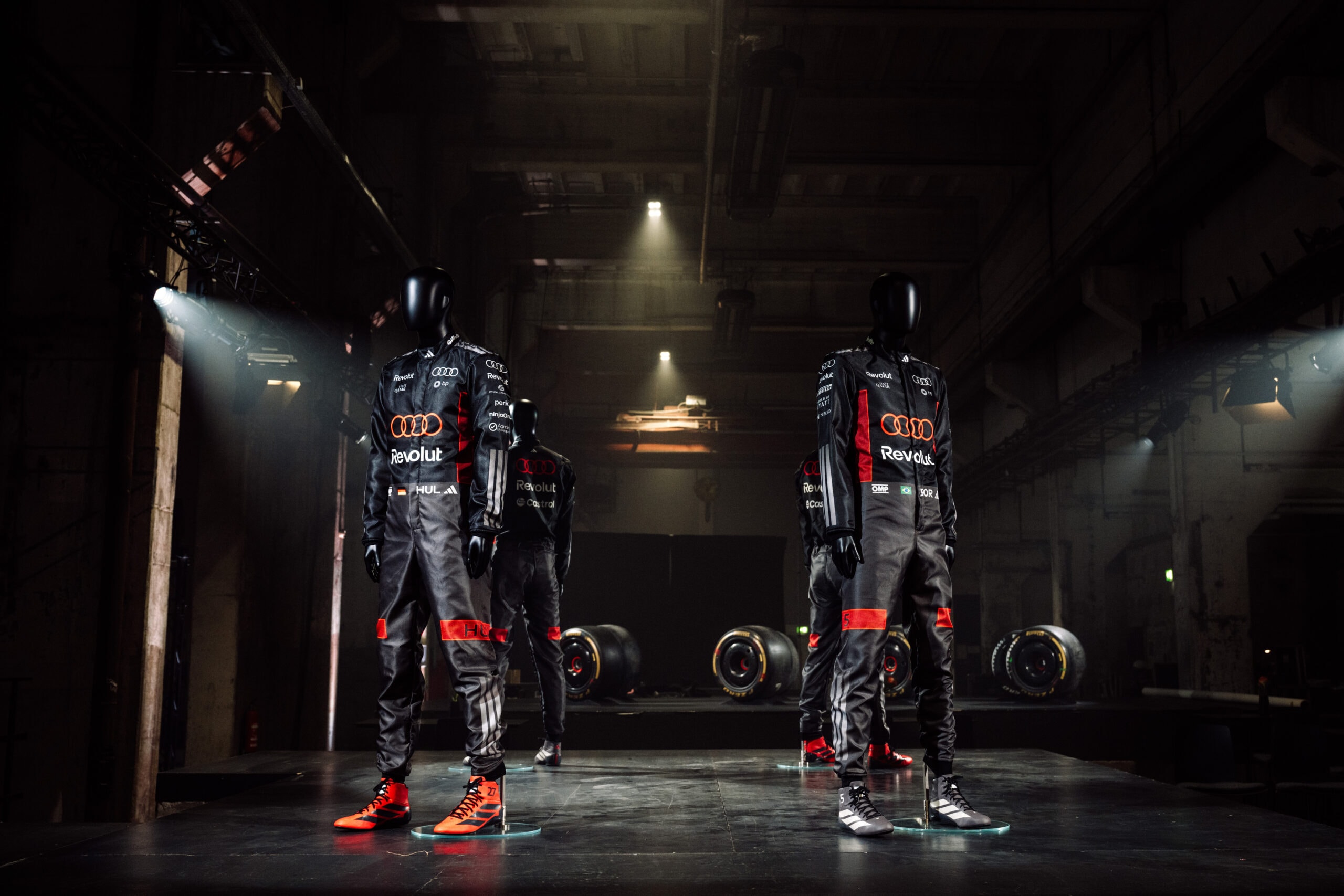
Wheatley said he’s humbled by and realistic about the uphill battle he and Audi face ahead. Racing ahead of established powers like McLaren, Mercedes, Red Bull, and Ferrari won’t happen overnight. The team’s plan is to first be a challenger, then a competitor, and then a champion. And there’s enthusiasm across the team, whether it’s at their offices in Germany, England, or Switzerland to progress each year.
“It’s about progress,” Wheatley said when asked what a successful first season looks like for Audi on and off the track. “It’s about continuous improvement. Mattia said this earlier. We might say we want to win championships in 2030, but we want to win them before that. But you just have to be realistic about the journey that you’re on.”
It’s no coincidence that Audi’s debut season, of not just the overall takeover of the team but a new car and a new engine built completely in-house, comes when all 11 F1 teams will debut a completely new car design with new regulations, chassis, and a new power unit for the 2026 season. Audi has had to do a lot in a short winter, Wheatley said, but being able to build an engine from scratch should prove to be a difference maker over time.
“McLaren unfortunately proved us all wrong,” Wheatley said, “but my opinion has always been that when you see a works engine installation, when you see a car powertrain that has been designed to go together from the very beginning, it’s a very different looking car to one where you have a customer-engine relationship. And the biggest difference between R26 and last year’s car is it looks like it’s a Formula 1 car from front to back, that’s been designed with one purpose motor.”
While Wheatley said early testing results of the new car in Brazil beat other teams on the track, further testing on Monday in Barcelona revealed a couple of problems that limited the team’s track time. The current goal, per Wheatley, is to maximize testing before the first race on March 8 in Melbourne and a couple of more Grand Prix after that, to understand the car as best as possible and receive valuable feedback from Hülkenberg and Bortoleto to keep development on the right track. As the season begins and teams acclimate to a clean slate with the new car, it’s about learning and quickly recovering from mistakes when they occur.
But on a brisk Tuesday night in Berlin, the minutiae of preparing for the new season were cast aside in favor of celebrating bold and bright new beginnings, a sense of renewal and optimism for the Audi Revolut F1 Team Wheatley echoed in testing earlier this week.
“Just standing here, this whole new garage infrastructure, what this team’s achieved in such a short period of time, new pit wall, new pit equipment, new pit stop gantry. Everything screams Audi now,” Wheatley said. “And for us today to see the car on the track, in its livery in all its glory, it’s a pinch yourself moment.”
Read More:

From Hardwood to Sidewalk, the Shai 001 Lux: Truffle Is Made to Wear Everywhere

The Gold Plan Is the NBA’s Best Fix for Tanking

Glossy, Gothic, and Hollow: We Didn’t Need Emerald Fennell’s ‘Wuthering Heights’ Adaptation

Tony Clark’s Exit Comes at the Worst Time for Baseball

The Business of LaRussell: How Independence Became the Advantage