

NBA tanking has reached a breaking point, but a modified “Gold Plan” draft format could reward late-season wins, restore competitive integrity, and make every game in March and April matter again.
The first question at NBA Commissioner Adam Silver‘s annual All-Star Weekend press conference on Saturday was about the league’s most pressing issue: tanking.
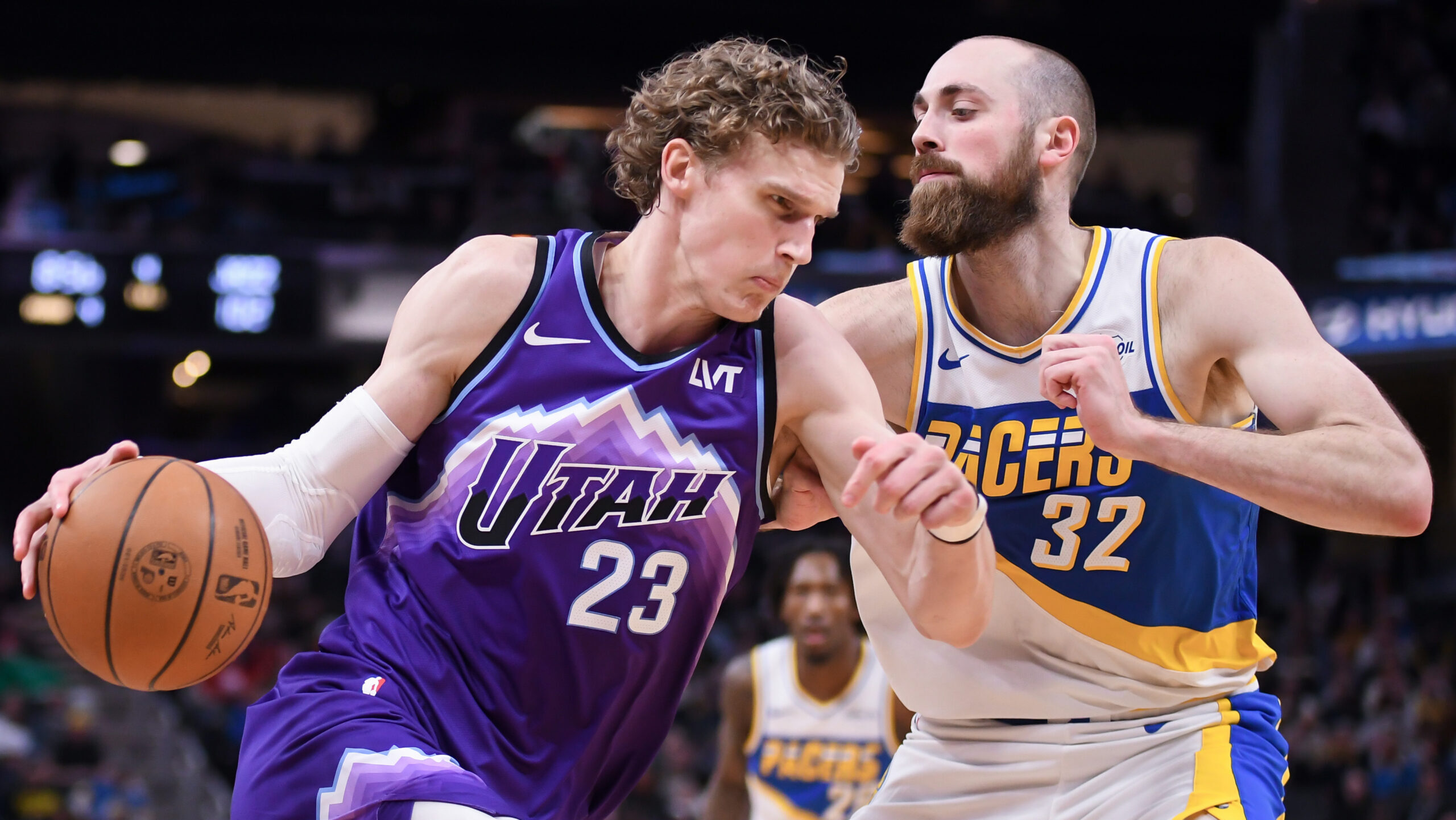
Just two days earlier, the league fined the Utah Jazz $500,000 and the Indiana Pacers $100,000 for “conduct detrimental to the league,” due to roster management designed to lose games to improve their chances to land the top pick in a 2026 draft that’s expected to be one of the most talented in recent memory. While teams have historically tried losing games in March and April, Utah was cited for games on Feb. 7 and 9, where it benched top stars Lauri Markkanen and Jaren Jackson Jr. for the fourth quarter in winnable games after playing in the first three. (Earlier Thursday, the Jazz announced that Jackson would undergo season-ending knee surgery.)
“Overt behavior like this that prioritizes draft position over winning undermines the foundation of NBA competition and we will respond accordingly to any further actions that compromise the integrity of our games,” Silver said in Thursday’s press release. Silver doubled down Saturday, saying that we’re seeing worse tanking behavior that we’ve seen in recent memory and “what we’re doing, what we’re seeing right now is not working; there’s no question about it.”
Luckily for the NBA, my solution for tanking is already successfully implemented in other sports leagues and would promote and incentivize winning and competitive basketball for the league’s worst teams during the regular season’s waning months.
At the 2012 MIT Sloan Sports & Analytics Conference, University of Missouri PhD student Adam Gold presented an anti-tanking plan for hockey. He proposed that once NHL teams were eliminated from playoff contention, every win and overtime loss would count as draft ranking points, with the draft order determined by the most successful bad team toward the end of the season rather than by the bad team that tanks to finish with the worst record. The PWHL adopted the “Gold Plan” in 2024, and the NBA can and should implement a modified model to prevent teams from intentionally losing games in February, March, and April.
Once an NBA team reaches 40 regular-season losses, it can start accumulating wins toward its draft position, which is determined by the teams that win the most games after it’s essentially eliminated from playoff contention. At the All-Star break, Sacramento and Indiana are already past 40 losses, while Utah, Washington, and Brooklyn are at 38-39 defeats. This plan ensures that the worst teams will actually want to win games at the end of the season, making the final contests of the year impactful and meaningful for all 30 teams.
Would teams try to tank at the beginning of the season rather than reach 40 losses more quickly? Potentially, but intentionally losing games at the beginning of each season is harder to accomplish for both teams and players, and the NBA’s antennae would be on high alert to punish teams over the first half of the season that try to manipulate rosters the way Utah did earlier this month.
Players don’t want to tank because their play impacts their stats, which impact their future contracts, and players are competitors who want to win and want to be viewed as winners. Unless they have rock-solid job security, coaches don’t particularly like tanking either.
“I don’t think it would work with me. I don’t think it’s right,” Hall of Fame former head coach George Karl told Boardroom last week at the premiere for Prime Video’s ABA docuseries Soul Power. “There’s a problem that I think the commissioner has got to address.”
There’s no foolproof way to completely eliminate tanking. Whether you eliminate certain draft pick protections in trades, take away draft lottery ping-pong balls, lock the lottery order at a certain date, or prevent teams from taking luxury tax payments, there isn’t a perfect plan out there that would eliminate tanking for good. But the Gold Plan would eliminate late-season tanking for good, with increased penalties and scrutiny for early-season offenders that would be too obvious to ignore.
All 30 teams would be motivated to win in March and April, giving every game meaning, purpose, and high stakes heading into the playoffs. And what a breath of fresh air that would be.
Read More:

Why Jeff Staple Is Bringing STAPLE to the Bundesliga

Rare Company: Savannah James & April McDaniel Are Forging Their Own Path Together

Never-Ending Game: Master P on ‘Da Last Don’, Signing Snoop Dogg, & Building No Limit

Common Turns His Chicago South Side Roots Into a Wine Brand

Tyrese Haliburton Gets Real About the Olympics, NBA Finals, His Achilles, & Proving People Wrong