

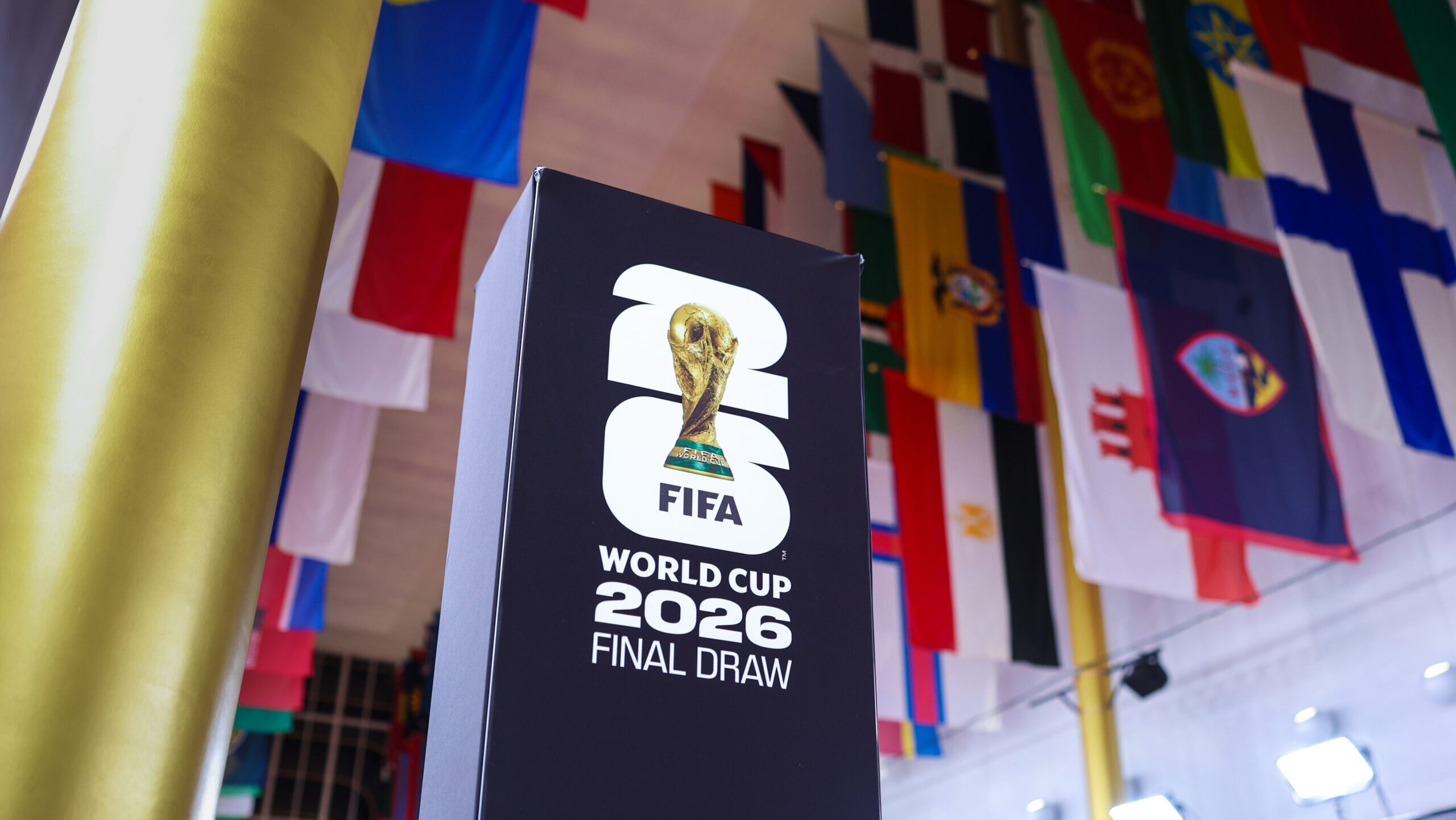
The 2026 World Cup draw fuels predictable hype, but modern football shows it matters less tactically and more psychologically ahead of the tournament.
The FIFA World Cup 2026 draw is complete and has officially kicked off the excitement for football fans across the globe, signaling the formal countdown to the world’s most-watched sporting event. With just six months remaining until the first whistle, we finally know the matchups that will shape the group stage, giving fans their first glimpse of potential rivalries, thrilling showdowns, and unforgettable clashes.
Immediately following every draw, it triggers the same predictable media cycle: instant verdicts, incessant hype, flashy graphics showing who has the easiest path, and an obsession with identifying the obligatory “Group of Death.” It’s a ritual now, meant to ignite fierce debates that won’t be settled until these teams meet on the pitch. Yet, beneath the noise lies a paradox worth acknowledging. The draw matters less than ever in modern international football, but the psychological consequences of how we talk about it linger and affect everything from odds to storytelling.
This is the contradiction that defines draw day in contemporary sports. The fixtures themselves are no longer the decisive factor they once were. Thanks to advances in scouting, analytics, fitness management, and the diversity of talent, the playing field has been leveled in ways unthinkable even during the David Beckham and Thierry Henry era. In this case, the narratives we ultimately attach to those matches still months away nevertheless shape expectations, pressure, and ultimately performance in the lead-up to the tournament.
So, has the World Cup draw never been more tactically irrelevant, or is it more psychologically influential?
The Myth of the “Easy Group”
Every World Cup produces at least one nation supposedly blessed by the footballing gods with a forgiving group. The U.S., trusted by Mauricio Pochettino to lead them to a title on home soil, arguably has an easy group, all things considered. They open the competition against Paraguay at SoFi Stadium before heading up north to face Australia at Lumen Field in Seattle, before traveling back to Los Angeles to play the winner of UEFA Playoff C (Turkey, Romania, Slovakia, or Kosovo). At first glance, it’s really theirs to lose. But history tells us this label is often a curse disguised as comfort.
Calling a group “easy” based on country alone creates a toxic cocktail of complacency and pressure. Players hear the commentary, coaches pay attention to the analysis, and fans shift from anticipation to entitlement. And suddenly every misplaced pass, every scoreless half, every muffed set piece becomes an unsolvable mini-crisis.
It is no coincidence that some of the most dramatic early exits in recent tournaments have come from teams widely expected to coast through their groups. When the assumption is that qualification is guaranteed, the margins of error collapse. The idea that a knockout-stage advancement is deserved produces lackluster performance in real time. So how does that affect opponents? They become more energized, more assertive, and more threatening. Big nations, burdened by their own hype, struggle to increase the intensity required for knockout football. This is not to say this is the eventual fate of the U.S.
But for Alexi Lalas, upon learning of its opposition, to declare, “This is not just a good group, this is a great group, and this is a group that you should expect this United States team, under Mauricio Pochettino, to win and go through,” is a bit of a stretch.
Modern Football Has Outgrown Draw-Day Panic
Because modern international football has eliminated most of the structural advantages teams once gained from a “good” group, the unspoken truth is that the World Cup draw is losing its competitive significance. For one, scouting has neutralized the thrill of surprises. Teams of today know everything about everyone, from pressing techniques, set-piece formations, rotating lineups, and build-up patterns. That eliminates the need for coaches to scramble and prepare for unusual styles. Thanks to the introduction of modern technology, data and video are readily available at a level that even we as consumers can gain access.
Secondly, fitness and form are more important than fixtures. A simple glimpse at the lineup of the world’s top-ranked teams shows a number of players who are arguably the best at their respective organizations. But there remains another half of club football left to play before the summer, and a nation’s hopes often hinge on whether a single midfielder or centre-back is fully fit when the season ends. No draw can compensate for a star player arriving exhausted from the club season or a coach scrambling with late injuries.
Finally, the middle tier of global football has surged, and the gap between “big nations” and “the rest” has narrowed dramatically. Tactical organization and physical preparation are nearly universal, even if A-list talent is commanding viewership each weekend for their club. Even the most conservative teams can defend with sophistication, break with precision, and suffocate space on the way to a goal. Should they capitalize against a stronger team by association but weaker by fitness, it’s lights out for the opposition.
Where the Draw Does Still Matter: The Mind
Even as the practical impact of the draw fades, its psychological footprint remains firm. This is because football’s competitive edges now lie in intangibles: confidence, preparedness, healthy expectations, and narrative control. The most clever managers understand that draw day is more of a mental battleground than anything else. Upon the reading of the federations, the broadcast cut to its respective leaders wearing the most stoic expressions. They downplay what’s ahead, pretending their group is tougher than it is to eschew the idea they’ve escaped real trial.
Players, too, are influenced by the public reaction. Now with a computer essentially in most of our pockets, social media furthermore amplifies every opinion. A nation that mocks its draw invites arrogance, yet a nation that panics at its group risks internalizing unnecessary anxiety. Neither has anything to do with the opponents’ actual strengths.
One of the great illusions of modern tournament football is that advancement hinges on what the draw produces. In reality, it’s likely contingent on how teams emotionally respond to what the draw produces. Either way, as consumers, it’s not worth revisiting these matchups until 184 days from now, when Mexico kicks off against South Africa from Estadio Azteca.
Read More:

Red Hook Tavern: Where Billy Durney Wants to Know Your Name

Keanu Reeves’ Next Act Is Built on Two Wheels

The Blueprint: Jessica Holtz Meets the Moment

The Power Broker: Emma Grede Is Just Getting Going

Quiet Power: Imani Ellis on CultureCon, Creators, and Learning to Let Go