As the Sundance Film Festival prepares to trade the historic streets of Park City for the fresh horizons of Boulder, Boardroom reflects on catching the final wave of a 47-year legacy and why the change might be exactly what the festival needs.
As a first-timer, I walked into this year’s Sundance Film Festival with a massive case of retrospective FOMO.
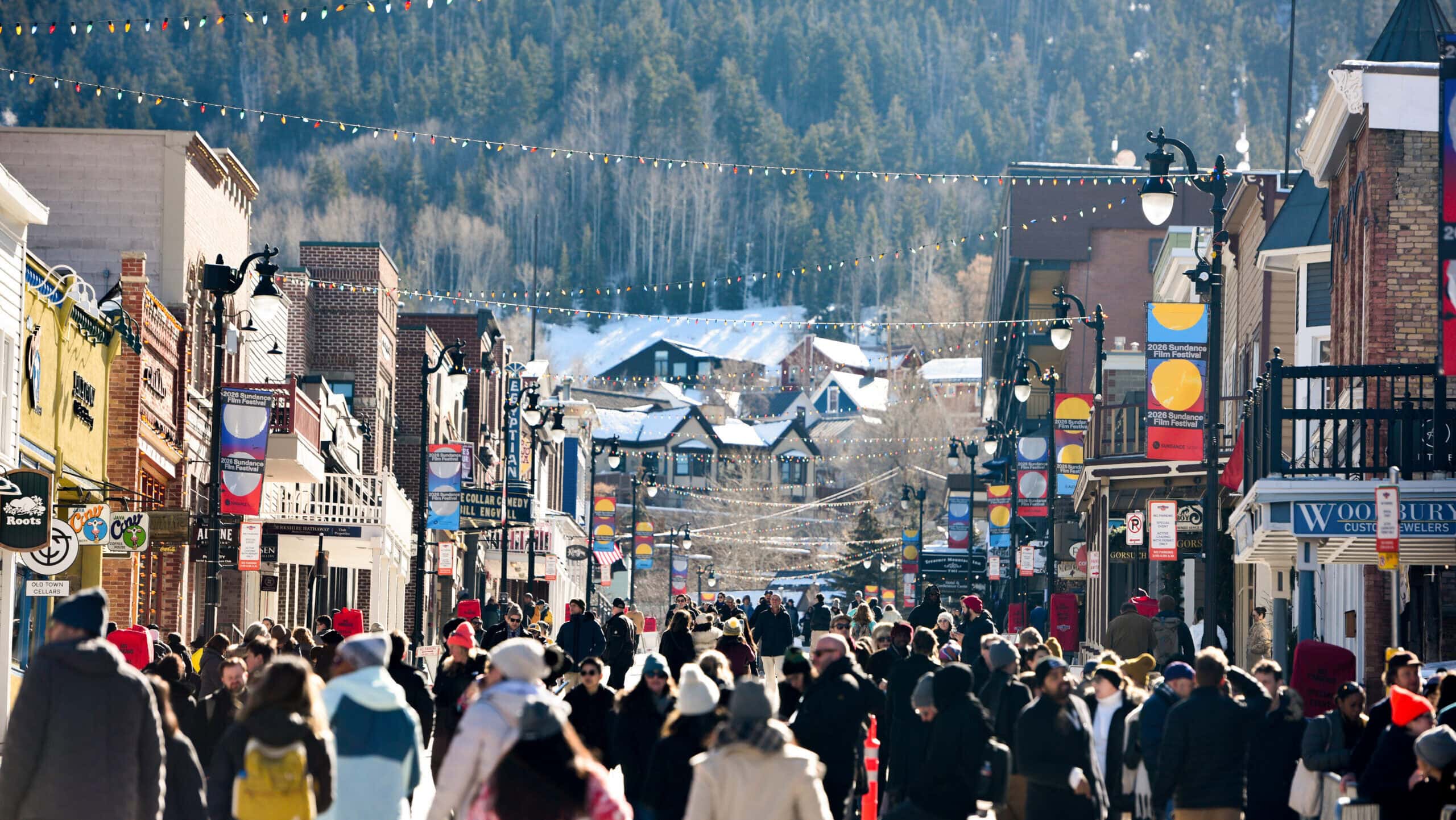
As I stood on Main Street this past week, gasping for air not just from the elevation but from the sheer kinetic energy of the place, I realized I was witnessing the end of an era. The 2026 Sundance Film Festival isn’t just another year of indie darlings and faux fur fashion; it’s the final bow for Park City. After nearly five decades of mountain magic, the festival is packing its bags for Boulder, Colorado, in 2027.
Why did I wait so long? I feel incredibly lucky to have caught the Park City iteration before the moving vans arrive. There is a specific, jagged charm to this place. The strategic perfection of how the activations are stacked along Main Street, the way the glitz of a Hollywood premiere rubs shoulders with the quirky, DIY indie grit.
The rumors, it turns out, are entirely true. It’s a world of wait-and-see. I spent hours in lines, but instead of being a chore, those waits became the heart of the experience. You start a conversation with a stranger about your obsessive TV binges and end up three hours later sharing memories and professional dreams. That sense of camaraderie didn’t just exist in the screening lines; it was spilling out of every storefront and onto the snowy sidewalks. It was so surreal bumping elbows with folks who actually make the movies I devour.
The Good, The Bad, and The Industry First
Of course, it wasn’t all seamless. Being among the people who “get” you is exhilarating, but the logistical hurdles reminded me that Sundance is still a beast with many moving parts. My screening diary was a mixed bag. Gail Daughtry and the Celebrity Sex Pass had me belly-laughing until my ribs hurt, while Tuner left an emotional dent in me that I’m still processing. On the flip side, I could have definitely done without The Moment. But that’s the beauty of watching such a wide range of genres in just a few days. Not every film hits the same, and that’s kind of the point.
However, I never thought I’d have to manage the risk of whether or not I’d actually get into the theater for a screening I had a guaranteed ticket for. My most frustrating moment came while waiting for The Invite, the highly anticipated project written by Rashida Jones and Will McCormack and directed by and starring Olivia Wilde. Seth Rogen, Penélope Cruz, and Edward Norton also starred in the film. Officially, the 2026 Sundance Film Festival runs from Jan. 22 to Feb. 1 in Park City and Salt Lake City, with in-person screenings and a later online component available nationally. The festival offers packages where, for example, the press are allotted a set number of tickets (I had 10 at my disposal) that you can use as you see fit. I used one of my 10 allotted tickets, standing alongside dozens of fans who had traveled across the country.
Despite having tickets, many of us were turned away.
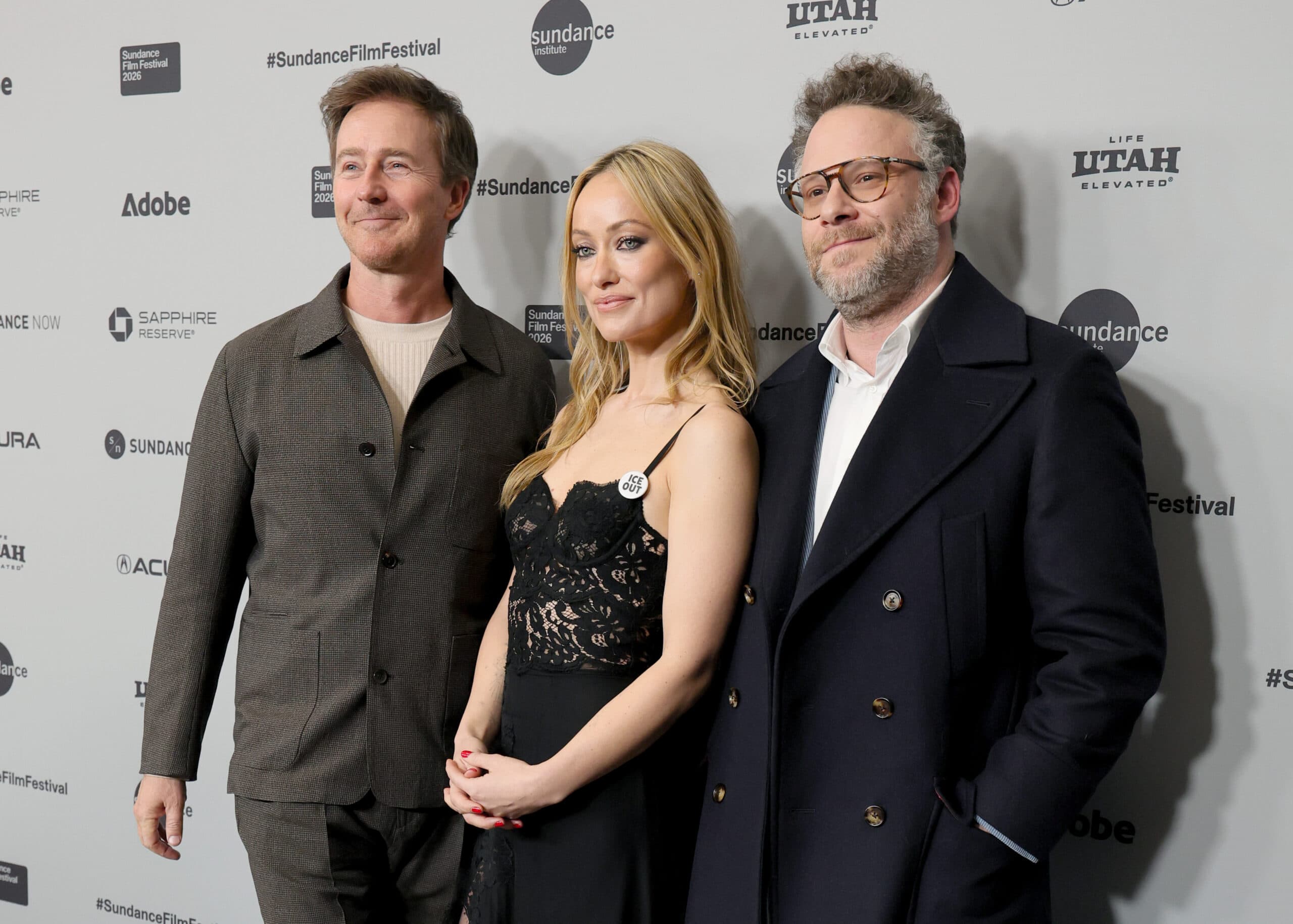
The theater reached capacity because a significant number of industry folks were ushered in before the general ticket-holders. While Sundance did offer vouchers to those of us left in the cold, a voucher doesn’t quite replace the experience of a world premiere you’ve planned your day around. It felt like a breach of good faith for the public, who might have waited months for this. It’s a known issue at Park City — space is at a premium, and the venues are historic but tiny. And it’s not like this was a one-off gripe; I heard similar stories throughout the week.
Now, I understand that Sundance is a marketplace; the industry needs to see the films to buy them and celebrate their work if they were part of their creation, and, in many ways, prioritizing them makes the business side of the festival work. But if there is one place on the planet that should level the playing field, it’s this one. Sundance isn’t supposed to be your typical, exclusive red-carpet premiere. It’s for the creators and the cinema-lovers. Not being in that room to hear the insights from Wilde and the cast during the Q&A may haunt me forever, even if I do watch the film eventually.
Despite the screening fiasco and being unable to see The Invite, it turned out to be the festival’s buzziest premiere, drawing standing ovations and a major distributor bidding war. A24 ultimately won the distribution rights in a deal valued at over $10 million.
A Tale of Two Cities
This logistical bottleneck is exactly why the sentiment on the ground is so split. Half the people I spoke with are heartbroken to see Park City’s long legacy end. They remember 1978 in Salt Lake City and the move to Park City in ’81. They feel the ghosts of the Sundance Institute taking over in the mid-80s in every creaky floorboard of the Egyptian Theatre.
The other half? They are ready for Boulder. They are ready for more theater options, better accessibility, and perhaps a layout that doesn’t feel like a beautiful, cinematic sardine can.
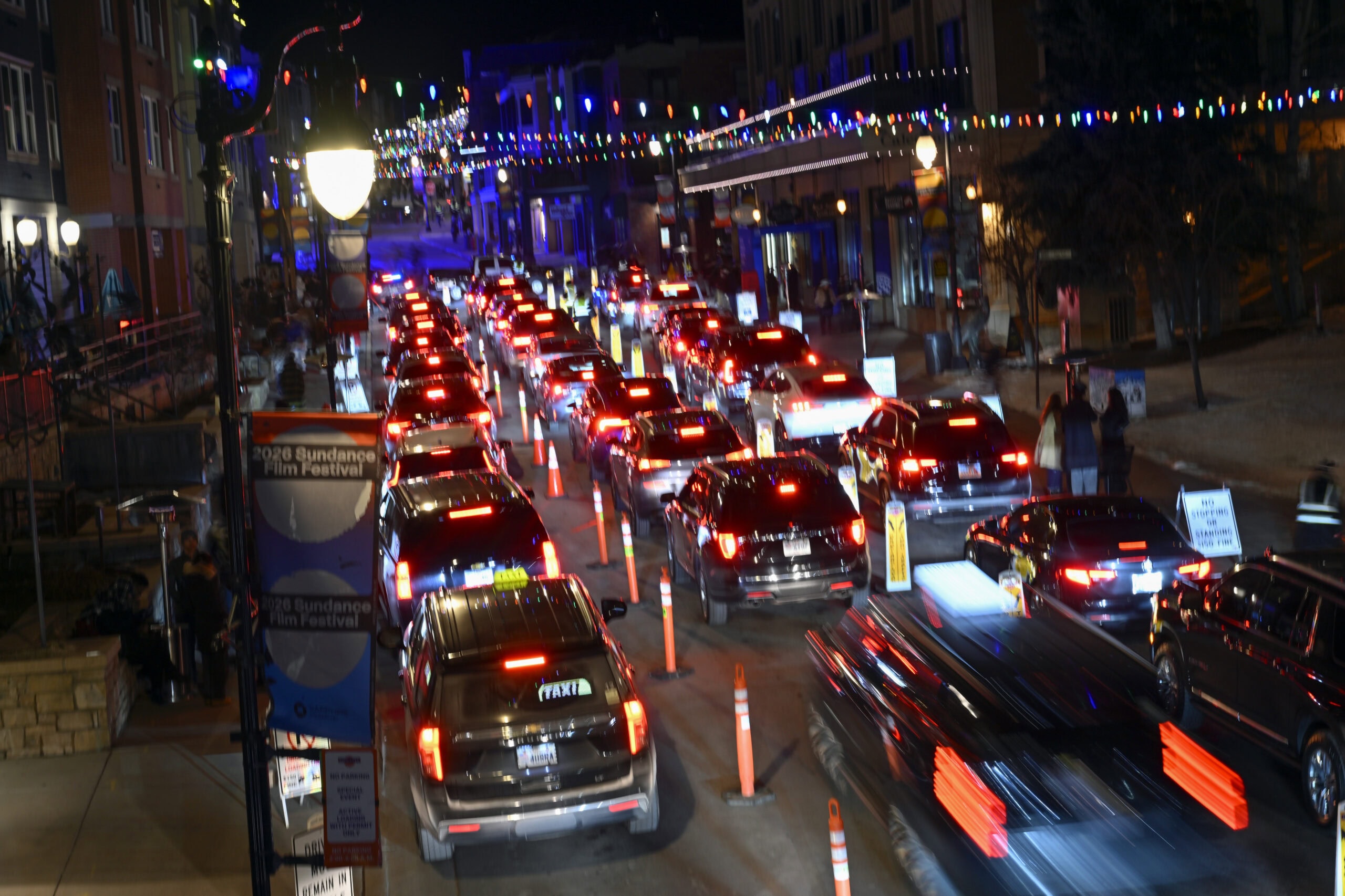
The decision to relocate to Boulder was officially announced by the Sundance Institute in March 2025, following a year-long search for a home that could better support the festival’s massive growth. Organizers cited the need for better infrastructure, more accessible theater options, and a “welcoming environment” that aligns with the festival’s evolving equity values. Essentially, Park City has become a victim of its own success — the exclusivity that comes from limited space has started to overshadow the films themselves.
There’s a bit of a misconception floating around, though. The festival is moving, but the Sundance Institute isn’t fully abandoning its roots. The year-round native Directors, Screenwriters, and Native Labs are slated to remain at the Sundance Mountain Resort in Utah. That means the broader ecosystem still has roots in Utah, and Boulder will be an extension, not a full uprooting. It’s an interesting choice to split the “learning” from the “showing,” especially since those labs are the pipeline that feeds the festival its best content. Whether that distance will change the vibe remains to be seen.
Looking Toward Boulder
Leaving Park City, I felt more in tune with my own creativity than I have in a very long time. Being surrounded by people who speak your language — filmmakers, writers, artists, lovers of cinema — is an intoxicating creative reset. There is something transformative about being in a space where art is the primary currency. Whether it’s seeing an established actor step behind the camera for the first time or discovering a director who filmed their entire movie on a shoestring budget, the inspiration is infectious.
I’m sad to see the Park City era end, but I’m genuinely excited for Boulder. If a change of scenery means more order, more space, and fewer ticket-holders left standing in the snow, then maybe it’s the evolution the festival needs to thrive for another 47 years.
Park City, it’s been real. Boulder, I’ll see you at the premiere.
Read More:
JuJu Watkins Showed Where the Game Is Headed at Chase Freedom’s Cashback Courts
What We’re Watching: ‘Task’, ‘The Traitors’, and ‘Tell Me Lies’

From Hardwood to Sidewalk, the Shai 001 Lux: Truffle Is Made to Wear Everywhere

The Gold Plan Is the NBA’s Best Fix for Tanking
Glossy, Gothic, and Hollow: We Didn’t Need Emerald Fennell’s ‘Wuthering Heights’ Adaptation