
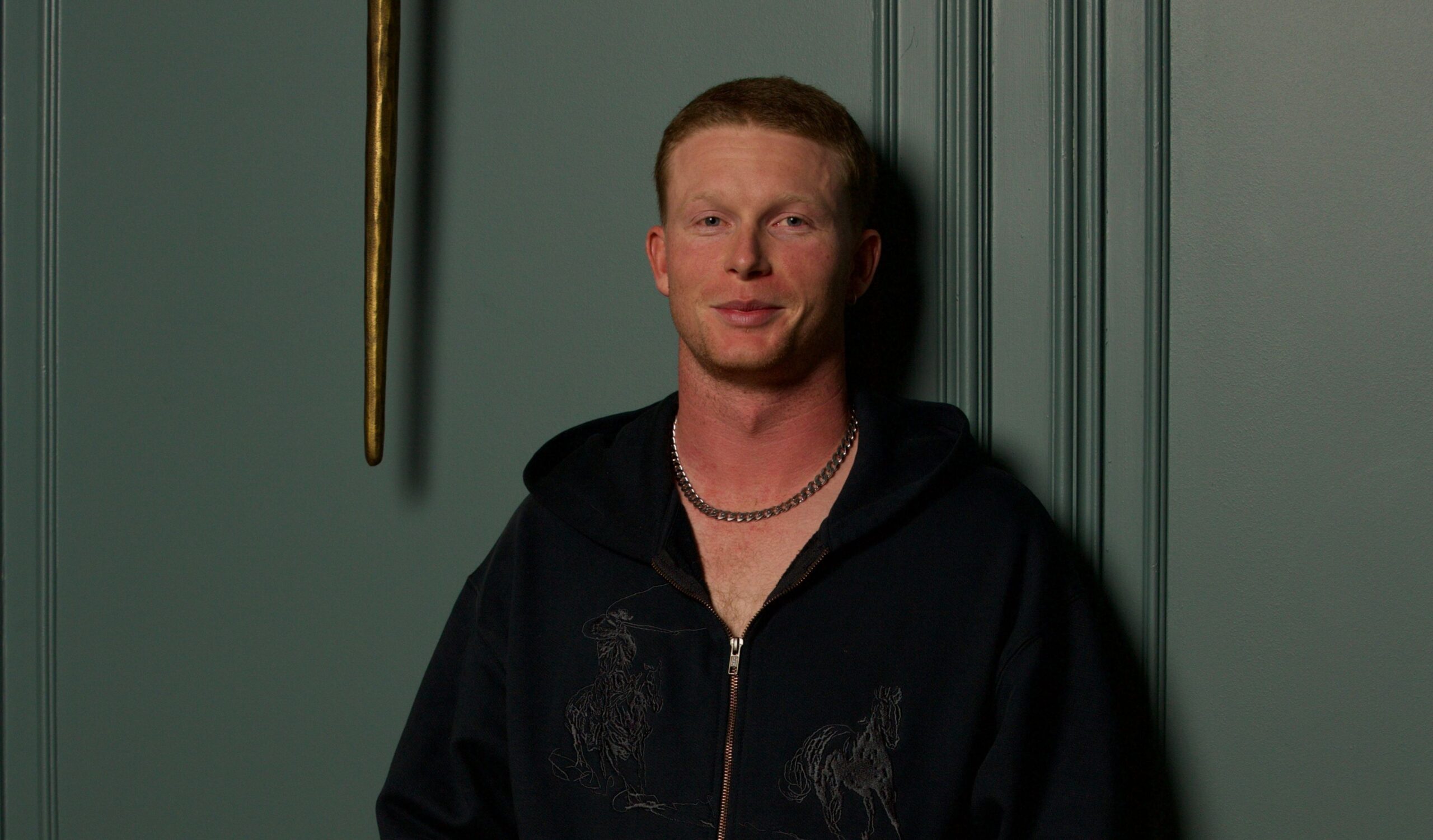
Inside PCA’s journey from Cubs prospect to All-Star, and how mindset, defense, and identity are shaping his next chapter.
At 23 years old, Pete Crow-Armstrong is still getting used to the reality of his life. Not the baseball — he’s been preparing for that since childhood — but everything that comes with it. The packed stands, the recognition across Chicago, the surreal moments sitting courtside or standing on the sideline at Bears games.
“It’s been something to get used to,” he said, sitting down across from AJ Andrews for the latest episode of Boardroom Talks. “I love sports. I’ve always loved going to games and getting to see it from a different angle now … I never dreamed of sitting courtside.”
Chicago, in turn, has embraced him just as quickly. For a player who didn’t have a smooth start, the city’s patience left a mark. “They know ball,” he says. “I didn’t have the easiest, best start to my career, but they never put me down. … They only were ever there to lend their support.” That relationship has become part of his identity.
It almost feels prewritten. A California kid raised on Cubs games because of his dad, Crow-Armstrong grew up idolizing players like Javier Báez. Then came the twist: drafted by the Mets in 2020, traded to Chicago in 2021 in a deal that included Báez himself. “It feels a little bit like divine timing,” he admits. “I felt like I had big shoes to fill … and now that we’re kind of on the up here, it feels like I’m starting to fill those shoes.”
By 2025, he wasn’t just filling them; he was carving out his own legacy. An All-Star season, a Gold Glove, a 30-30 campaign, and a top-10 MVP finish marked his arrival. But for Crow-Armstrong, the year wasn’t defined by accolades alone. “Last year was beautiful,” he says. “It was a whole crazy learning experience … a great first taste of real ball.”
That “learning experience” came most sharply in the second half, when success became harder to find. Instead of hiding from it, he now leans into the discomfort, dissecting what it reveals. “I learned that I don’t handle failure well enough yet,” he says. “But I still showed up … that’s what I’m most proud of.”
Baseball, as he sees it, is less about mechanics and more about mindset. The lesson wasn’t about fixing his swing; it was about resisting the urge to fix everything and letting the game come to him again. “Getting over the feel-good or the feel-bad was probably the hardest thing for me to do.”
That perspective is shaping his approach to 2026. Growth, for him, isn’t about obsessing over flaws; it’s about building from a foundation that already works. His speed, his defense, his energy — those aren’t just strengths, they’re anchors. The focus is on sharpening everything, without losing the identity that got him here in the first place. It’s a philosophy rooted in simplicity: get on base, impact the game, trust the work, and let the rest follow.
Nowhere is that identity clearer than in the field. Crow-Armstrong led MLB in five-star catches, but the metrics don’t interest him nearly as much as the moment. “A five-star catch for me would be … doing something like that in a big spot,” he says. “It’s about getting the crowd into it.” Defense, in his mind, is storytelling — small, often overlooked moments that quietly win games.

Off the field, his evolution is just beginning. For Crow-Armstrong, it’s less about stepping into traditional athlete branding and more about building something that feels personal, fluid, and real-time. “They see me for just a little more than a baseball player,” he says, a subtle but meaningful distinction for someone still early in both his career and his identity.
But there is a throughline. Fun, authenticity, and a willingness to embrace the moment, whether that means climbing a wall for a catch or changing his look on a whim.
“I’m going to go out and do my job,” he says. “And if I’m feeling like putting stars in my head one night, then maybe I will.”
Read More:
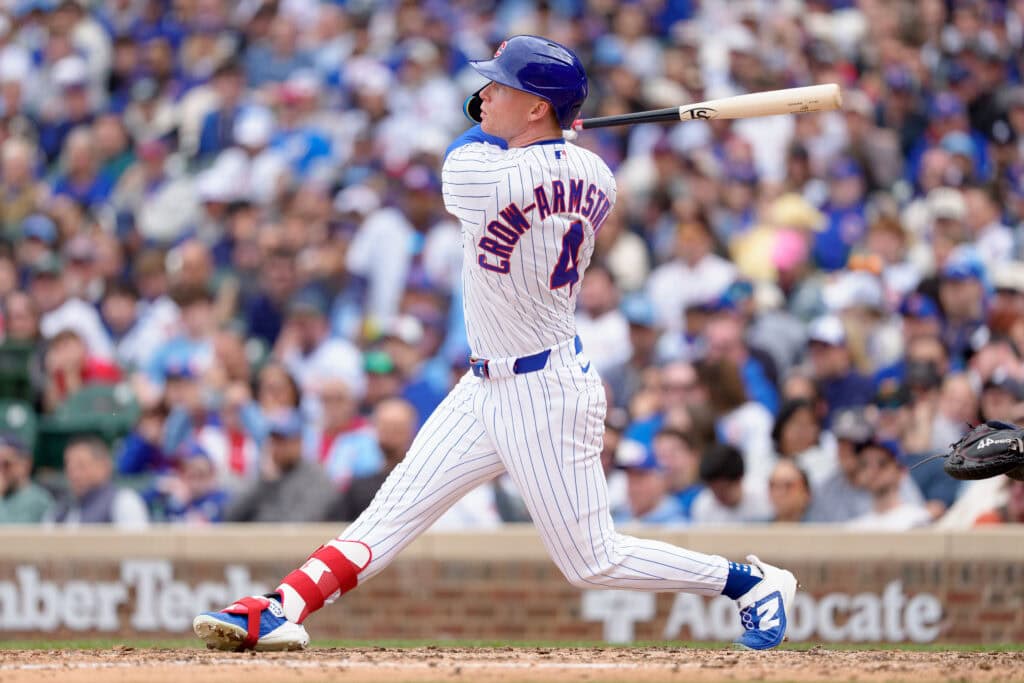
Pete Crow-Armstrong on His New Balance Deal, Building a Brand You Can’t Predict

Taylor Rooks: Sports Is the Last Monoculture

‘Euphoria’ Returns Unhinged, Unapologetic, and Unrepentant
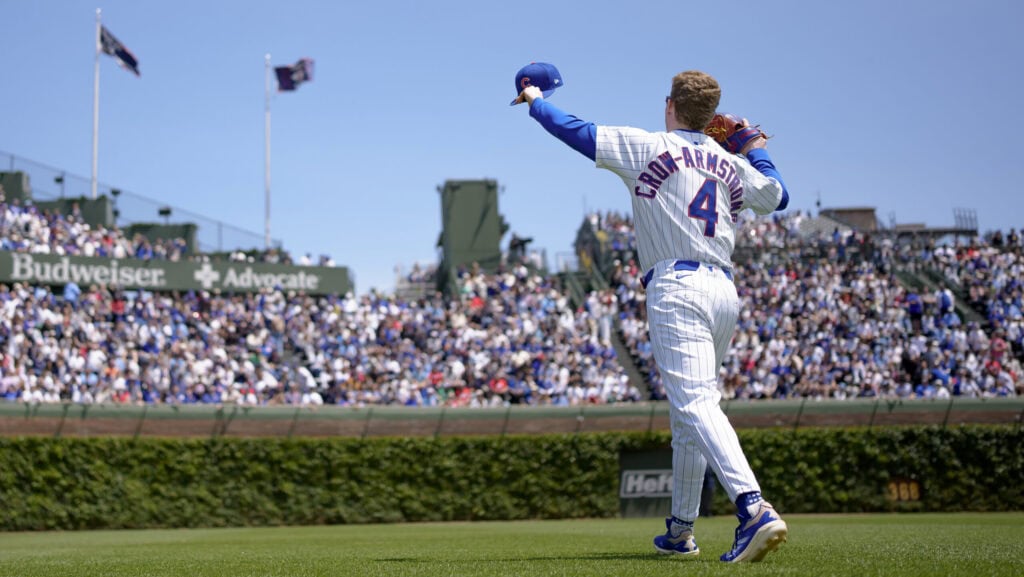
Pete Crow-Armstrong on Winning Over Chicago Cubs Fans: ‘They Know Ball’
How T.I. Engineered His Best Rollout in Years