NIL is transforming college sports, emphasizing athlete growth, financial literacy, and long-term brand partnerships beyond the field.
Name, image, and likeness — better known as NIL — is no longer a theoretical shift in college sports. It is an economic force reshaping recruiting, competition, and the business of athletics in real time, with consequences that will stretch far beyond this generation of athletes.
The groundwork was laid in September 2019, when California passed the Fair Pay to Play Act, the first state law allowing college athletes to profit from their NIL. That momentum accelerated in June 2021, when the Supreme Court ruled in favor of athlete compensation, prompting the NCAA to open the door for all student-athletes to monetize their personal brands without penalty.
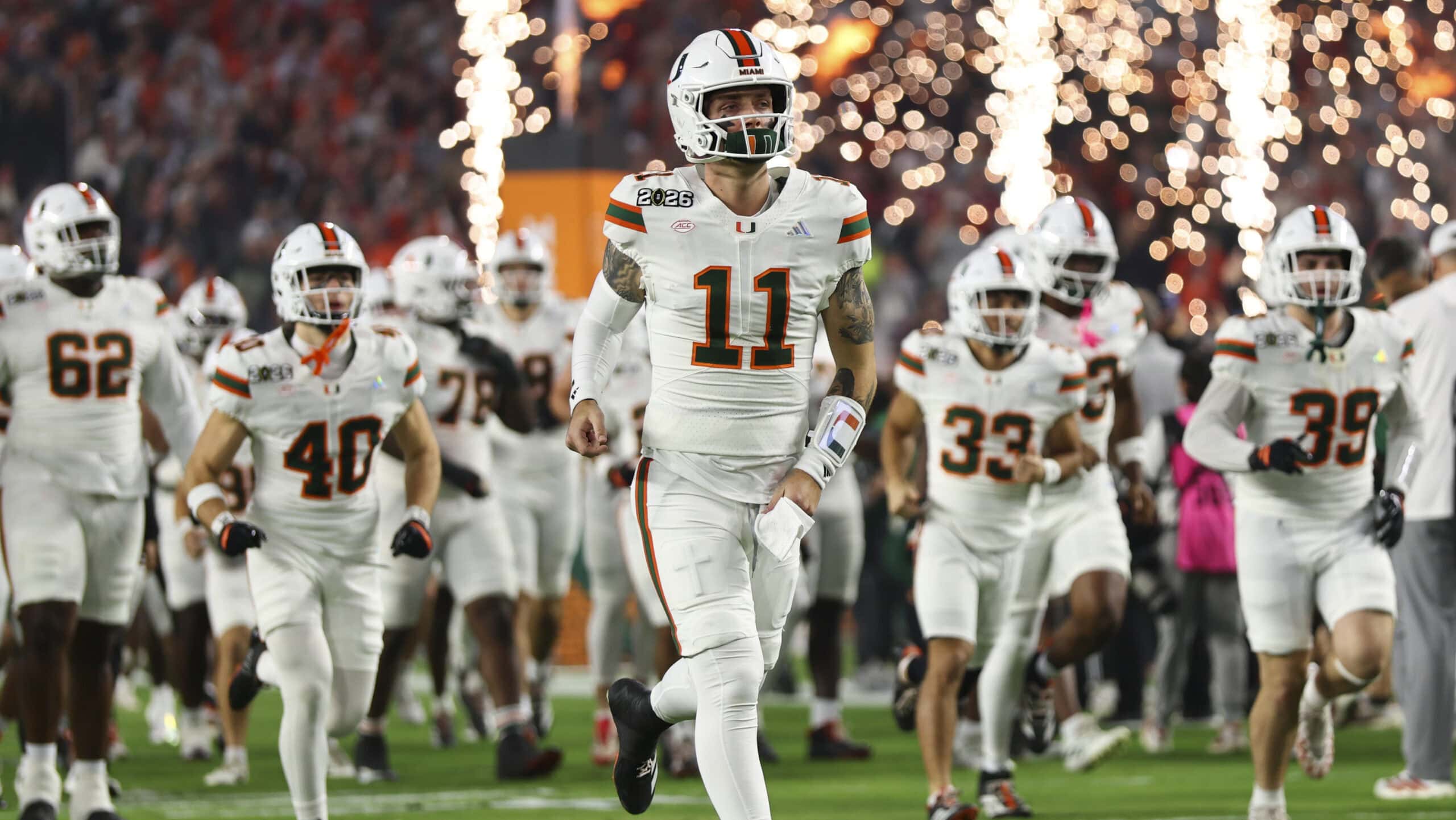
Four years later, NIL is impossible to ignore. For fans — casual and die-hard alike — it has become part of the fabric of college sports. Nowhere was that more evident than in Miami during the 2026 College Football Playoff national championship, where NIL’s influence was visible at every turn, beginning with the two teams on the field.
Data shows that the Miami Hurricanes‘ estimated roster cost was about $24.4 million, while the Indiana Hoosiers‘ was approximately $21.1 million. The third-party NIL amounts are always “reported,” but it is assumed it’s about $11 million per school.
Companies like AT&T are at the forefront of NIL. Besides being a major corporate partner and sponsor of the CFP, they have pushed NIL to be more than simply handing kids a check.
On-site, AT&T held Playoff Fan Central and “Connected Cams” during broadcasts, enhancing connectivity and fan engagement. Fans – especially young kids – were to see and meet their favorite players, wear a headset, and comment on iconic plays in an interactive broadcast booth. Some also competed in EA College Football 26 mini-games against stars like Trinidad Chambliss, Zachariah Branch, Vernell Brown III, and Quinn Ewers.
Sabina Ahmed, AT&T’s assistant vice president of sponsorships & experiential, describes the company’s approach to NIL as “holistic.” For her, it’s about seeing the athlete as more than just a player on the field. It’s about understanding who they are, what they do off the field, and how those qualities can grow into meaningful connections.
“You want to carry them through the journey,” Ahmed said, reflecting on AT&T’s longstanding relationship with the NCAA, long before NIL became a buzzword. The goal isn’t just a single sponsorship; it’s a partnership that develops over time. Cooper Flagg is a prime example. AT&T recognized his potential early, even before anyone could have predicted he would become the number one draft pick. “It’s about building that relationship and tapping into the right audiences,” Ahmed explained.
That philosophy has allowed AT&T to expand into new arenas, from the WNBA to eSports and gaming, as NIL opportunities grow more diverse. The company is constantly asking the same question: “Who is the next best athlete?” But Ahmed’s answer goes beyond stats and highlights. It’s about discovering what makes these athletes multidimensional — their passions, their platforms, and the unique ways they connect with fans.
From there, the focus shifts to setting athletes up for long-term success, and for everyone involved, financial literacy emerged as a non-negotiable. NIL opportunities may open doors, but knowing how to manage that money determines how far those doors stay open.
Branch is a clear example of that mindset in action. The Georgia wide receiver, who declared for the NFL after a standout season and became one of the first college athletes to sign with Jordan Brand in 2024, told Boardroom he has been intentional about not rushing to spend his NIL earnings. Guidance from his inner circle — friends, family, and brand partners like AT&T — has reinforced the importance of making smart, long-term financial decisions.
“We play hard, practice hard every single day, so I feel like that’s something that is deserved for a lot of college athletes,” Branch said, particularly for those who never reach the professional level. For him, NIL isn’t just about earning — it’s about learning how to sustain that success beyond the field.
How athletes like Branch choose their NIL deals is just as important as how companies choose the athletes they invest in. The right fit goes beyond visibility or star power; it’s about shared values and mutual growth.
AT&T’s “Clutch Calls” campaign, featuring Branch alongside Florida wide receiver Brown III, Ohio State’s Jeremiah Smith, and Michigan running back Justice Haynes, reflects that philosophy in practice. From commercials and sponsored content to in-person meet-and-greets, the campaign underscores that NIL is about more than a paycheck; it’s about building relationships that extend past a single season or moment.
And as NIL continues to evolve, one thing is clear: It’s not going anywhere. Regardless of the opinions surrounding it, the emphasis on education, authenticity, and long-term partnership signals that NIL is no longer a trend; it’s a permanent part of the athlete experience.
Read More:
From ‘NBA Today’ to the Australian Open, Malika Andrews Trusts the Power of Nerves
Trinity Rodman Didn’t Choose Comfort, She Chose Control

From Indie Darlings to ‘Saturday Night Live’: How Geese Became the Most Exciting Band On Earth
How Marvel’s ‘Blade’ Reboot Got Stuck in Development Hell
The Real Reason ‘Sinners’ Landing 16 Oscar Nominations Matters