

Jordan Brand is elevating women in sports and culture through creative control, representation, and long-term investment, spotlighting athletes and creators like Teyana Taylor and Napheesa Collier.
Last weekend at NBA All-Star Weekend, as the league celebrated its biggest names and brightest moments of the 2025 men’s season, another kind of spotlight was building around Jordan Brand‘s growing roster of women. The energy revolved around visibility, ownership, and creative control. That’s where Jordan Brand CMO Caitlin Sargent says the company is focused: elevating women who already know who they are and giving them the platform to lead.
Speaking to Boardroom about Teyana Taylor, who is preparing to launch her latest sneaker with them next month, Sargent was clear about why she fits this moment. “She’s a creative at heart. She has a vision.” That creative direction isn’t something Jordan hands to anyone; it’s something the talent drives and proves with past results. In Taylor’s case, from product design to campaign casting, she has been in control. The Oscar nominee’s style, Sargent explained, carries an edge. It’s tomboy chic, but intentional. Taylor’s never been one to follow trends. She’s setting her own pace. That independence mirrors Jordan’s broader identity: individual expression rooted in confidence.
Created to honor the legacy of one of the best to ever pick up a basketball, Jordan’s formal push into women’s occurred in 2018. Since then, growth has been steady. Sargent describes it as a long build rather than a sudden shift. At the same time, culture has changed. Women athletes are receiving more investment and more attention. The industry is responding to a broader demand for representation. After all, Friday marks the release of the Heir Series 2, Jordan’s take on a basketball sneaker made solely for women. The rollout is fronted by WNBA vet and Jordan Brand athlete Napheesa Collier.
“We are a reflection of the community we serve,” Sargent said. As women have moved to the forefront across sports and culture, the brand has moved with them. But Sargent also believes the relationship goes both ways. Jordan doesn’t just reflect culture; it can help shape where culture goes next. By backing women with resources, storytelling, and distribution, the brand can expand the definition of leadership.
Much of that work, she noted, happens outside the spotlight. Community activations, mentorship, grassroots investment, those aren’t the flashy stories that always make headlines. But they build credibility with those keeping a watchful eye on developments. “It’s the things that happen in the dark that matter the most,” Sargent said.
Letting Women Take the Wheel
From a marketing perspective, the mission hasn’t changed. Jordan still aims to “hero greatness” and help consumers worldwide believe in themselves and think outside the realms possibility. The language might evolve, but the core idea — making people feel like they can fly — remains constant. That idea applies to performance, style, and self-belief. That’s why its footwear continues to attract thousands of buyers, but also motivates designers to innovate.
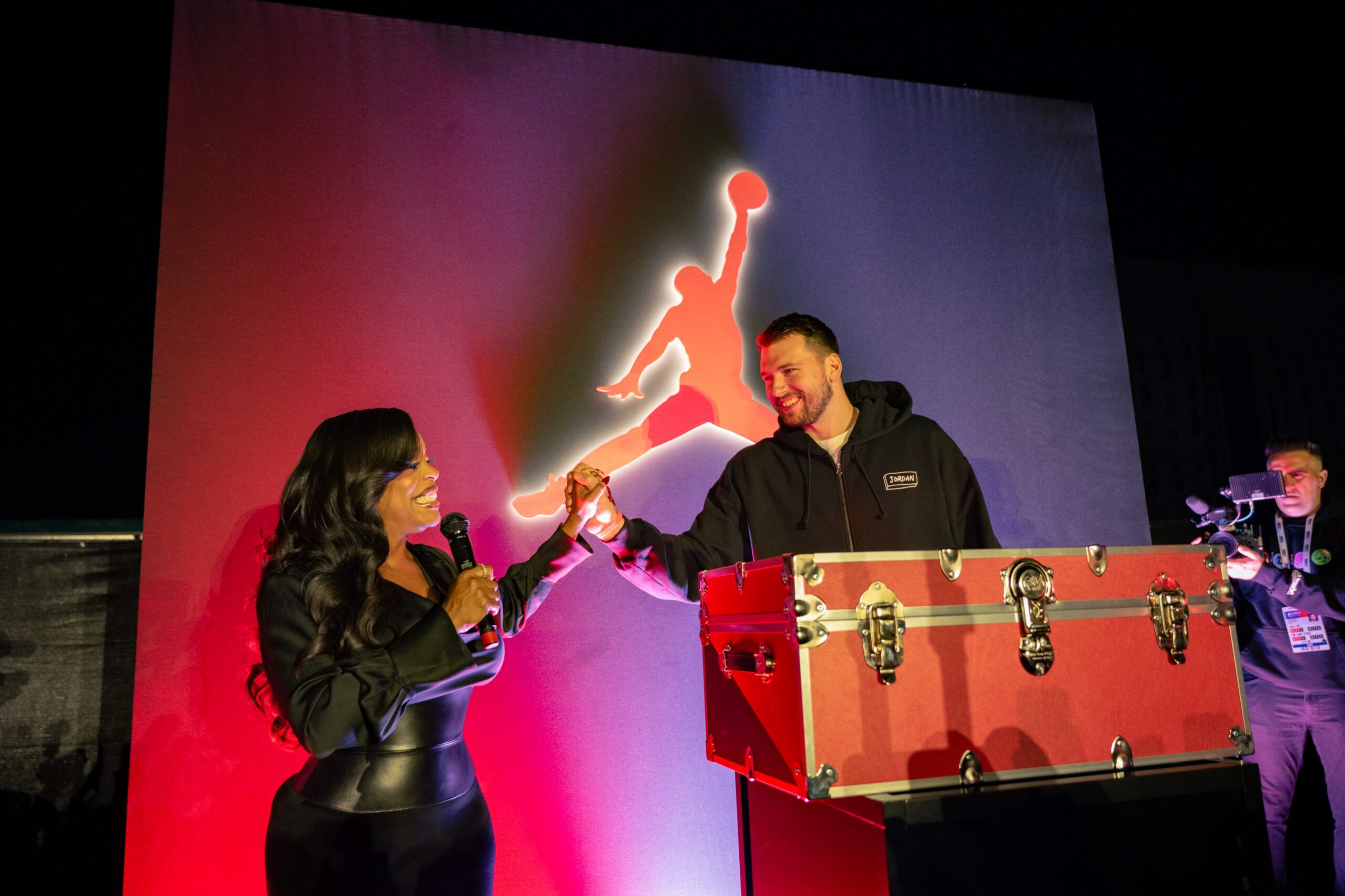
What has changed is how audiences engage. Gen Z and young women consume content differently than they did even a few years ago. Channels shift quickly. Sargent said much of the brand’s women-focused work now happens off traditional platforms, meeting audiences where they already are and pulling them into the Jordan ecosystem from there. Take, for example, last weekend in Los Angeles. On Friday night, where Lakers star Luka Dončić pulled up in a Bugatti surrounded by classic cars, attracted fans to its Jordan House setup. Minutes later, Niecy Nash arrived in the same vehicle she appeared in the viral reiteration of the 1991 “Genie” ad.
Once they arrive, representation matters. Consumers want to see themselves reflected back. They want women-led stories. They want inspiration that feels specific, not generic. According to Sargent, that means showing real journeys and real communities, not just polished campaigns.
At a weekend built on highlight reels and star power, Jordan’s strategy feels grounded in something more durable: creative control, community, and long-term investment in women who are defining greatness on their own terms.
Read More:

Livvy Dunne on NIL, Social Media, and Her Growing Business Empire

From Sora to Slop: The Long, Expensive Road to AI Movies

How MLB’s ABS System Is Changing the Game in 2026

Is Ye’s Music Still Good Enough to Outrun His Chaos?

YouTube Golf’s Biggest Stars Are Launching a $1 Million Tour of Their Own